The space under the stairs, often forgotten or underutilized, represents both a challenge and a golden opportunity in interior design. In homes where every square meter counts, this triangular corner should not be treated as a simple storage room, but as an architectural extension with the potential to become a central aesthetic element or a custom functional solution.
The key to optimizing this niche is a shift in mindset: from viewing it as a limitation (due to its irregular shape) to seeing it as a design niche that can house functions that do not fit elsewhere in the house. Smart design here can significantly increase the sense of order, the aesthetic value, and the practicality of your home.
Below, we explore the seven most effective design ideas to transform this dead space, ranging from integrated storage solutions that disappear into the wall to focal points that capture attention.
Functional Design Ideas: From Dead Space to Living Corner
The most effective use of the under-stair space depends on the adjacent room (living room, entryway, or hallway), but it always requires custom-designed furniture and solutions.
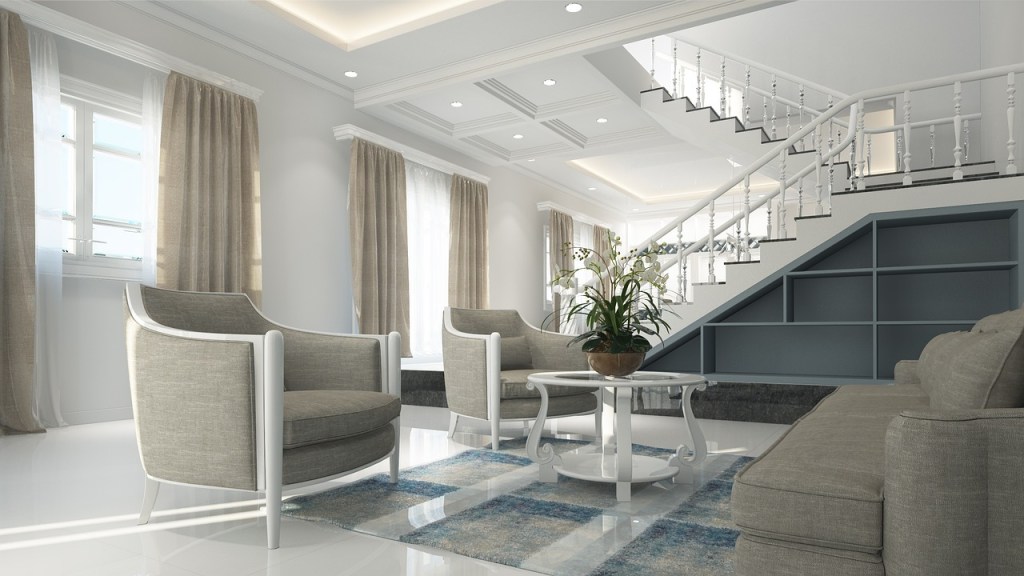
1. Integrated Bookshelf or Shelving (Cultural Focal Point)
A bookshelf that follows the angle of the staircase is not only practical but becomes a stunning focal point in the living room or hallway.
- Vertical Design: Opt for open shelving with shelves that conform to the incline, creating a dynamic and vertical visual effect. Use natural wood tones or white lacquer to seamlessly integrate them.
- Decorative Touch: Combine books with art objects, vases, or plants to avoid visual monotony. Integrated LED lighting in the shelves is crucial for highlighting the collection.
2. Integrated Closet and Storage (The Art of Concealment)
This is the most practical solution: creating closets and drawers that blend with the wall.
- Smooth, Minimalist Fronts: Choose handleless doors (push-to-open systems) and paint them the same color as the adjacent wall. The goal is for the closet to disappear and the wall to look continuous.
- Organization: Use pull-out or sliding drawers that maximize accessibility to the deepest area. They are ideal for storing coats, footwear, or sports gear.
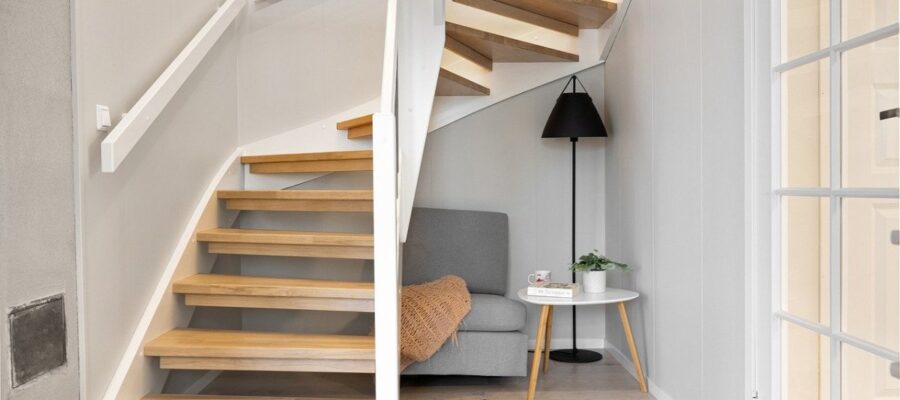
3. Reading Nook or Daybed (Relaxation Zone)
If the niche is deep enough, it can be converted into a resting area.
- Custom Bench: Build a fitted bench or a wooden daybed that follows the shape, and cover it with high-quality upholstery, mattresses, and cushions.
- Task Lighting: Install a wall sconce or a pendant lamp that descends gently to ensure sufficient light for reading.
4. Compact Office or Study (Vertical Functionality)
Perfect for working from home, as the user spends most of the time sitting, and headroom is not a limitation.
- Floating Desk: A simple desktop fixed to the wall (legless) maximizes legroom.
- Vertical Storage: Use the lowest area for installing mobile drawer units and the high area for floating shelves or cork boards. The key is to keep visible organization to a minimum.
5. Wine Cellar, Mini-bar, or Coffee Station (Hidden Luxury)
A solution that adds a sophisticated touch, especially if the staircase is near the dining room or living room.
- Climate-Controlled Wine Storage: If the space is narrow, you can integrate specific shelving for bottles, adding a small refrigerator or wine cooler.
- Display Effect: Warm ambient lighting (LED) and the use of elegant materials like glass and dark metal for the hardware create a focal point of luxury.
6. Art Gallery or Accent Wall (Pure Decoration)
If the space is too small or just a passageway, turn it into an exhibition.
- Picture Composition: Create a gallery with different-sized frames that follow the upward line of the staircase, guiding the eye.
- Impactful Cladding: Wallpaper the niche wall with a textured or striking colored wallpaper (geometric, botanical, or metallic finish). Alternatively, clad it with slatted wood panels to add warmth.
7. Indoor Garden or Natural Element (Wellness)
Introduce life and freshness indoors.
- Dry/Zen Garden: Use low-maintenance indoor plants (Sansevieria, Zamioculcas), combine them with white stones or pebbles, and add a spotlight to highlight the textures. This solution provides visual calm.
🏗️ Technical and Design Keys for Execution
Regardless of the intended use, there are design and technical principles that must be adhered to for the optimization to be successful and long-lasting.
1. The «Custom-Made» Factor (The Justified Investment)
The investment in custom carpentry (for closets, bookshelves, or benches) is essential. Prefabricated furniture will never conform to the triangular shape, leaving gaps and wasting space.
- Integrated Materials: Use the same materials or colors as the rest of the surrounding area. If you have light wooden flooring, use that same wood for the bench or the cabinet front. This creates harmony.
- Visual Unity: The key is to design the furniture so that it looks like it has always been there, as an inherent architectural feature of the house.
2. The Importance of Lighting (The Design Axis)
The space under the stairs is inherently dark. Lighting is vital for functionality and ambiance:
- Adjustable Spotlights: These allow you to direct light to work areas (desk) or decorative objects (art gallery/bookshelf).
- Integrated LED Strips: Used underneath suspended furniture or inside open shelves, they provide ambient light and define the shape of the niche.
- Integrated Switches: In closets and pantries, use automatic switches or opening sensors to turn on the light when the door is opened, combining design and functionality.
3. Colorimetry for the Small Space
Color must fight the feeling of being closed in:
- Light Colors on Walls: White or very soft gray should dominate if the goal is a reading nook or an office, as they maximize reflected light.
- The Power of Depth: If the niche is used for a wine cellar or an art gallery, the back wall can be painted with a deep color (midnight blue or pine green) to create a visual effect of greater depth and frame the function.
Maintenance and Care: Preserving the Focal Point
A space under the stairs requires specific maintenance, as it is often located in a high-traffic area (hallway or living room):
- Washable Surfaces: If opting for a storage unit, the doors should have lacquered or vinyl finishes (satin paint) to resist scuffs and allow for easy cleaning.
- Humidity Control: If an indoor garden is installed, it is crucial to ensure the waterproofing of the base and ventilation of the niche to prevent moisture from affecting the staircase structure.
- Constant Organization: If the solution is open (bookshelf, niches), clutter in a small space leads to visual chaos. It is essential to use decorative boxes, baskets, and organizational elements to maintain order.
The optimization of the space under the stairs is the perfect example of how a technical solution (custom-made furniture) becomes a design statement. By choosing the right function for your lifestyle and integrating it aesthetically with the rest of the house, you turn an architectural oversight into one of the most functional and visually impactful spaces in your home.

Latest Posts Published
✨ How to Decorate a Windowless Room: 15 Surefire Strategies for Creating a Bright and Cozy Oasis
How to Decorate a Narrow Hallway Without Overwhelming the Space: Complete Guide to Expanding and Modernizing It (2025)
How to Decorate a Small Bathroom with Functional Ideas: The Definitive Guide 2026
How to Organize Your Kitchen to Make It Look Neat and Modern (Step-by-Step Guide)
Wabi-Sabi Decor 2025: How to Create Imperfect Yet Elegant Spaces
How to Choose the Perfect Lighting for Every Room
DIY Decorating with Natural Wood: 15 Rustic and Modern Ideas
How to Combine Maximalism and Minimalism in Interior Design (2025 Trends)
Sustainable Vintage Decor: Guide to a Trendy Retro-Style Home