

The purchase of furniture is a long-term investment that defines the character and functionality of our home. However, we often face the dilemma of balancing the budget with the need for durability. Is it possible to acquire high-quality pieces without seriously compromising our finances?
Absolutely. The key lies in smart buying: a process that prioritizes planning, material research, and the skill to hunt for the best furniture deals.
In this comprehensive guide, we will break down the essential criteria for identifying furniture that will stand the test of time and show you how and when to find the most significant opportunities in the market. Get ready to transform your home with pieces that combine aesthetics, functionality, and an unbeatable price.
I. Strategic Planning: The Foundation of Smart Purchasing
Before setting foot in a store or clicking an online cart, the planning phase is crucial for avoiding impulsive purchases and costly mistakes.
1. The Budget: Define Clear Limits
The first step is to establish a realistic budget for each piece (sofa, bed, table, etc.). When doing this, divide your investment into three priority levels:
- Key Pieces (Maximum Investment): Furniture used daily that requires maximum durability (sofas, mattresses, kitchen cabinets).
- Secondary Pieces (Moderate Investment): Functional furniture that undergoes less wear and tear (shelves, side tables, dining chairs).
- Decorative Pieces (Minimum Investment): Accent or trendy objects (basic bedside tables, decorative elements).
A common mistake is investing too much in decorative pieces and
skimping on items for intensive use. Remember: quality in furniture is synonymous with longevity and comfort, especially for primary furnishings.
2. Measure, Measure, and Measure (Avoid Costly Errors!)
The main cause of returns and frustration when buying furniture is measurement errors. Take precise measurements of the space where the furniture will go, including:
- Length, width, and height of the total space.
- Passage spaces (doors, hallways, stairs) the furniture must fit through.
- Necessary opening distance for drawers and doors.
- Scale with other furniture: A large sofa in a small room can visually overwhelm the space, losing the sense of comfort.
💡 Useful Tip: Use painter’s tape on the floor to delimit t
he actual size of the piece of furniture you want to buy. This will give you a much clearer visual perspective of its impact on the space.
3. Functionality and Timeless Style
Ask yourself how you will use the furniture daily. A quality piece of furniture is not only strong but also ergonomic and functional.
- Multifunctional Furniture: Consider sofa beds, extendable tables, or storage ottomans. They are a higher initial investment but save you from buying two
- separate pieces in the long run.
- Style: Opt for classic or timeless designs for large pieces (sofas, cabinets). Fleeting trends are usually found in accessories, which are easier and cheaper to replace. A timeless design ensures your investment looks current for many years.

II. Keys to Identifying Quality in Furniture
Once you are clear about what you need, the next challenge is learning to distinguish a well-made piece of furniture from one of cheap manufacturing. Quality resides in the structure, materials, and finishes.
1. The Structure: The Skeleton of the Furniture
The structure is the foundation of durability. For large pieces of furniture like sofas, chairs, and shelving, check the following:
- Solid Wood vs. Engineered Wood: Solid wood (oak, cherry, walnut) offers maximum durability. If you opt for more economical alternatives, such as fiberboards (MDF or HDF), ensure the density is high and the boards have good thickness. Avoid low-density particleboard, which swells easily with moisture.
- Joints: Better quality furniture is assembled using joints like dowels, tongue-and-groove, or corner blocks that are screwed or held with wooden pins. Glue or staples are indications of lower-quality construction.
- The «Wobble Test»: Shake or push the piece of furniture slightly. If it wobbles, creaks, or seems unstable, the construction is poor.
2. Surface Materials and Finishes
The furniture’s appearance is also an indicator of its quality and resistance to daily use.
Wood and Lacquers:
- Quality wood should have a smooth and uniform finish.
- Verify that all surfaces are sealed or lacquered, including the interior and the back (this prevents moisture and deterioration).
- If it is natural wood, look for continuous grain and controlled knots.
Hardware and Moving Components:
- Drawers: They should have good quality metallic runners that allow for smooth, full gliding. Ideally, they should have stops to prevent them from falling out and a soft-close system.
- Doors and Hinges: Hinges must be robust, adjustable, and preferably have dampers for quiet closing.
3. Quality in Upholstered Furniture (Sofas and Armchairs)
The sofa is the piece of furniture that suffers the most daily wear and tear.
| Aspect to Evaluate | Quality Indicator | To Avoid |
| Structure | Solid wood or robust metal frame. | Frames made of soft pine or simple particleboard. |
| Filling | High-density polyurethane foam ($30 text{ kg/m}^3$ or more) for seats. Feather or siliconized hollow fiber for backrests. | Low-density foams that quickly lose their shape. |
| Upholstery | Fabrics with high abrasion resistance (over $25,000$ Martindale cycles). Genuine leather or high-performance synthetics (microfiber). | Low-density fabrics or those that quickly form pills (pilling). |
| Suspension | Pocket springs, high-resistance elastic webbing, or No-Sag systems (zigzag springs). | Elastic webbing that is widely spaced or has low tension. |
III. How to Find the Best Deals on Furniture
Buying intelligently doesn’t just mean choosing well; it also means knowing when and where to look for the most competitive prices. Furniture deals are not random; they follow a commercial calendar.
1. The Savings Calendar: The Best Time to Buy
The major discount peaks center around seasonal changes and key dates:
- January and Summer Sales (July/August): This is the time for seasonal stock clearance to make way for new collections. You can find very aggressive discounts here.
- Black Friday and Cyber Monday (November): This has become a crucial date for the furniture sector, offering significant discounts, especially for online purchases.
- Clearance and Display Furniture: Many stores liquidate the stock of their display models to refresh the showroom. These pieces are often in perfect condition and offer discounts that frequently exceed 40-50%. Always ask about these opportunities.
- Discontinued Collection Sales: Some design brands offer reduced prices on models that are going to be taken out of production.
2. Smart Online Searching
E-commerce has revolutionized the way to find affordable furniture without sacrificing quality.
- Price Comparison Tools: Use tools that compare prices for the same or similar models across different retailers.
- Subscribe to Newsletters: Stores often offer welcome coupons or early access to exclusive deals for their subscribers.
- Online Outlet Stores and Private Sales: Many high-end furniture brands have online outlet sections or participate in private sales portals where they offer discounts on previous collections.
3. The Second-Hand and Restoration Option
The second-hand market is a gold mine for finding unique pieces with a construction quality that often surpasses new furniture at similar price points.
- Online Platforms: Search on specialized portals. You can find real bargains if you are willing to clean up or restore minor details.
- Vintage Furniture: Many old pieces were built with high-quality solid wood. A quick sanding and a good varnish can bring them back to life.
Conclusion of the Guide
By combining thorough planning, critical material inspection, and strategic timing for your purchase, you can successfully acquire high-quality furniture that will last for decades without financially straining your budget. Smart buying is the key to a beautiful, functional, and durable home.
Latest Posts Published
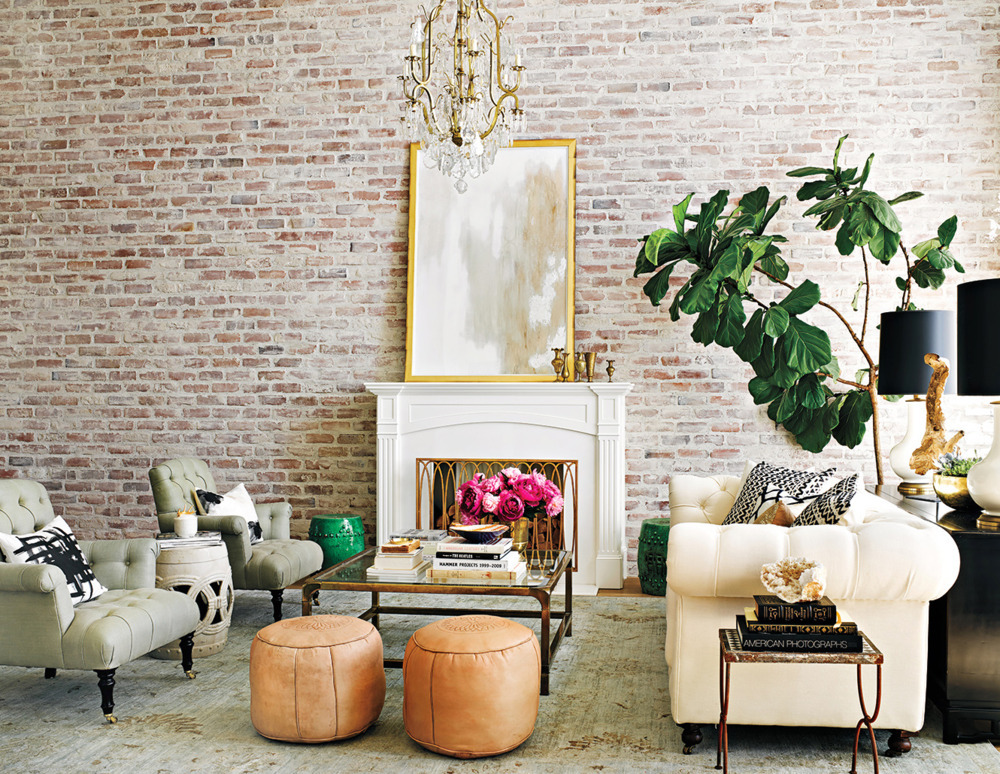
✨ How to Decorate a Windowless Room: 15 Surefire Strategies for Creating a Bright and Cozy Oasis

How to Decorate a Narrow Hallway Without Overwhelming the Space: Complete Guide to Expanding and Modernizing It (2025)
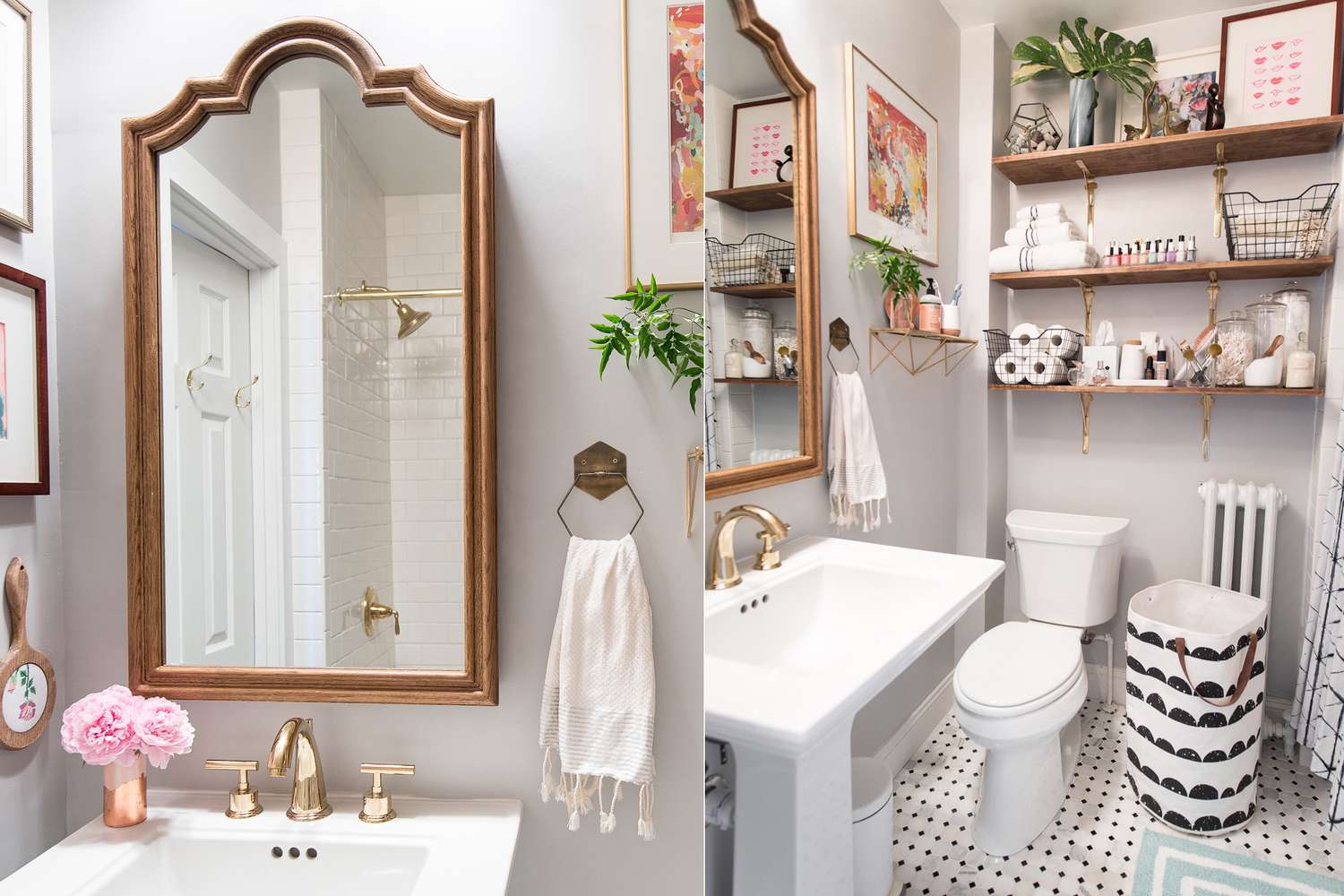
How to Decorate a Small Bathroom with Functional Ideas: The Definitive Guide 2026
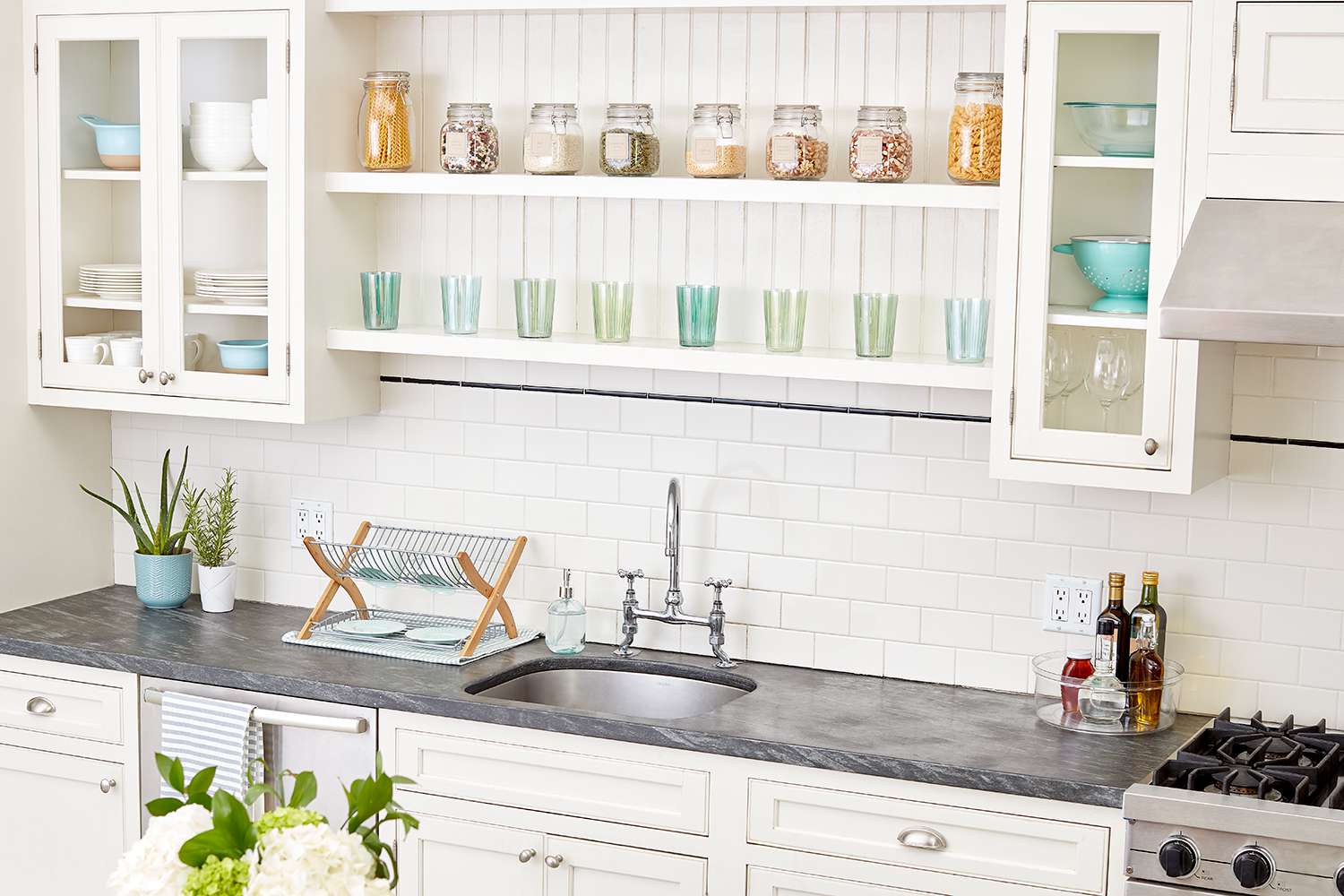
How to Organize Your Kitchen to Make It Look Neat and Modern (Step-by-Step Guide)
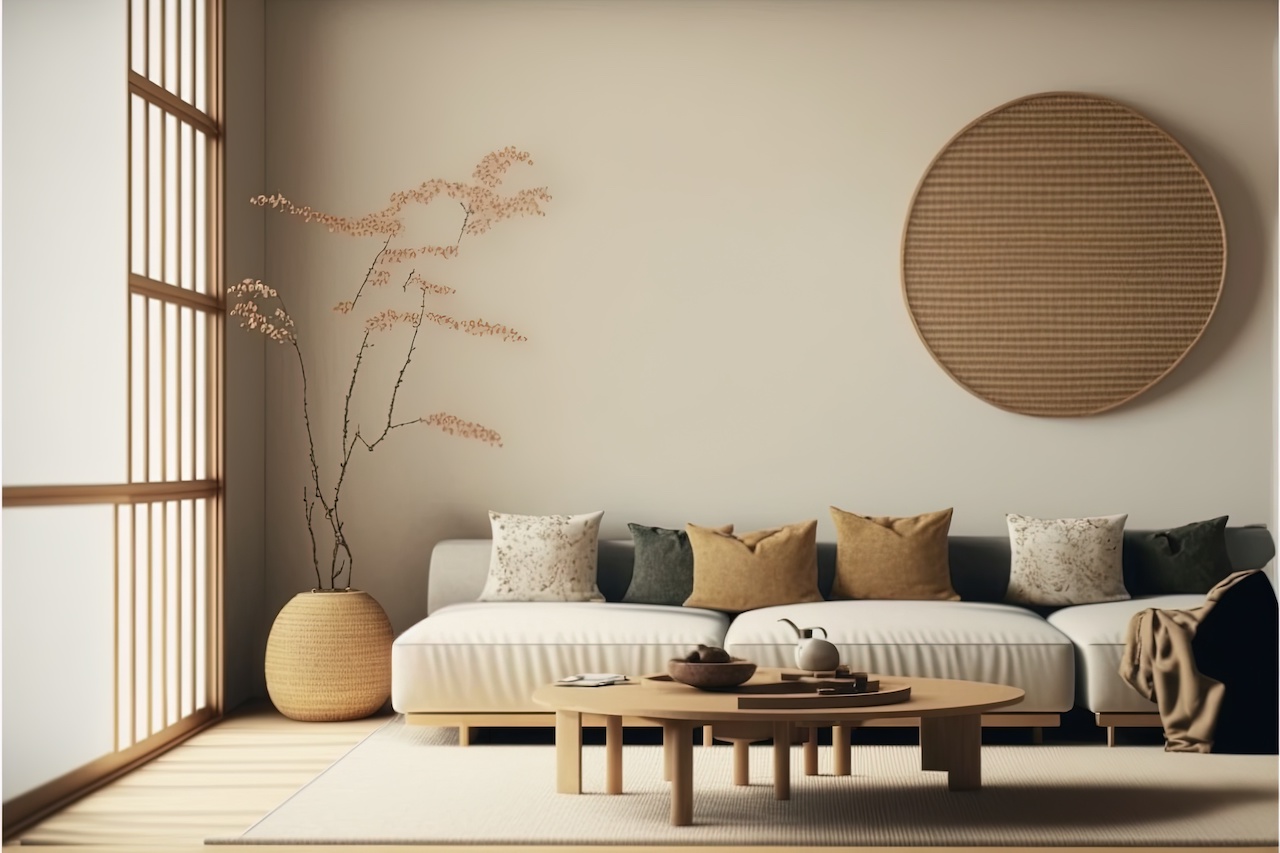
Wabi-Sabi Decor 2025: How to Create Imperfect Yet Elegant Spaces

How to Choose the Perfect Lighting for Every Room

DIY Decorating with Natural Wood: 15 Rustic and Modern Ideas
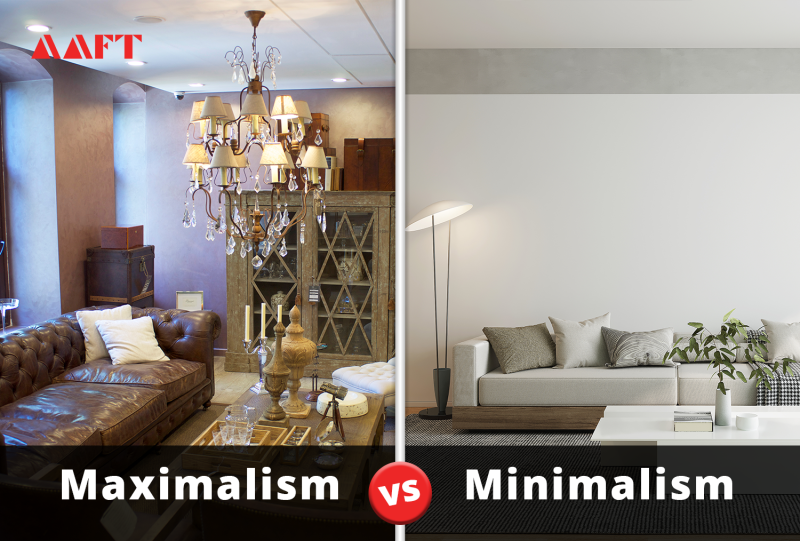
How to Combine Maximalism and Minimalism in Interior Design (2025 Trends)
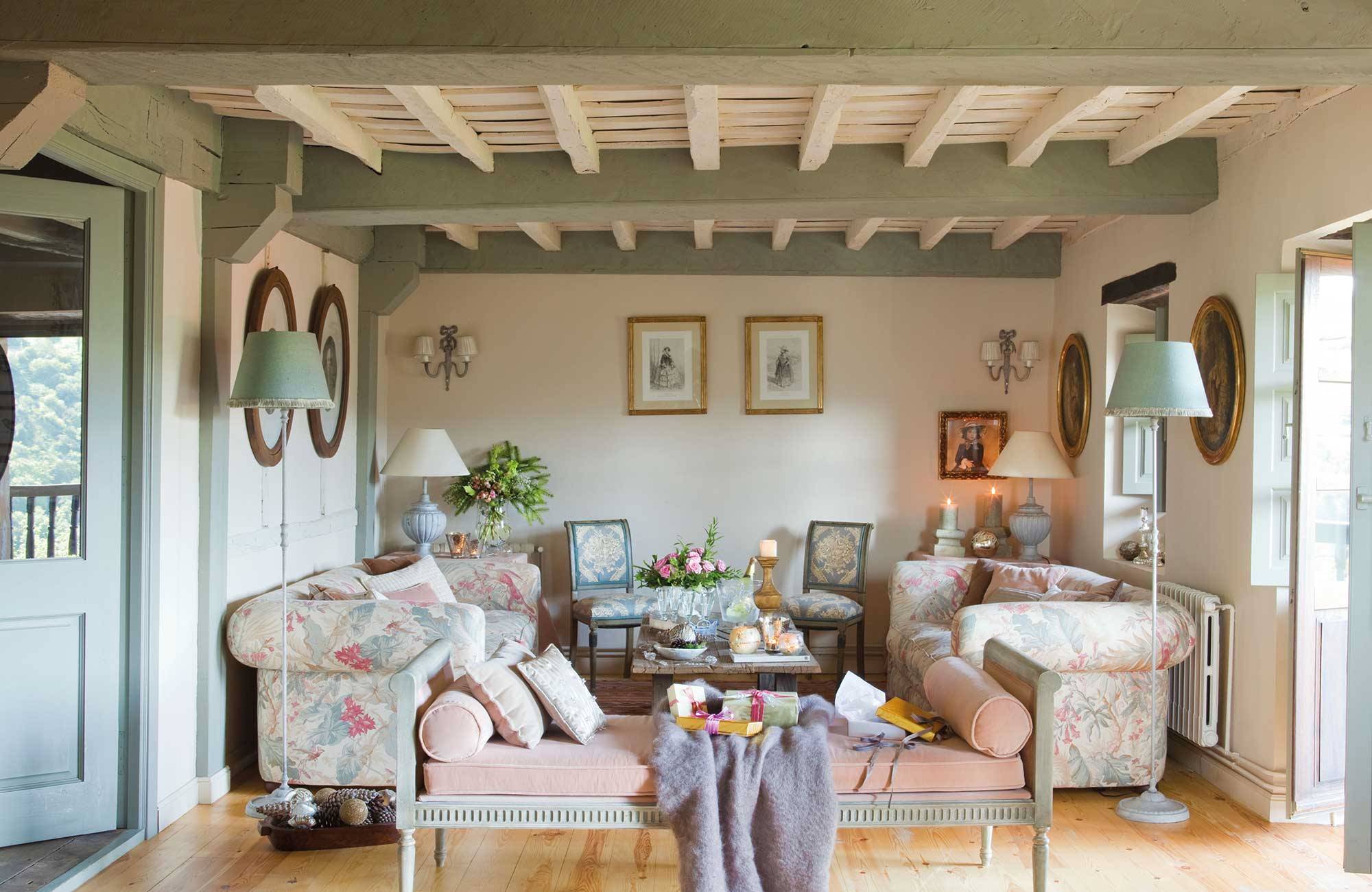
Sustainable Vintage Decor: Guide to a Trendy Retro-Style Home
buy thc candy online for sweet discreet cannabis enjoyment