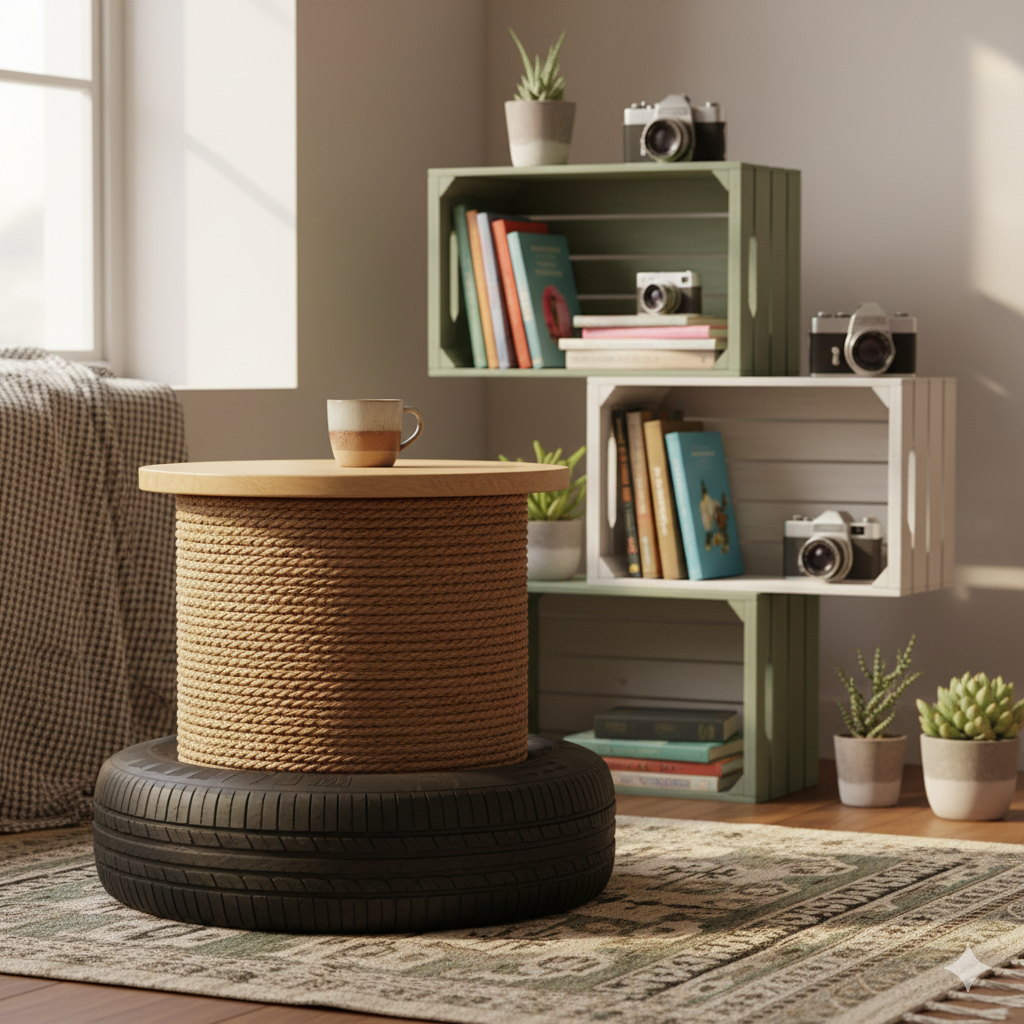
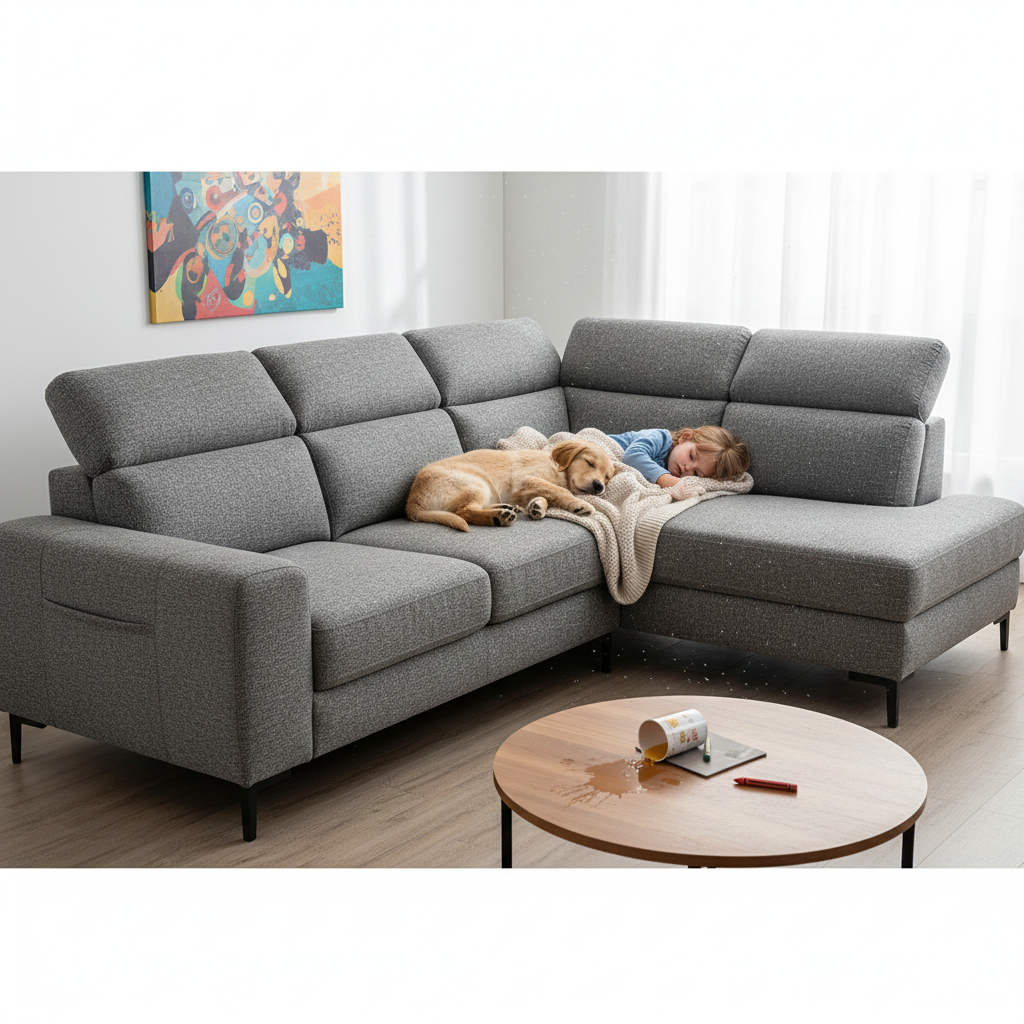
The living room is the highest-traffic and most intensively used area of the home, and the sofa is the central investment. The big question and need is: How can I buy a sofa that truly lasts and withstands the wear and tear of real life (children, pets, stains, constant use) without losing its beauty?
The secret lies in going beyond aesthetics and focusing on the engineering of the furniture. A durable sofa is one where the upholstery, the foam density, and the internal structure work together to resist abrasion, deformation, and dirt.
This complete guide is your technical roadmap. We will provide concrete suggestions and valuable data (such as resistance metrics) so you know exactly what to ask the salesperson and how to ensure your new sofa is a durable and functional investment.
I. The First Defense: High-Performance Upholstery
The visible surface of the sofa is the first to suffer wear. The choice of fabric is crucial for durability and maint
1. Abrasion Resistance: The Magic Number (Martindale Cycles)
The durability of a fabric is measured by the Martindale Cycles, which indicate how many rubs it can withstand before signs of deterioration appear.
-
Concrete Suggestion: For a heavy-duty daily use sofa (with children or pets), look for upholstery with a minimum of 25,000 to 30,000 Martindale Cycles. High-performance contract (commercial use) fabrics exceed 50,000.
-
Practical Tip: Pure linen and cotton generally have less resistance than microfibers or high-grammage polyester.
2. Anti-Stain and Anti-Snag Upholstery (Pets and Children)
Textile technology is the most effective solution against spills and claws.
-
Aqua-Clean or Similar Technology: Fabrics with a protective anti-stain barrier treatment (like Aquaclean) allow you to clean most household stains (coffee, wine, chocolate) with just water and a cloth. This is the most sought-after solution for families.
-
Anti-Claw Fabrics (Pet-Friendly): For homes with pets, look for fabrics with a very tight weave and very short pile (technical velvet or flocking type). These fabrics prevent claws from snagging and tearing the threads, reducing the risk of tearing.
3. Fade Resistance (Sun and Light)
If your sofa is exposed to direct sunlight, fade resistance is key.
-
Blue Wool Scale: Ask for the lightfastness rating (Blue Wool Scale). To prevent premature fading, look for upholstery with a score of 5 or higher on a scale of 8.
II. Support Engineering: Structure and Suspension
The frame is the skeleton of the sofa. A failure in the frame means the end of the investment.
1. The Frame: Wood vs. Metal
The internal structure determines the stability, silence, and lifespan of the furniture.
-
Recommended Structure: Frames made of reinforced solid pine or beech wood (kiln-dried to prevent warping) or tubular metal are the most durable.
-
Concrete Suggestion: Avoid frames made exclusively with low-density particleboard or MDF, as they have little resistance to tension and moisture.
-
Joints: Joints should be glued, screwed, and preferably reinforced with corner blocks or dowels. Squeaks over time are a sign of weak joints.
2. The Suspension: Preventing Sagging
The suspension is the system that supports the weight and prevents the cushions from sinking over time.
-
High-Performance Systems:
-
Nosag Springs (or Zig-Zag Springs): They are the most durable, as they distribute weight evenly and avoid pressure points.
-
High-Resistance Elastic Webbing: They should be tightly interwoven and made of a dense material (never just nylon). Low-quality webbing gives way quickly.
-
-
Quality Control: A quality suspension ensures that the fabric and foam do not suffer excessive tension at the support points.
III. The Key to Comfort: Foam Density and Resilience
Seat deformation is the biggest sign of wear. The foam must be high-density and high-resilience.
1. Density (D): Resistance to Deformation
Density (D) is measured in kg/m³. It indicates not only hardness but the amount of material per cubic meter.
-
Seats (Daily Use): Look for foams with a density of 30 to 35 kg/m³. This ensures firm and durable support. Foams below 25 kg/m³ will quickly sink and deform.
-
Backrests: Backrests can have a lower density (around 20 kg/m³) or be filled with siliconized fiber or down (for softness), but they must have internal compartments to prevent the filling from shifting or clumping.
2. Resilience (HR): The Ability to Recover
High Resilience (HR) indicates the foam’s ability to recover its shape after being pressed.
-
Function: A high-density HR foam is not only firm but quickly returns to its original shape, preventing the «squashed cushion effect.»
-
Concrete Suggestion: Ask about the foam’s firmness (hardness) separately from the density. A foam can be dense but soft (ideal for initial comfort) or dense and firm (ideal for support and durability).
IV. Maintenance and Practical Tips
Even the best sofa requires proper maintenance to withstand the test of time.
1. Removable Covers and Quality Zippers
-
Absolute Priority: Always choose seat and back cushions with removable covers. This allows for periodic professional cleaning (vital for hygiene) and, in the worst case, replacing the cover without changing the sofa.
-
Technical Detail: Zippers must be robust (nylon or metal) and hidden to prevent friction.
2. Anti-Wear Routines
-
Daily Plumping: If your sofa uses down or fiber fillings, fluff and pat the cushions daily. This redistributes the filling and prevents it from clumping in one spot, maintaining the volume and shape of the seat.
-
Rotation: If possible, swap the seat cushions occasionally to distribute wear evenly.
Conclusion: Investing in Engineering, Not Just Appearance
Choosing a sofa that withstands daily use requires an investment in hidden engineering. By focusing the decision on the upholstery’s Martindale index, the HR density of the foam, and the solidity of the frame and suspension, the user moves from buying a piece of furniture to making an investment in comfort and durability. An anti-wear sofa not only provides beauty but ensures that this beauty and functionality endure despite pets, children, and the hustle and bustle of real life.
Latest Posts Published
✨ How to Decorate a Windowless Room: 15 Surefire Strategies for Creating a Bright and Cozy Oasis
How to Decorate a Narrow Hallway Without Overwhelming the Space: Complete Guide to Expanding and Modernizing It (2025)
How to Decorate a Small Bathroom with Functional Ideas: The Definitive Guide 2026
How to Organize Your Kitchen to Make It Look Neat and Modern (Step-by-Step Guide)
Wabi-Sabi Decor 2025: How to Create Imperfect Yet Elegant Spaces
How to Choose the Perfect Lighting for Every Room
DIY Decorating with Natural Wood: 15 Rustic and Modern Ideas
How to Combine Maximalism and Minimalism in Interior Design (2025 Trends)
Sustainable Vintage Decor: Guide to a Trendy Retro-Style Home