In a world that constantly demands our attention, our home must be more than just a shelter; it must be an energy-recharge center. Modern decoration has evolved to recognize the powerful connection between the physical environment and our mental health.
This article delves into two fundamental pillars of well-being-oriented design: light and nature (biophilia). We will explore how their strategic use can transform any space into an anti-stress sanctuary, scientifically balancing your internal rhythms and promoting deep calm.
I. The Mastery of Light: Chronobiology and Healing Environments
Light, or the lack thereof, is the most critical environmental factor for regulating our body. Our chronobiology (the study of biological rhythms) demonstrates that exposure to different types of light throughout the day dictates our energy levels, sleep, and the production of key hormones like cortisol (stress) and melatonin (sleep).
Conscious lighting design is, therefore, the most important investment for a less stressful life.
1. Maximizing Natural Light: The Sun as Therapy
Sunlight is irreplaceable. It promotes Vitamin D synthesis and is the main regulator of the circadian rhythm.
-
Free Your Windows: Check if you have tall furniture or heavy curtains blocking the light entry. Opt for sheer curtains or roller blinds that can be completely retracted during the day.
-
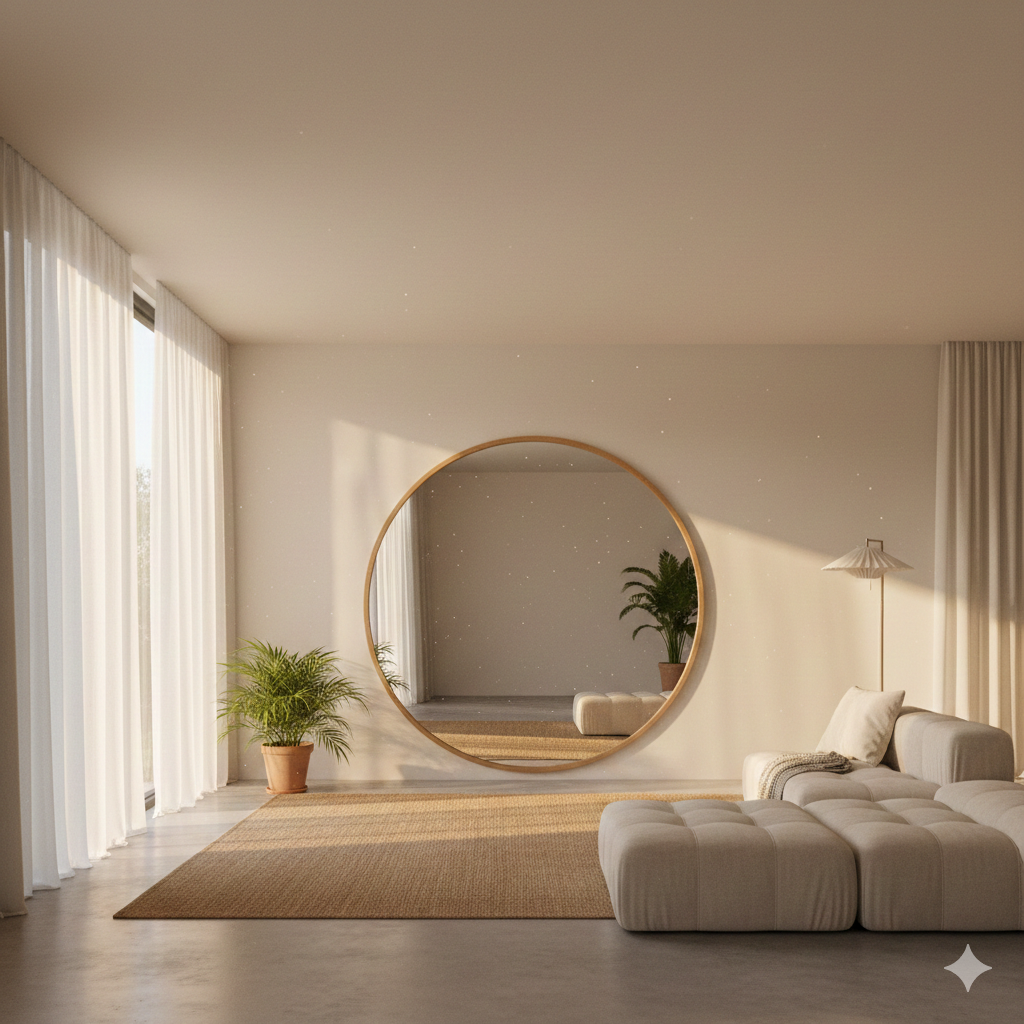
The Mirror Effect (Multiplier): Place large mirrors opposite windows or on adjacent walls. The mirror not only visually enlarges the space but also bounces natural light, dispersing it into darker areas.
-
The Color Palette: Walls and ceilings in light colors (off-white, very pale grays, sand tones) have a much higher light reflectance index, maximizing the feeling of brightness even on cloudy days.
2. The Architecture of Artificial Light: The Layering Strategy
Relying on a single powerful ceiling light is a common mistake that creates harsh shadows and uniformity, which can be visually tiring. Anti-stress design relies on layered lighting:
| Lighting Layer | Anti-Stress Purpose | Implementation Tips |
| Ambient Light (General) | Provides safety and orientation. | Dimmers on all ceiling lights. Always use warm light (2700K – 3000K). |
| Task Light (Focal) | Improves concentration and prevents eye strain. | Articulating desk lamps in offices. Directional spotlights in the kitchen. The contrast must be sufficient to see effortlessly. |
| Accent Light (Decorative) | Creates depth, drama, and relaxing focal points. | Spotlights to highlight artwork or sculptures. Uplighting for large plants. This is key for atmosphere. |
3. Color Temperature (Kelvin): The Hormonal Switch
The Kelvin unit (K) measures the «warmth» or «coolness» of light. Controlling color temperature is crucial for stress management:
-
Very Warm Light ($2000K – 2700K$): Orange-yellow. Ideal for bedrooms, reading nooks, and the last hour of the night. It signals the brain that it’s time to relax and promotes melatonin.
-
Warm Light ($2700K – 3500K$): Soft yellow. The standard for living rooms and lounge areas. Provides comfort and visual warmth.
-
Neutral to Cool Light ($4000K – 5000K$): Pure white. It should only be used in high-activity areas (offices, laundry rooms, intense working kitchens) and never after sunset.
Key Principle: Install dimmable lights in the living room and bedroom. Being able to reduce light intensity to 30% is an instant act of decompression at the end of the day.
II. The Healing Power of Biophilia (Nature at Home)
Biophilia is our innate connection to nature. Studies show that the simple presence of natural elements reduces cortisol, blood pressure, and heart rate.
1. Plants: Purification and Visual Anchoring
Plants are living elements that add movement, color, and fresh air.
-
Natural Air Purifiers: Some species are excellent at filtering common toxins from cleaning products and paints. Pothos, Snake Plants (Sansevieria), and Peace Lilies (Spathiphyllum) are robust and effective options for improving indoor air quality, leading to better breathing and sleep.
-
The Grouping Effect: Avoid placing a single isolated plant in a corner. Group 3 or 5 plants of different sizes and types (one large, one hanging, one small with texture) to create a visual mini-ecosystem that is more immersive and potent.
-
Aromatic Plants: Integrate pots of mint, rosemary, or lavender in the kitchen or balcony. The aroma itself has proven therapeutic properties for reducing anxiety.
2. Natural Elements: Texture and Warmth
Biophilia is not limited to plants; it extends to the materials we use for decoration:
-
Untreated Woods: Prioritize furniture and accessories made of wood in light tones with visible grain. Wood provides a warmth and honesty that metal or plastic cannot replicate.
-
Stone and Ceramics: Use terracotta or clay pots that allow plants to breathe, or natural stone countertops. The tactile texture and cool feel of these materials are very comforting.
-
Organic Fabrics: Opt for linen, organic cotton, or virgin wool in your textiles. Their coarser, more natural textures reduce visual load and offer a pleasant feel.
III. The Master Fusion: Integration for Harmony
The maximum relaxing effect is achieved by orchestrating light and nature to work together.
1. Biophilic Accent Lighting
Use artificial light to highlight natural elements at night:
-
Floor Spotlights: Place small (always warm) LED spotlights on the floor behind your largest indoor plants. The effect of the leaf shadows projected on the wall is spectacular and deeply relaxing, as if nature were gently moving.
-
Botanical Display Case: If you have a plant-filled shelf, use hidden warm LED light strips on the edge of the shelves to illuminate them from below, creating a soft green glow.
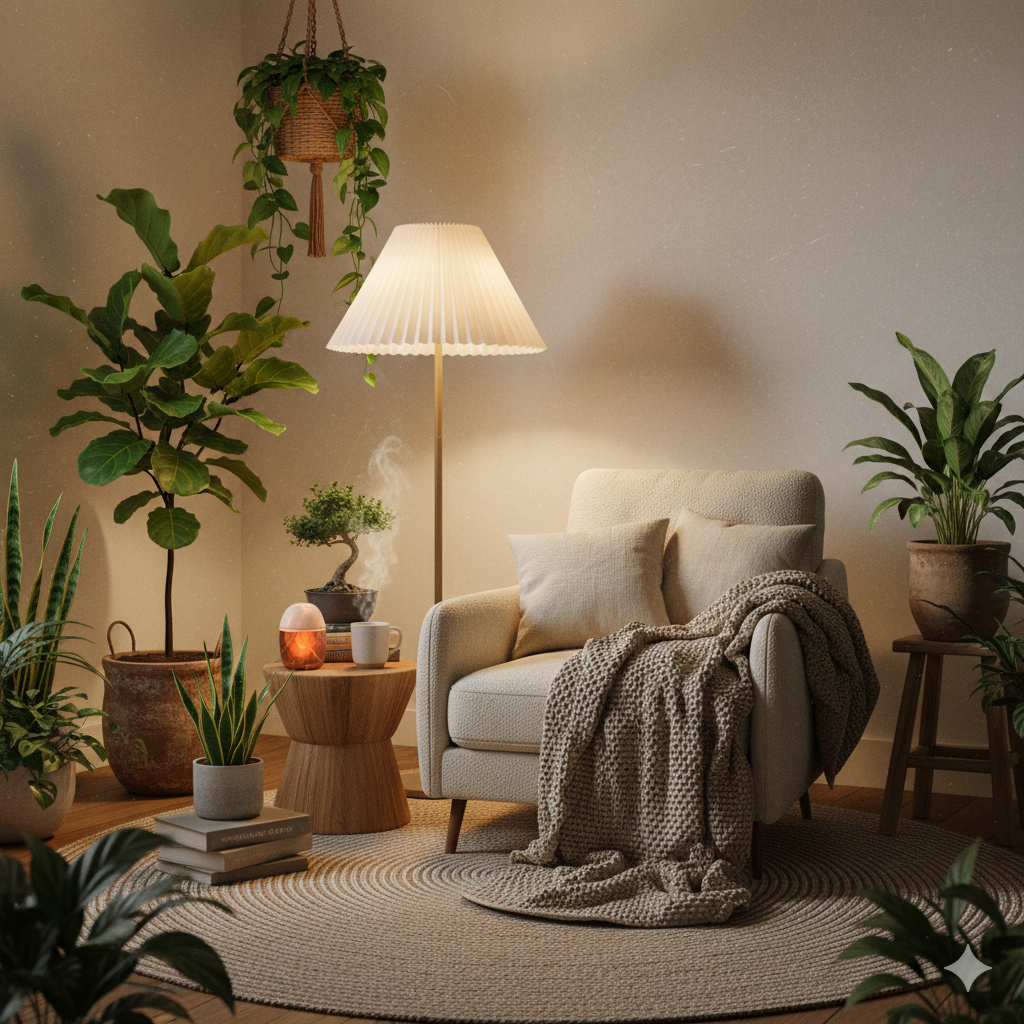
2. The Natural Recharge Corner
Designate a specific area in your home for «recharging» with light and nature:
-
Locate it next to the sunniest window.
-
Ensure it is surrounded by 3 or more plants.
-
Include a comfortable design chair, a wool pouf, and a floor lamp with a paper or natural fabric shade for when the sun goes down.
This corner becomes a visual and emotional anchor for calm.
IV. Attention to Detail (The Complete Experience)
Successful anti-stress decor is one that attends to the small details that impact our subconscious mind.
1. Clutter Management
Visual clutter is the silent enemy of well-being. Implement closed storage systems to reduce the cognitive stress generated by visible pending tasks:
-
Wicker or rattan baskets for blankets and magazines.
-
Furniture with doors and drawers that hide wiring.
-
«The 5-Minute Rule»: At the end of the day, dedicate five minutes to returning objects to their proper place.
2. The Water Element
The sound and sight of water have an almost universal calming effect.
-
A small indoor water fountain, strategically placed in a living room or office, generates a gentle white noise that masks irritating urban sounds and encourages meditation.
Conclusion: Your Home, Your Therapy
Wellness design is not a trend, but a vital necessity. By consciously manipulating light to respect your circadian rhythms and saturating your space with nature (biophilia), you are creating an environment that actively combats cortisol.
Start small. Change your light bulbs, bring in a new plant, or rearrange a corner to maximize light. Every decision is a step toward a calmer, more restorative, and ultimately, much healthier home.
Latest Posts Published
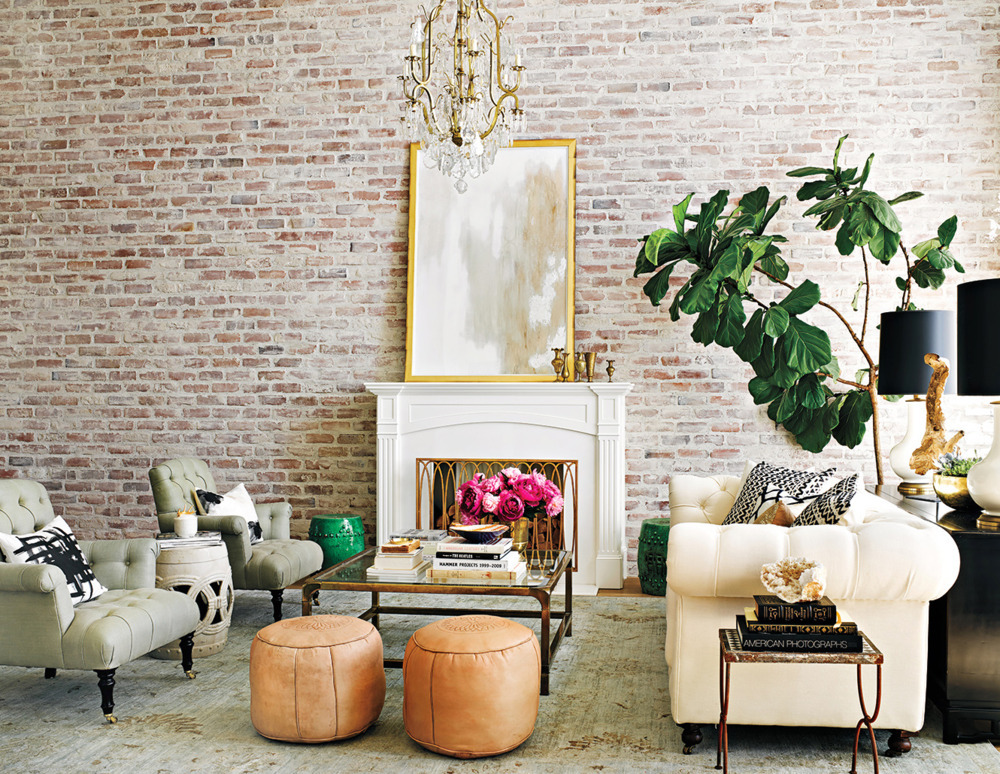
✨ How to Decorate a Windowless Room: 15 Surefire Strategies for Creating a Bright and Cozy Oasis
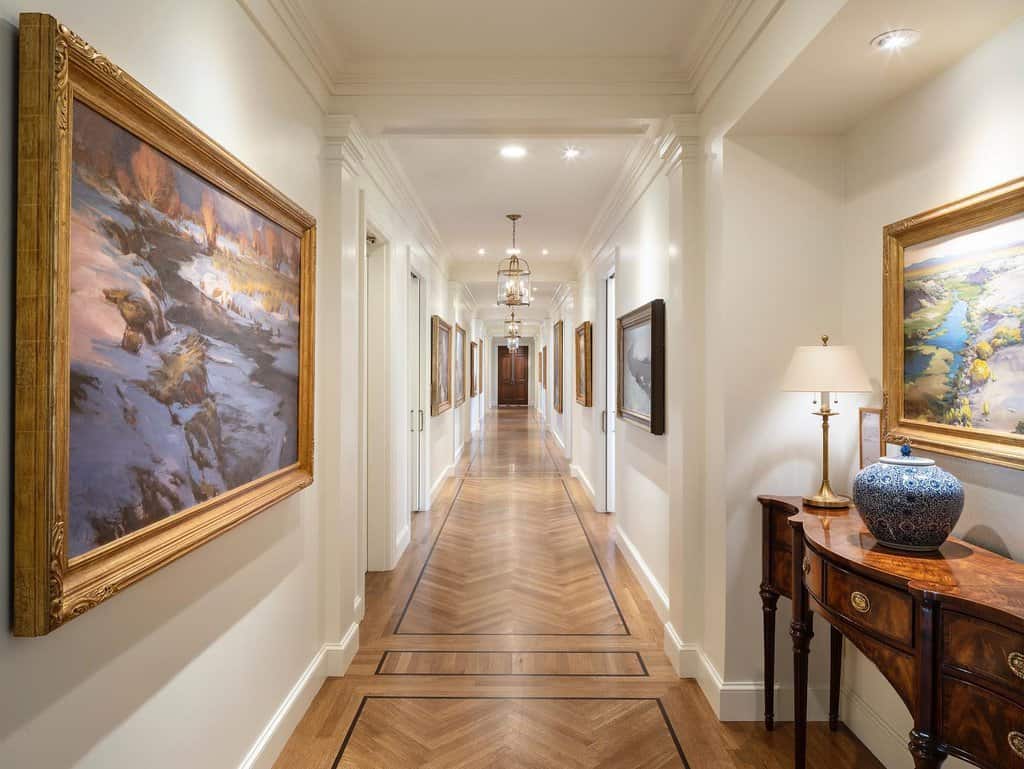
How to Decorate a Narrow Hallway Without Overwhelming the Space: Complete Guide to Expanding and Modernizing It (2025)
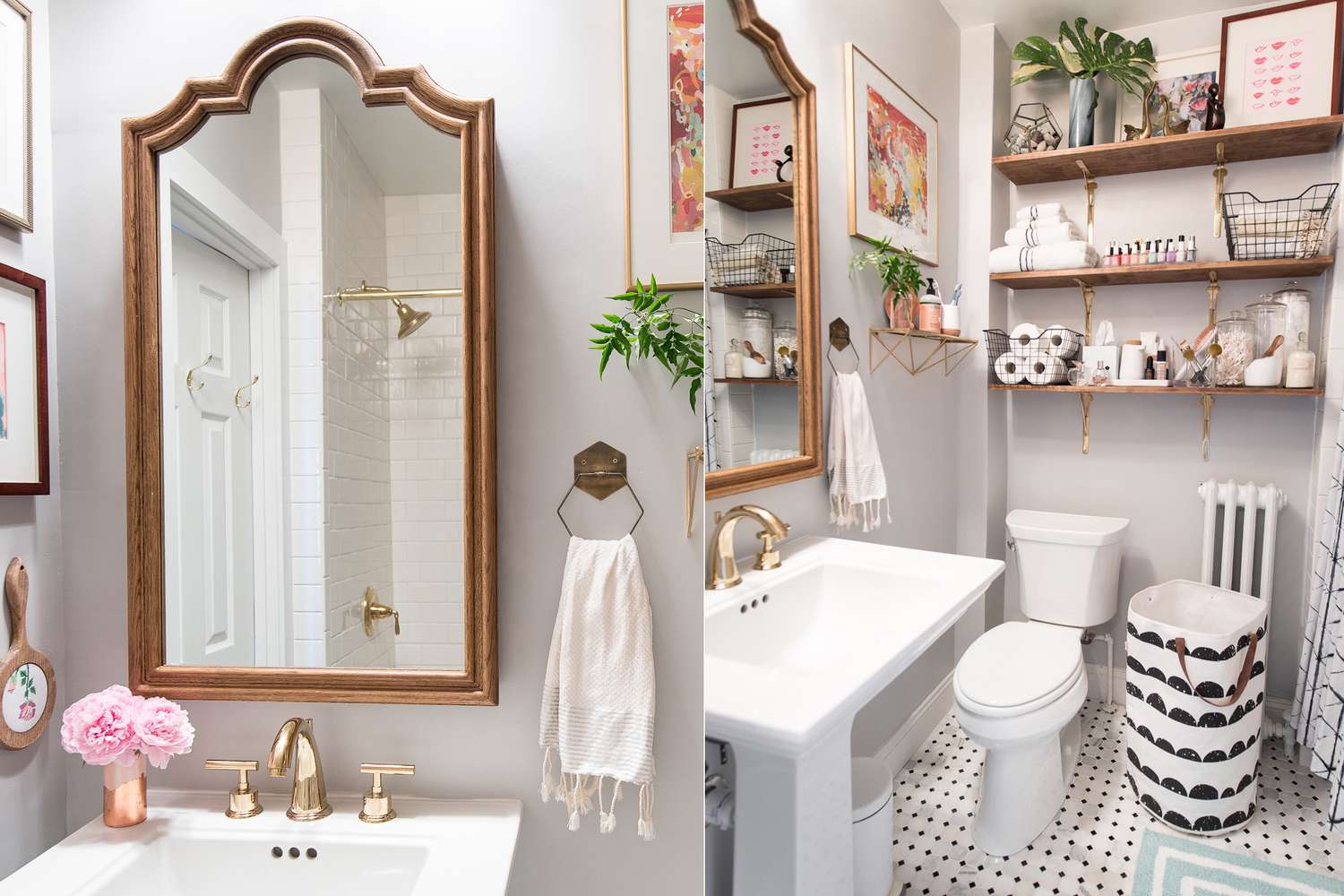
How to Decorate a Small Bathroom with Functional Ideas: The Definitive Guide 2026
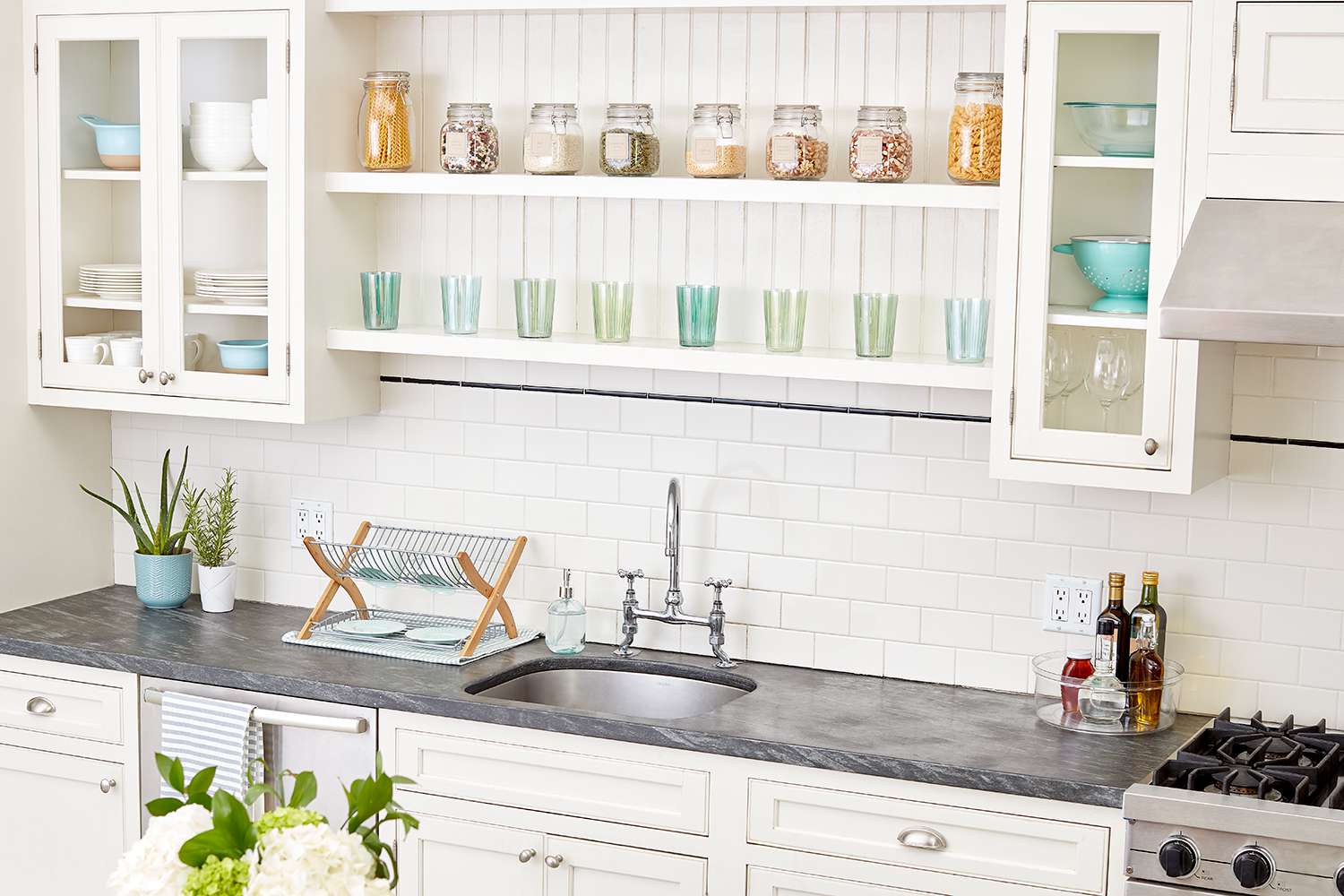
How to Organize Your Kitchen to Make It Look Neat and Modern (Step-by-Step Guide)
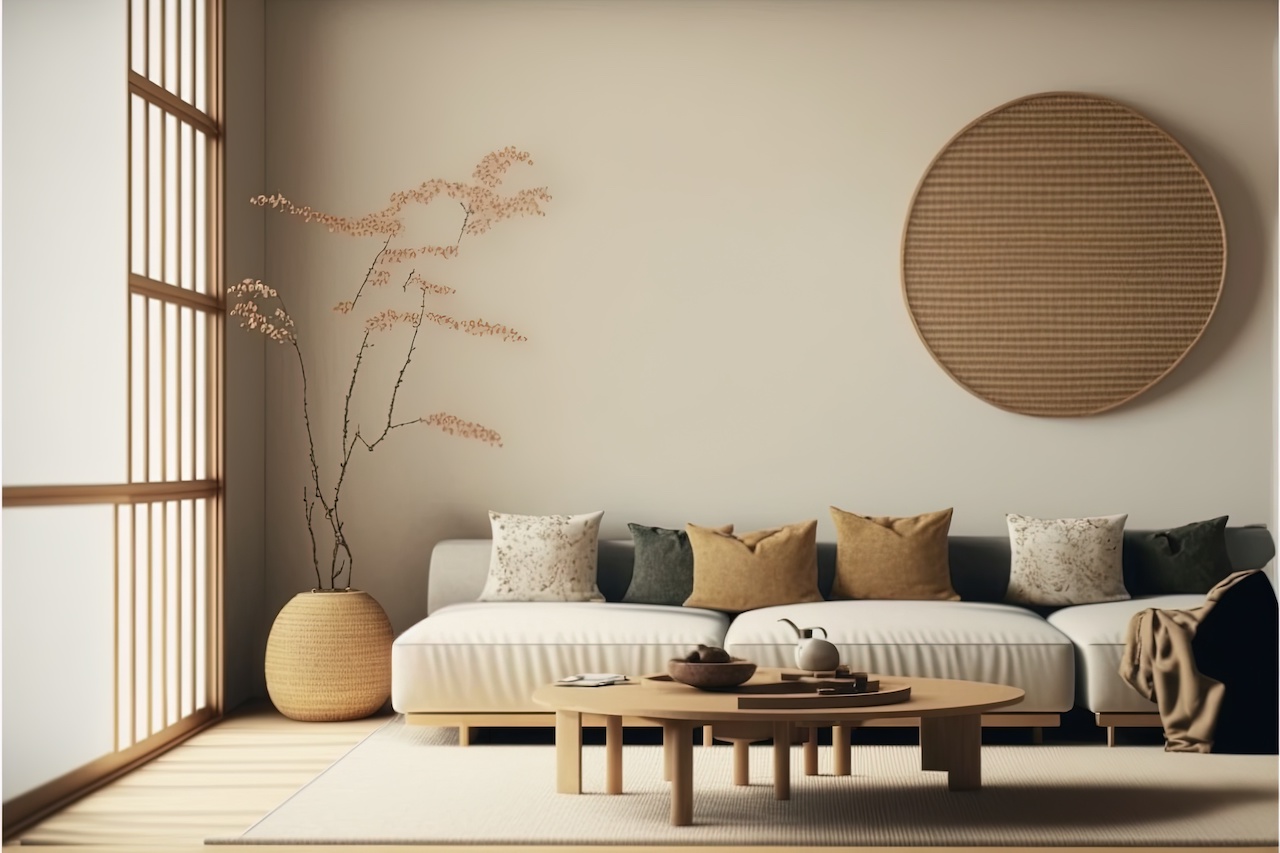
Wabi-Sabi Decor 2025: How to Create Imperfect Yet Elegant Spaces
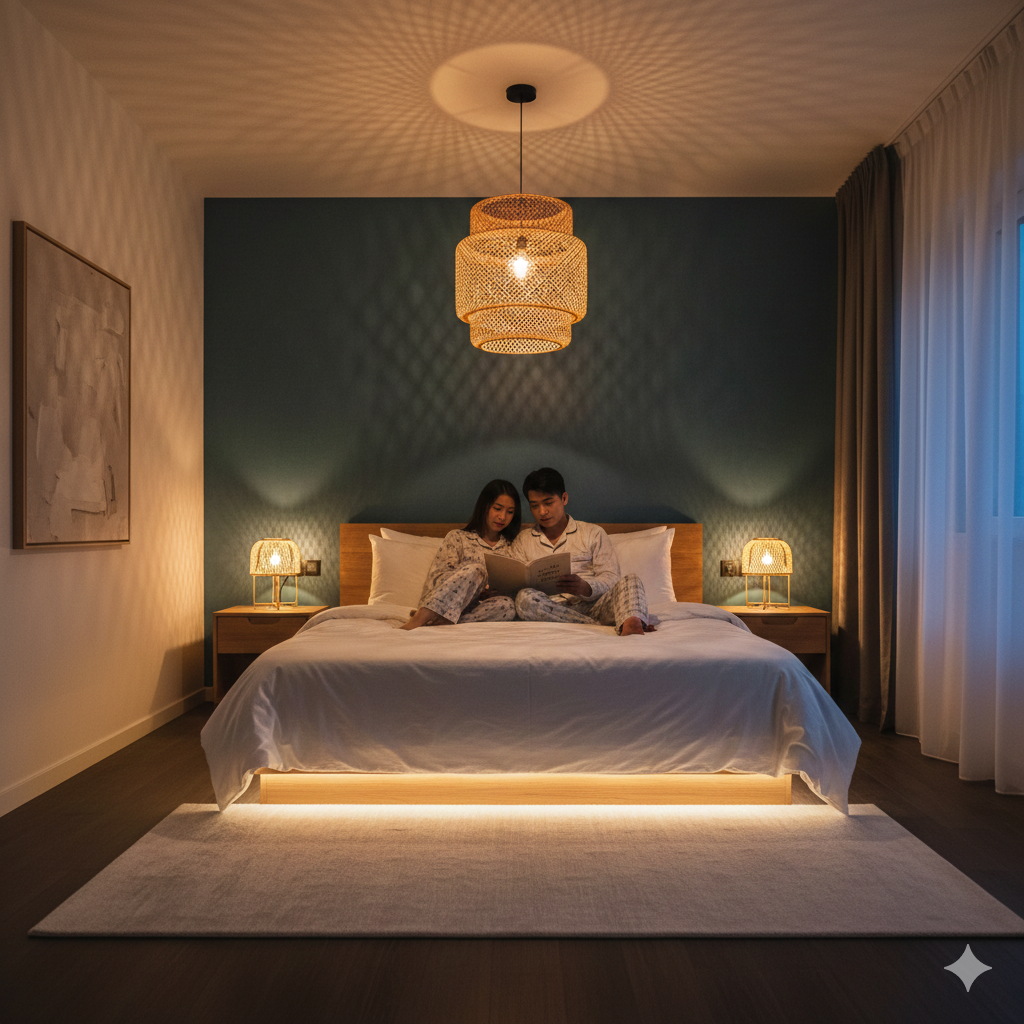
How to Choose the Perfect Lighting for Every Room
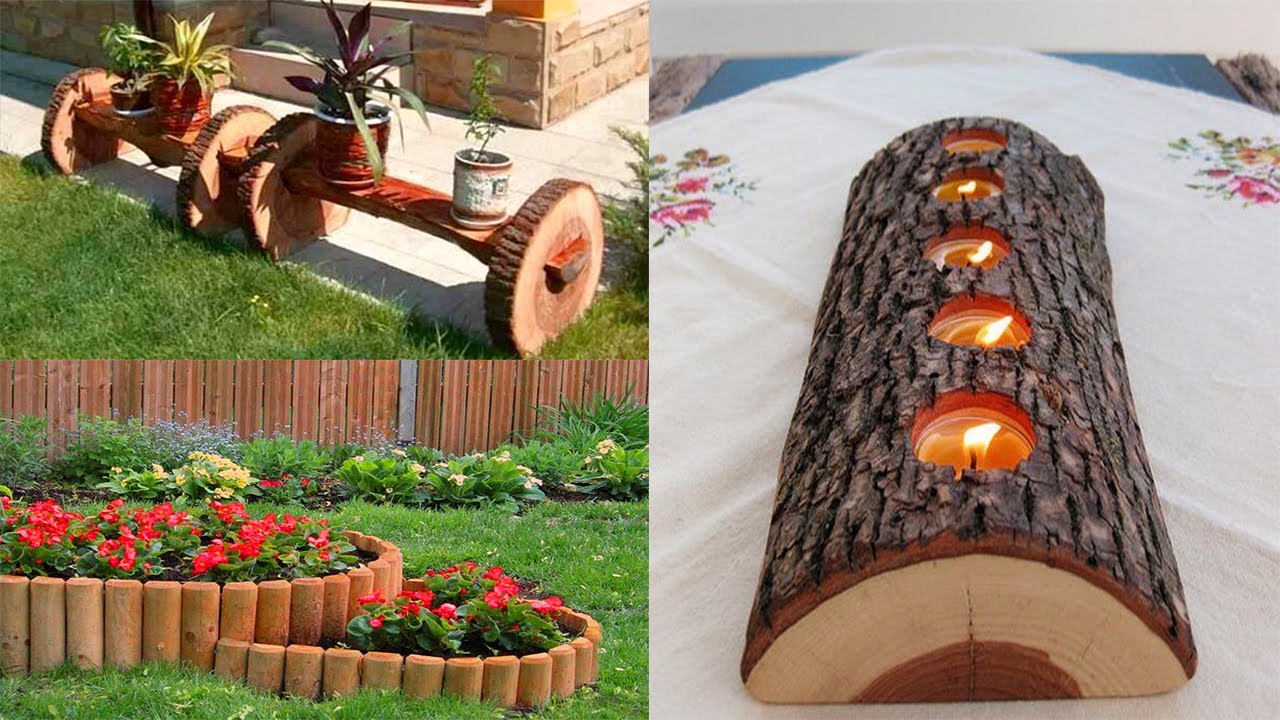
DIY Decorating with Natural Wood: 15 Rustic and Modern Ideas
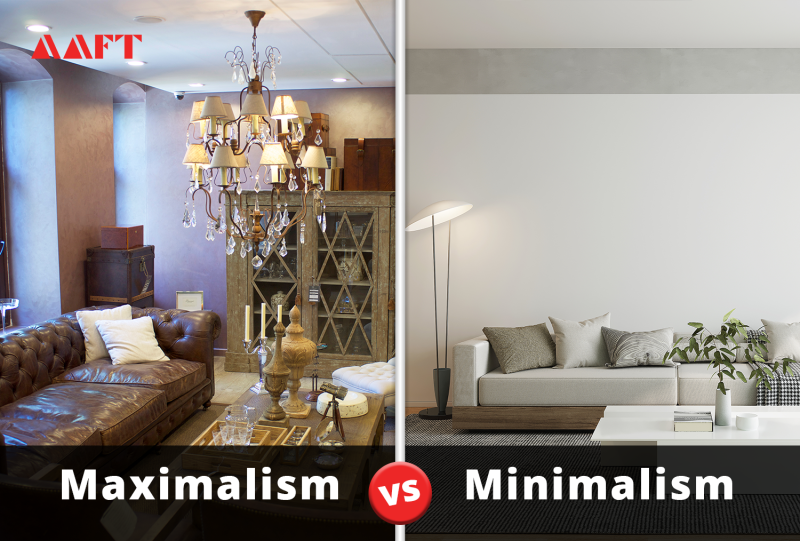
How to Combine Maximalism and Minimalism in Interior Design (2025 Trends)
Sustainable Vintage Decor: Guide to a Trendy Retro-Style Home