Construction has found a new canvas in an unexpected element: the shipping container. Far from being a mere cargo receptacle, its robust Corten steel structure has become the foundation of a global architectural trend that embraces sustainability, modularity, and an unmistakable industrial design.
In the context of home design, the container offers a versatile solution: from creating a garage with a bold, minimalist aesthetic to expanding the home with a habitable loft or a standalone garden office/studio. The key to its appeal lies in its raw appearance, its extreme durability, and the speed with which it can be transformed.
This article moves away from the purely logistical view to delve into design. We will explore the aesthetic and functional advantages of this modular architecture, the keys to integrating the container into the landscape, and how its industrial aesthetic can be softened or enhanced to create a truly unique and modern space.
🏗️ Industrial Design and Modular Aesthetics: The Appeal of the Container
The main design advantage of a container is not technical, but conceptual: it offers a powerful aesthetic and a predefined architectural canvas.
1. The Unmistakable Industrial Look
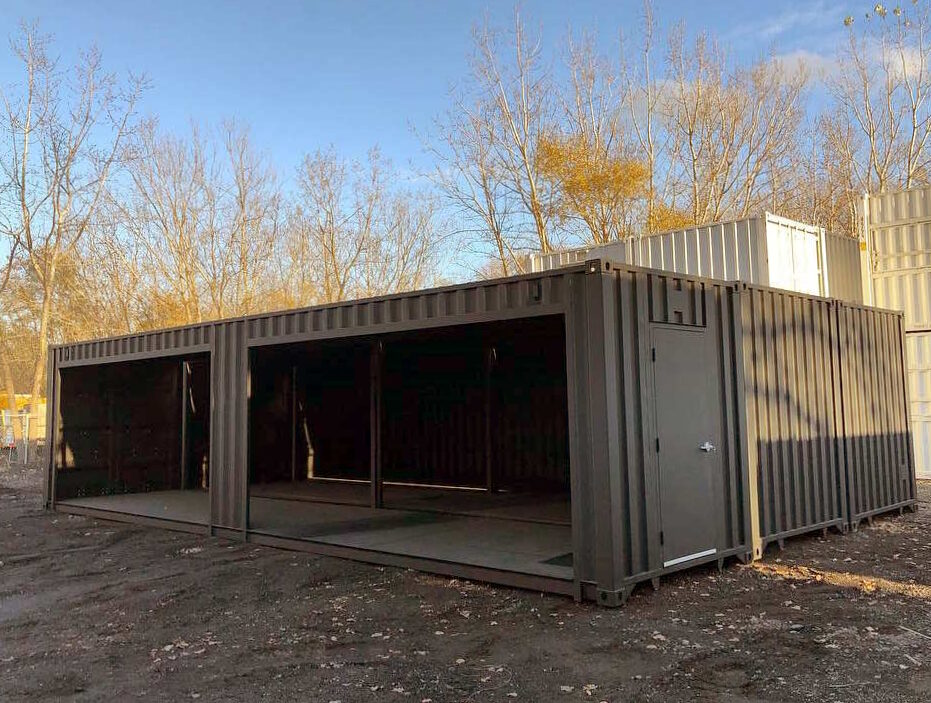
The Corten steel, visible seams, and original doors of the containers provide a robust and raw character that fits perfectly with industrial design.
- Material Integration: This aesthetic can be enhanced by leaving the steel exposed (perhaps painted matte black, anthracite gray, or rust red) or softened by partially cladding the exterior with natural wood, creating a warm, modern contrast.
- Structural Minimalism: The container, by its pure rectangular form, imposes an inherent minimalism that is highly valued in contemporary architecture.
2. Modularity and Design Versatility
The modular nature of containers allows for a design flexibility that traditional construction does not offer.
- Simple Expansion: Multiple containers (20-foot or 40-foot) can be stacked or joined to create larger structures: a two-story house, a garden gym, or a large double garage.
- Creation of Patios and Open Spaces: By placing two containers parallel and leaving a space between them, a central covered patio or terrace is generated, integrating the structure into the surrounding landscape.
3. Sustainability and Reuse (Upcycling)
Ecological awareness is a design factor. Using containers is an act of upcycling (creative reuse) that reduces the construction’s carbon footprint.
- Lower Waste Generation: Much of the structure is already built, minimizing on-site waste.
- Minimal Foundations: Containers require less intrusive foundations, which reduces the impact on the land.
🏡 Specific Design Solutions: Beyond the Garage
The versatility of the container allows for the creation of advanced design spaces adapted to modern home needs.
1. Outdoor Office or Studio (The Independent Home Office)
Physical separation from the main house turns the container into the ideal studio.
- Visual and Acoustic Isolation: The steel structure, once insulated, provides a quiet and focused workspace cabin.
- Large Windows: Breaking the steel with large glass openings (floor-to-ceiling) maximizes natural light and visually connects the studio’s interior with the garden, without losing thermal insulation.
2. Tiny Loft or Guest House (The Urban Retreat)
A 40-foot container (approximately $30 text{ m}^2$) can be transformed into a functional and compact loft.
- Efficient Layout: This requires multifunctional furniture and integrated vertical storage solutions.
- Warm Interiors: To counteract the coldness of the exterior metal, interior cladding should use light wood, smooth drywall (plasterboard), and textiles in warm tones (Nordic or Wabi-sabi style).
3. Garage or Design Workshop (Automotive Vanguard)
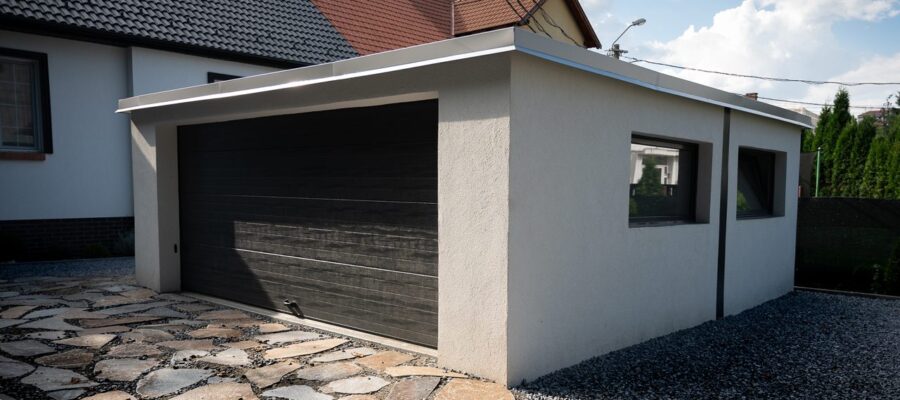
A container garage can be a design focal point on the property.
- Vanguard Rolling Doors: Instead of the original doors, modern garage doors are installed that integrate with the container’s look.
- Landscape Integration: The container can be painted a color that contrasts with the garden (e.g., dark green or black) or vertical gardens can be used to soften the metallic structure.
🔨 Integration and Finishes: Softening Industrial Aesthetics
To prevent a container from looking like an abandoned object, its integration into the home’s design is crucial.
1. Insulation and Interior Cladding
The exterior industrial aesthetic is great, but the interior must be comfortable. Steel conducts heat and cold, making insulation mandatory.
- Efficient Insulation: Sprayed polyurethane foam (to account for the irregular shape) or mineral wool panels are used, followed by an air gap and gypsum boards (drywall/plasterboard).
- Designed Interiors: The interior wall should be smooth, warm, and well-finished. Wood panels or drywall painted in neutral tones can be used to create a contrast with the metallic exterior.
2. Exterior Lighting Design
Light defines the structure at night.
- Accent Lighting: Recessed spotlights that wash the metallic wall or linear LED lights that underscore the container seams, highlighting its modular form.
- Service Light: Functional lighting at the doors or access points.
3. The Transition to the Ground
Since the container is elevated on foundations, it requires a smooth transition with the garden.
- Decks and Terraces: Building an exterior wooden deck around the container’s base creates a terrace that visually anchors it to the ground, softening its height.
Final Thoughts: Design Requires Technical Planning
Adopting modular architecture is a cutting-edge design choice, but it requires meticulous technical planning to ensure comfort and legality.
- Permits and Regulations: Converting the space into a habitable area (loft or office) requires construction and occupancy permits, just like a traditional house.
- Structural Reinforcement: When cutting large sections of the walls to install windows and doors, the container structure must be reinforced with steel or support profiles.
- Plumbing and Electricity: The installation must be planned before applying the insulation, as all conduits and wiring must run inside the structure.
The shipping container has democratized architectural design, offering a solid foundation for creative ideas. By focusing the project on industrial aesthetics, modularity, and interior comfort, you can transform this steel box into a functional, sustainable, and stylish outdoor space.
Latest Posts Published
✨ How to Decorate a Windowless Room: 15 Surefire Strategies for Creating a Bright and Cozy Oasis
How to Decorate a Narrow Hallway Without Overwhelming the Space: Complete Guide to Expanding and Modernizing It (2025)
How to Decorate a Small Bathroom with Functional Ideas: The Definitive Guide 2026
How to Organize Your Kitchen to Make It Look Neat and Modern (Step-by-Step Guide)
Wabi-Sabi Decor 2025: How to Create Imperfect Yet Elegant Spaces
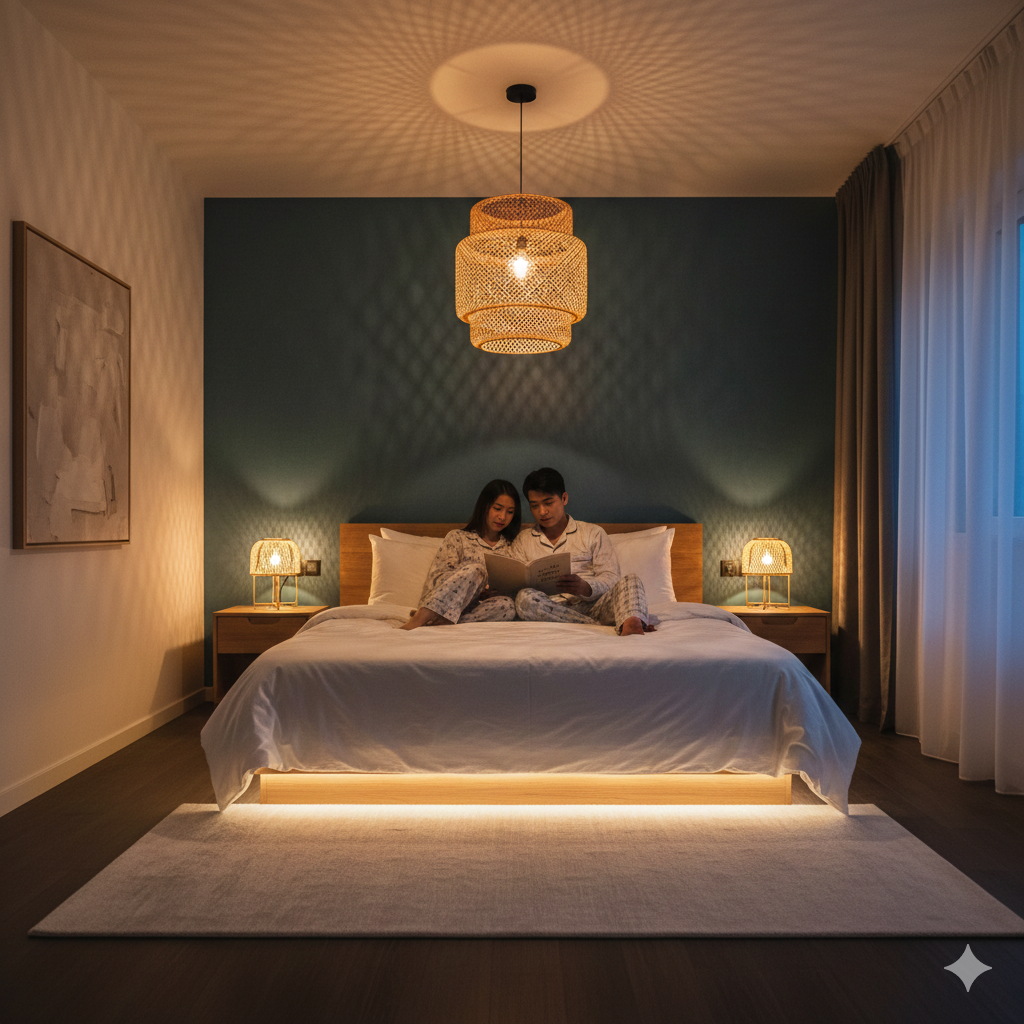
How to Choose the Perfect Lighting for Every Room

DIY Decorating with Natural Wood: 15 Rustic and Modern Ideas
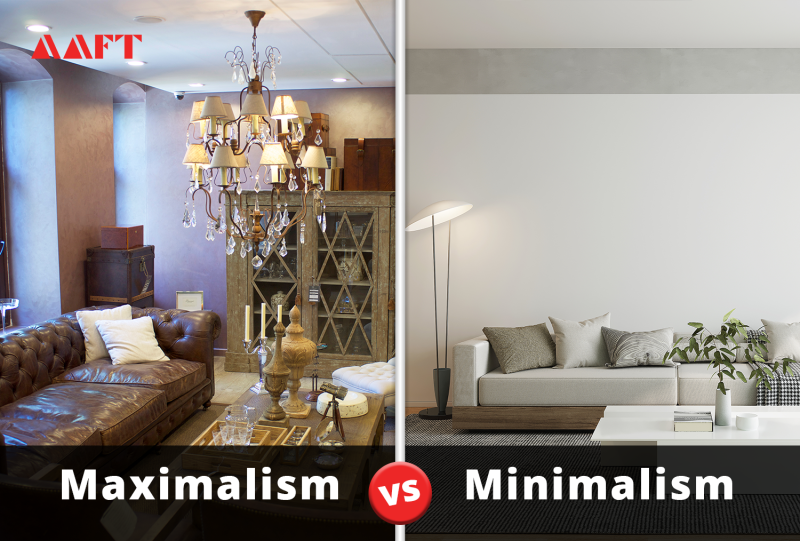
How to Combine Maximalism and Minimalism in Interior Design (2025 Trends)
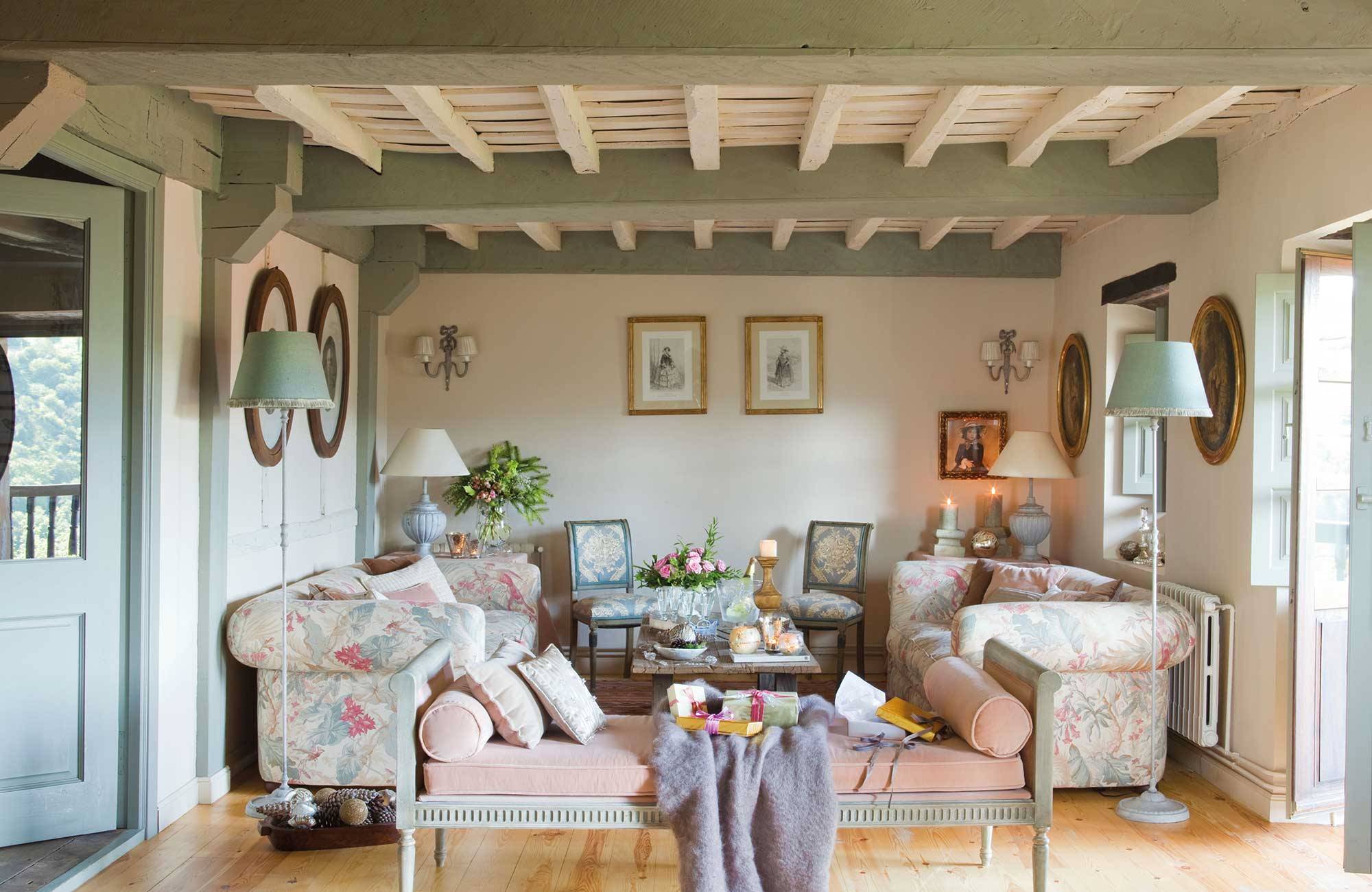
Sustainable Vintage Decor: Guide to a Trendy Retro-Style Home