3D wallpaper has revolutionized interior design, transcending mere decorative function to become a tool that transforms spatial perception. This innovation not only adds color and pattern but introduces depth, texture, and a volumetric effect that breaks the monotony of flat walls.
If you are considering using this design material in your next renovation, this complete guide will provide all the value you need: from its aesthetic and functional advantages to the keys for installation and the technical details that guarantee a professional result.
I. Key Advantages of 3D Wallpaper
The popularity of wallpaper with a 3D effect is due to its multiple benefits that surpass traditional flat paper.
1. Aesthetic Impact and Spatial Transformation
The main advantage of volumetric wallpaper is its ability to create optical illusions and immersive environments.
-
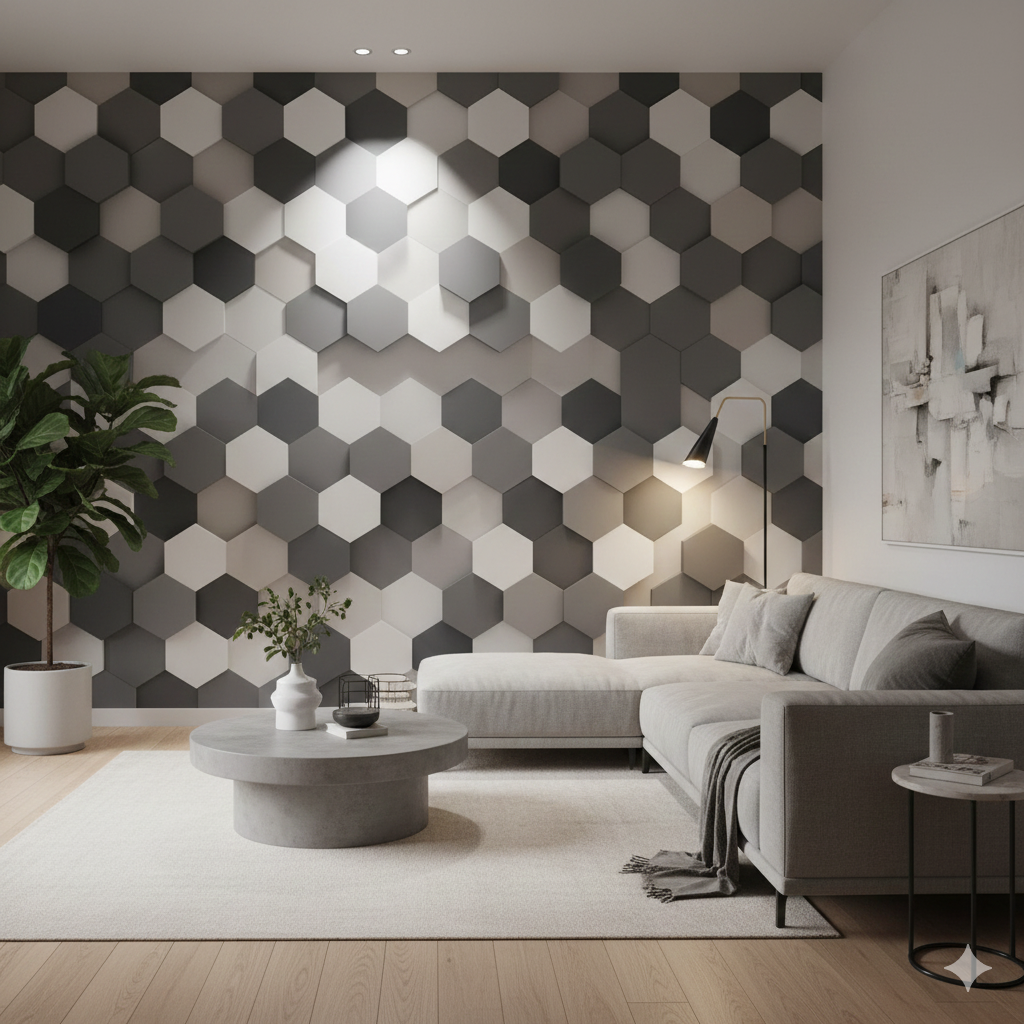
Visual Depth: Through geometric patterns, simulated textures (brick, wood), or figures that project shadows, 3D paper tricks the eye, making walls appear to recede or advance. This is invaluable in small spaces, where it can generate an artificial sense of greater spaciousness.
-
Focal Point: A bold 3D design turns a plain wall into the dominant focal point of the room (living room, bedroom, or even hallway), directing the gaze and providing instant character.
-
Personalization: The range of patterns is infinite, from soft wave reliefs to strong abstract geometric patterns, allowing the design to adapt to any style, from modern minimalism to Art Deco.
2. Insulating Functionality and Imperfection Coverage
Beyond aesthetics, textured wallpaper offers practical benefits.
-
Thermal and Acoustic Insulation: Depending on the thickness and material (especially designs with a foam or thick vinyl base), 3D wallpaper can offer a slight bonus of thermal insulation and help dampen ambient sound, creating a more comfortable space.
-
Concealment of Defects: The thickness and texture of embossed wallpaper are exceptional for disguising small cracks, irregularities, or wall imperfections that flat paper or paint would highlight. This is a very practical solution for old or renovated walls.
-
Durability and Cleaning: Most vinyl 3D wallpapers are washable and highly resistant to wear, making them ideal for high-traffic areas like hallways or kitchens.
II. 3D Wallpaper Installation Guide: Professional Keys
The installation of 3D wallpaper is similar to conventional wallpaper, but the volumetric patterns demand extreme precision so that the visual effect is not broken.
1. Surface Preparation (The Foundation of Success)
Preparation is 80% of the job.
-
Exhaustive Cleaning: The wall must be completely clean, dry, and free of grease or dust.
-
Repair: Although 3D paper helps conceal, any large hole or fissure must be filled and sanded.
-
Sealing and Priming: Apply a coat of primer or acrylic sealer. This unifies the wall’s absorption and ensures the adhesive bonds correctly, preventing the paper from peeling.
2. The Precision of the Volumetric Pattern
The secret to installation is the correct alignment of the three-dimensional design.
-
Measurements: Accurately measure the width and height of the wall and plan where the seams will fall.
-
Guide Line: Use a plumb line or laser level to draw an initial vertical line. It is critical that the first strip is perfectly vertical.
-
Alignment: 3D patterns (especially geometric ones) require millimeter alignment so that the lines continue from one strip to the next without jumps. Tip: Cut the strips with a few extra centimeters at the top and bottom and align them on the floor first.
3. Adhesive Application and Placement
Use the appropriate adhesive for the type of paper (cellulose, vinyl, or non-woven – TNT).
-
Non-Woven (TNT) Paper: This is the easiest to install. The paste is applied directly to the wall, which facilitates handling the strips and allows the paper to be repositioned without tearing.
-
Vinyl or Heavy Textured Paper: The paste is usually applied to the back of the paper. Allow the paste to «soak» the paper for the time indicated by the manufacturer before placing it (folded accordion-style) to avoid bubbles or tearing.
-
Key Tools: Use a soft plastic smoother or a wallpaper brush to smooth the surface and expel bubbles from the center toward the edges.
III. Technical Details and Purchasing Considerations
Understanding the technical aspects is fundamental to guarantee durable wallpaper and an optimal visual result.
1. Manufacturing Materials: Which to Choose?
The choice of material directly impacts durability, cleanability, and price.
-
Vinyl 3D Wallpaper: This is the most popular option for relief. It consists of a paper base covered by a vinyl layer. They are washable and highly resistant to moisture and friction. Ideal for bathrooms (away from the shower), kitchens, and high-traffic areas.
-
Non-Woven (TNT) Paper: Textile fiber and cellulose base. It is breathable, fire-resistant, and the easiest to remove without damaging the wall. The relief tends to be more subtle.
-
Textured Paper (Natural Fiber Base): May include fiberglass or hemp textures. It offers the most pronounced reliefs but may be less resistant to wet cleaning.
2. Repeat Pattern and Waste (The Hidden Cost)
Large and geometric patterns, common in 3D design, have a longer repeat pattern (or rapport) than simple paper.
-
Matching: The longer the repeat pattern, the more paper you will need to waste between strips to ensure the design fits perfectly.
-
Calculation: Always calculate between 10% and 15% extra paper when placing your order, especially for large patterns.
3. 3D Design Trends for 2025
To keep the article relevant for 2025, we include the current trends:
-
Lobe/Wave Effect: Soft, organic reliefs that mimic natural shapes, perfect for bedrooms and living rooms seeking a serene atmosphere.
-
Abstract Geometry with Contrast: High-contrast patterns (black and white or taupe and dark gray tones) that maximize the depth effect. Ideal for home offices or reception areas.
-
Natural Material Simulation: 3D paper that mimics the rough texture of concrete, microcement, or exposed brick with a realistic tactile feel.
Conclusion: 3D Wallpaper as an Aesthetic Investment
3D wallpaper is a smart investment in interior design. It not only beautifies but endows walls with a three-dimensional character that paint could never replicate. By mastering the technical preparation and precise installation, you will achieve a professional finish that will radically transform any room, adding depth, warmth, and a trending design point that will remain current in 2025.
Latest Posts Published
✨ How to Decorate a Windowless Room: 15 Surefire Strategies for Creating a Bright and Cozy Oasis
How to Decorate a Narrow Hallway Without Overwhelming the Space: Complete Guide to Expanding and Modernizing It (2025)
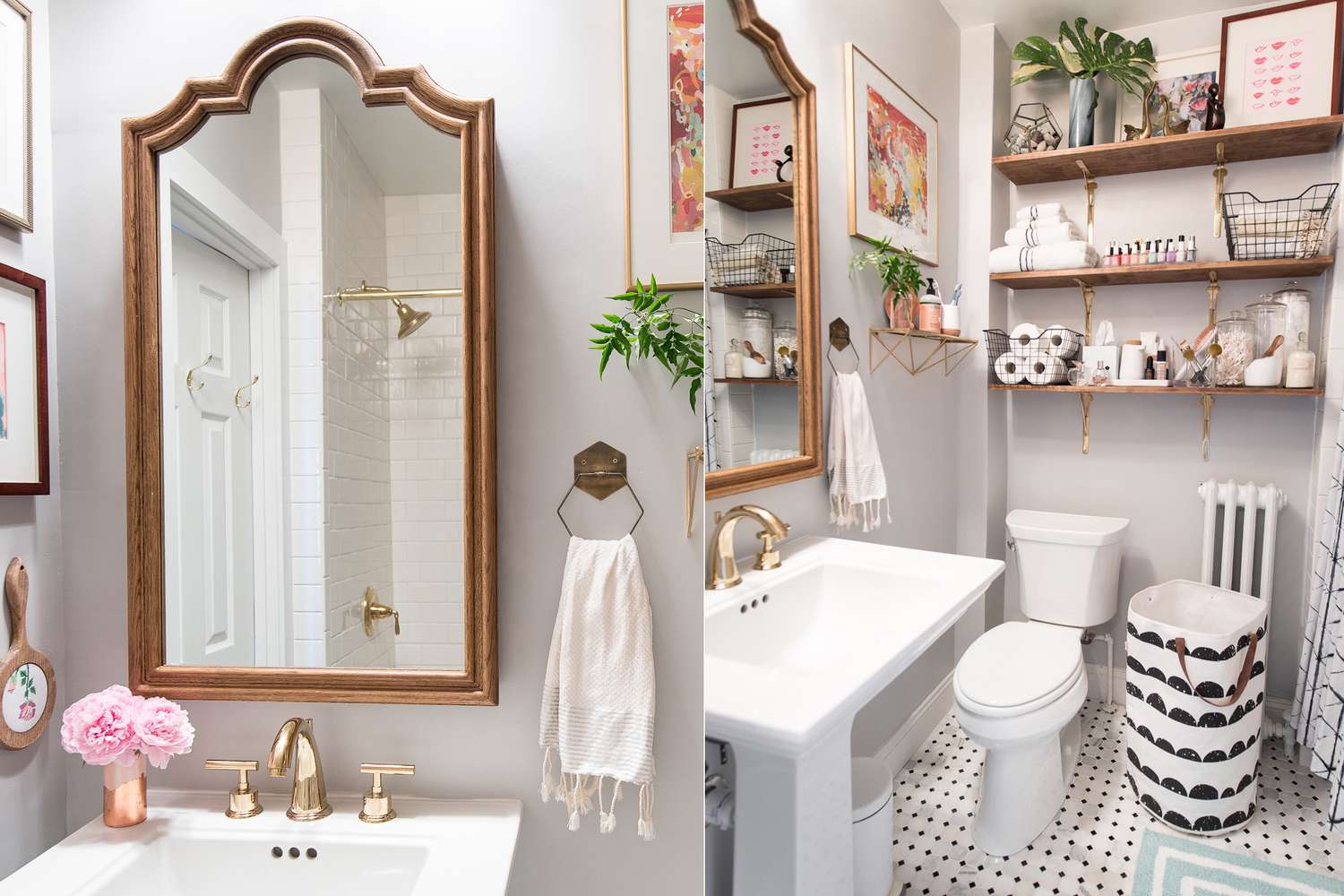
How to Decorate a Small Bathroom with Functional Ideas: The Definitive Guide 2026
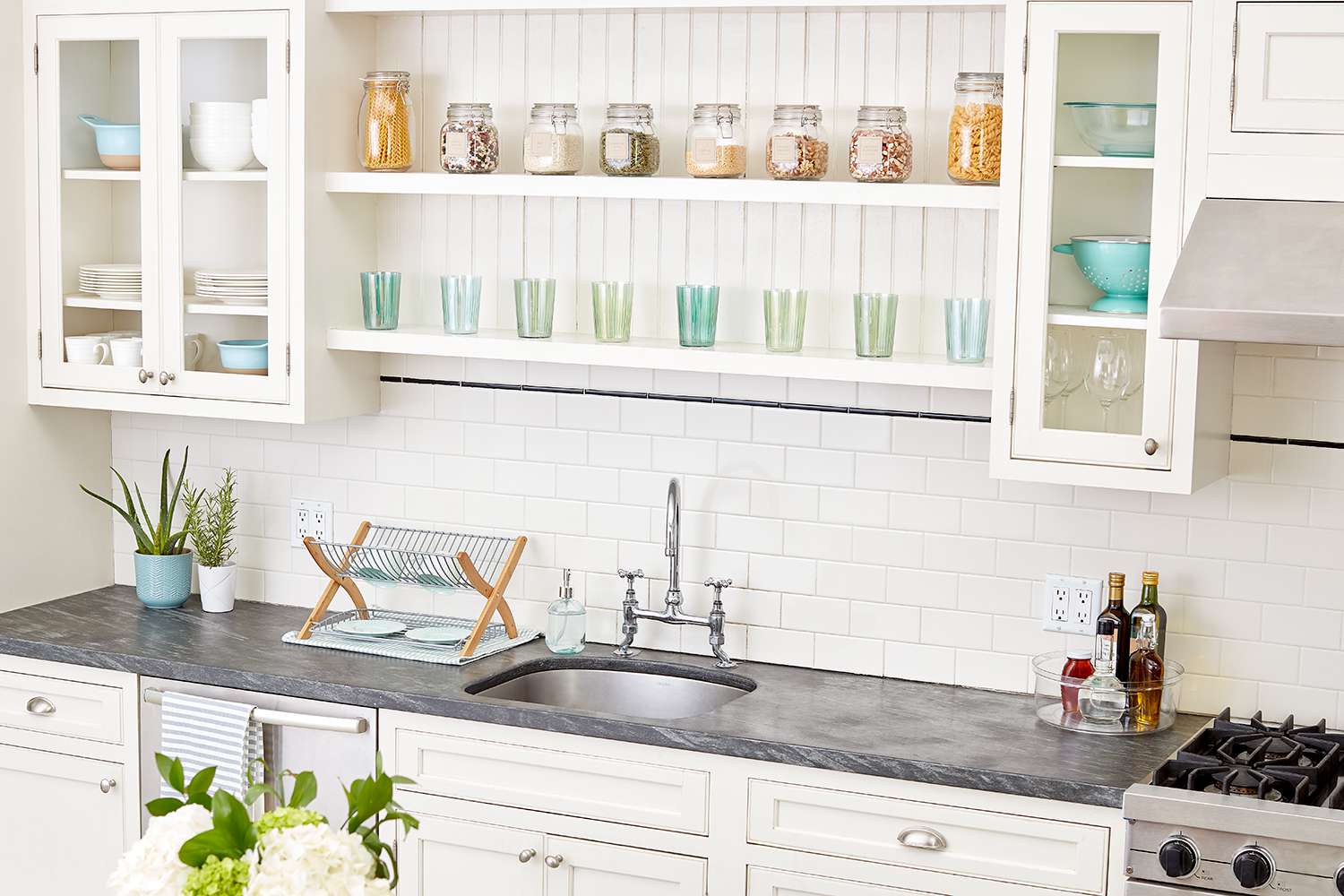
How to Organize Your Kitchen to Make It Look Neat and Modern (Step-by-Step Guide)
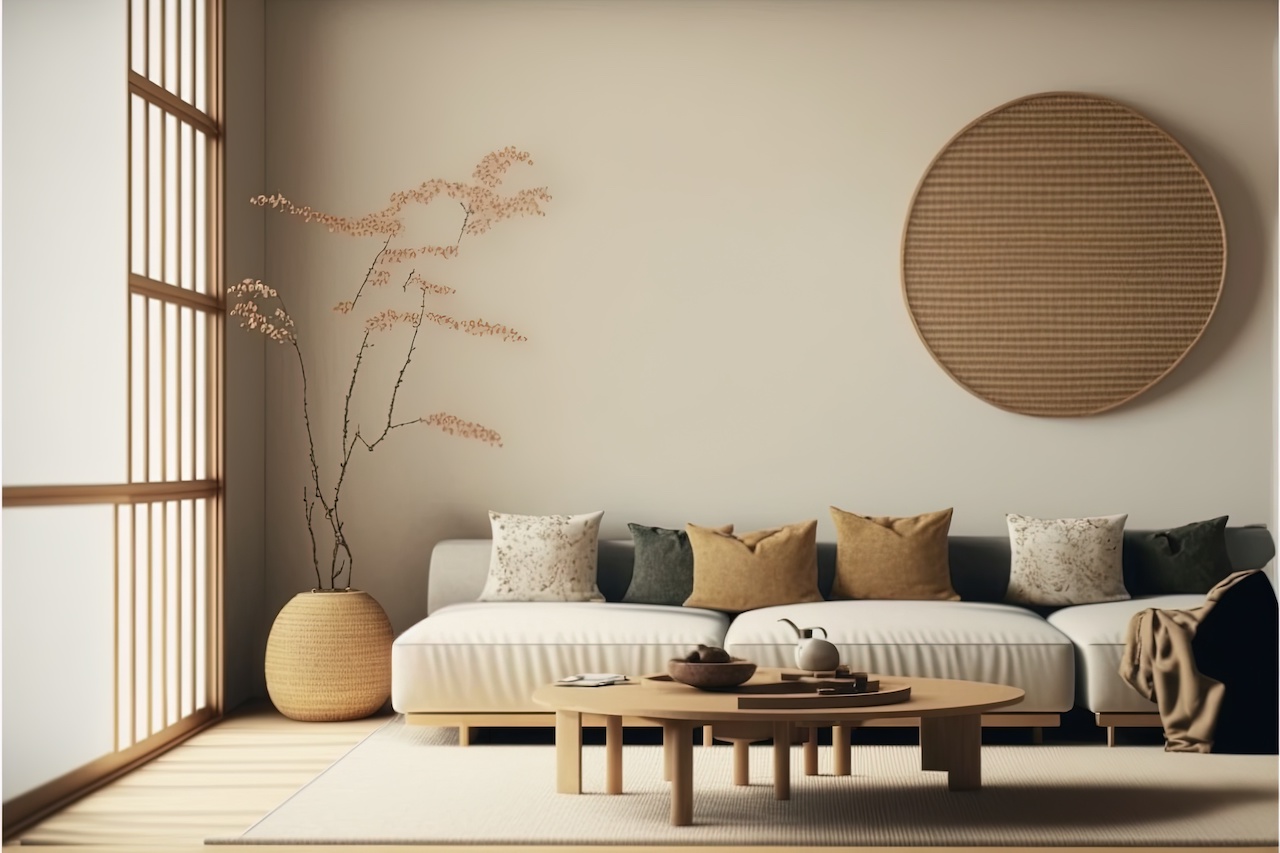
Wabi-Sabi Decor 2025: How to Create Imperfect Yet Elegant Spaces
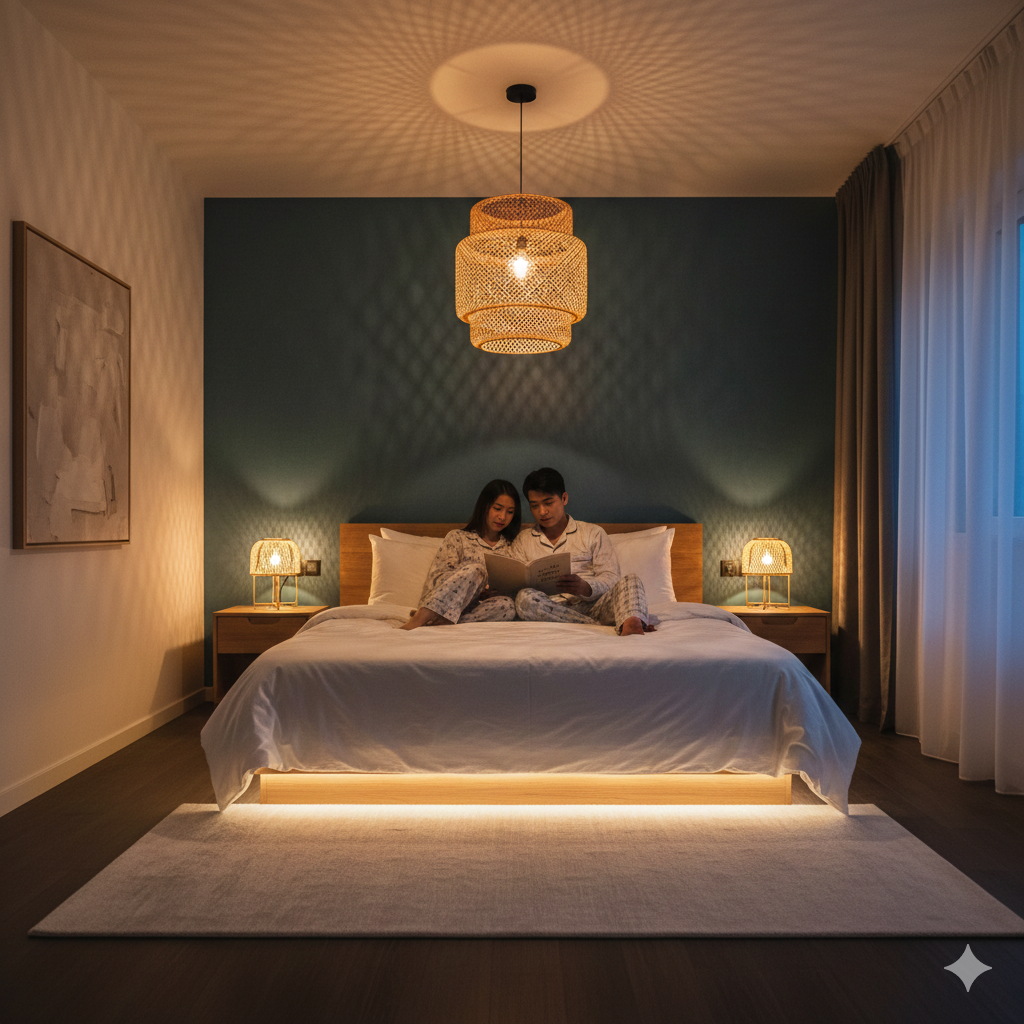
How to Choose the Perfect Lighting for Every Room
DIY Decorating with Natural Wood: 15 Rustic and Modern Ideas
How to Combine Maximalism and Minimalism in Interior Design (2025 Trends)
Sustainable Vintage Decor: Guide to a Trendy Retro-Style Home