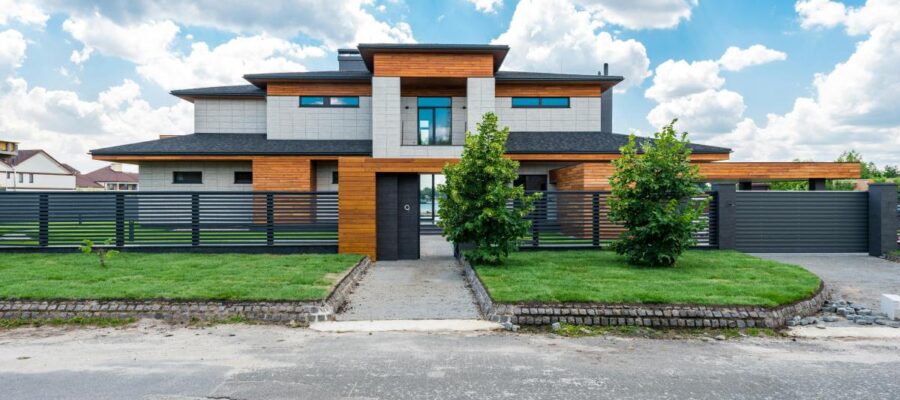
The perimeter of your property is the point where your home’s architecture meets the landscape design. The fence is, therefore, the first impression your home projects. Far from being a mere functional boundary, a well-chosen fence is a powerful design element that defines the property’s style, offers the right degree of privacy, and can even increase the overall aesthetic value.
The choice is not trivial. An enclosure must balance security, durability, and aesthetics. A rustic wooden fence may be perfect for a country house, while a clean, minimalist metal design will be ideal for a modern residence.
This comprehensive guide will take you from the initial decision of style and material (the design phase), to technical tips for a robust installation, and finally, the essential maintenance guidelines to preserve beauty and functionality throughout the years.
🎨 The Design Phase: Choosing the Style and Degree of Privacy
The fence should be a coherent extension of your home’s architectural style and your need for visual isolation.
1. Design Styles and Architecture
| Fence Style | Privacy Level | Key Materials | Compatible With |
| Modern Minimalist | High to Total | Metal (aluminum/steel) in horizontal slats; Polished concrete; Composite wood. | Homes with straight lines, industrial, or contemporary design. |
| Rustic/Traditional | Medium to Total | Wood (cedar, treated pine) with vertical boards or lattices; Dry stone. | Country houses, farmhouse style, or cabins. |
| Classic/Ornamental | Low to Medium | Wrought iron, low fences with decorative posts; Masonry. | Historical properties, colonial, or Victorian style. |
| Landscaping Fence | Low to Medium | Welded wire mesh; Low posts; Green enclosures (hedges, bamboo). | Total integration with the garden; subtle demarcation. |
2. Defining the Degree of Privacy
- Total Privacy (Solid Fence): Requires opaque materials with no gaps (juxtaposed wooden slats, composite panels, concrete wall). Ideal for backyards or pools. Aesthetically, it can feel heavy, so it is often softened with vertical gardening.
- Medium Privacy (Semi-private Fence): Includes gaps or spaced slats. Ideal for front façades where the goal is to filter the view without complete isolation (e.g., horizontal wooden slats with a 1-2 cm gap).
- Visual Demarcation (Low Privacy): Low fences or simple mesh. Its function is to establish a boundary without blocking the view, perfect for properties with good views or open areas.
🌿 Materials and Aesthetics: Balance between Durability and Maintenance
The choice of material is critical, as it affects the visual appearance, durability, and the time you will need to dedicate to maintenance.
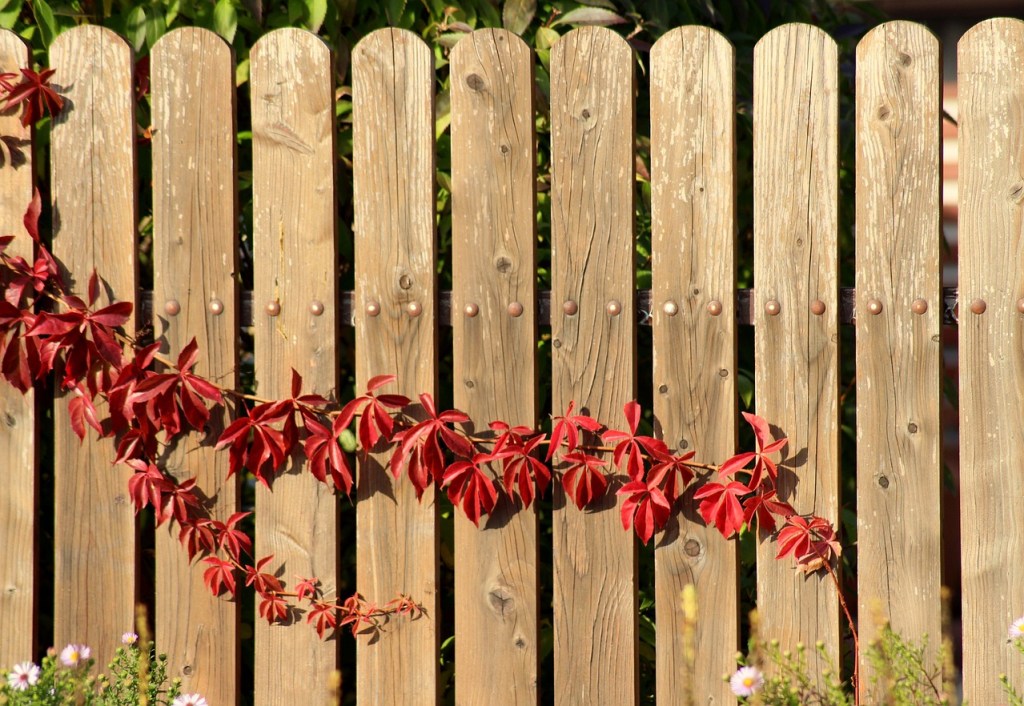
1. Wood (Natural Warmth)
- Aesthetics: Offers unmatched warmth. Cedar or treated pine are popular choices.
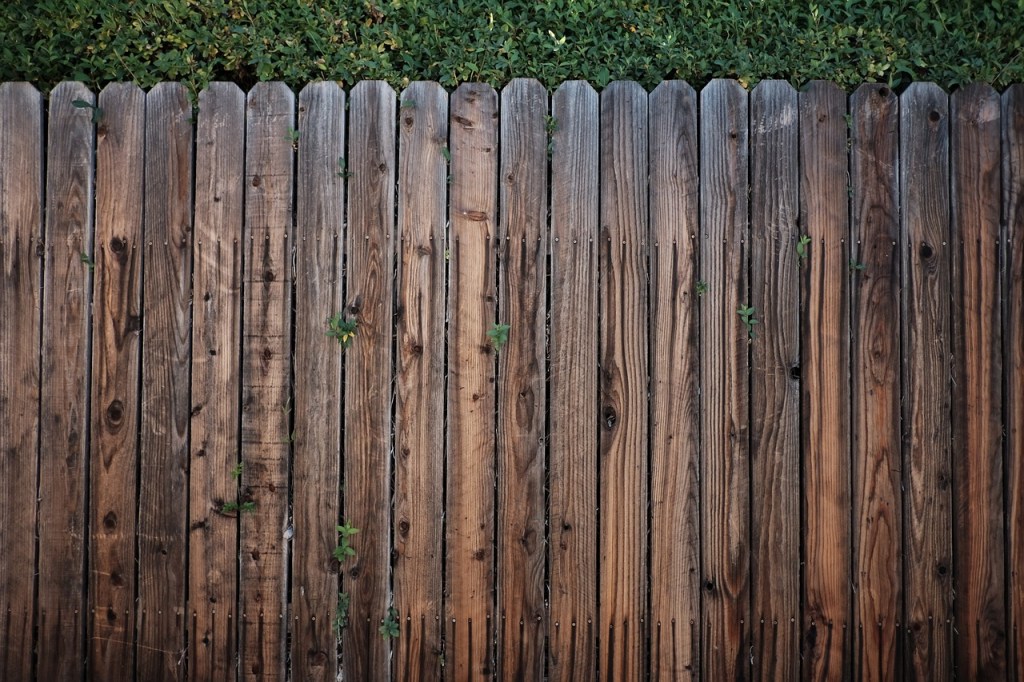
- Maintenance: High. Requires sanding, sealing, or staining every 1-3 years to protect it from moisture, insects, and UV rays, which cause the unsightly silver-gray color.
- Design Tip: Horizontal slats of light-colored wood give a sense of modernity and make the garden appear wider.
2. Metal (Minimalist or Classic Aesthetics)
- Steel/Aluminum: Lightweight, resistant, and very low maintenance. Ideal for minimalist design (smooth, unadorned slats). Aluminum does not rust, making it perfect for coastal areas.
- Wrought Iron: Classic or ornamental aesthetic. Requires periodic maintenance (anti-rust paint) to prevent corrosion, but offers an unmatched look.
- Design Tip: Dark-colored metal (matte black or anthracite gray) makes the fence «blend» into the landscape, allowing the plants and the house to be the focus.
3. Vinyl and Composite (Low Maintenance)
- Aesthetics: They imitate wood but without its deterioration problems. They offer uniform and clean finishes. Vinyl is more industrial; composite (WPC) has textures closer to real wood.
- Maintenance: Very low. They only require cleaning with soap and water. They do not rot, do not rust, and resist UV fading better than untreated wood.
- Design Tip: Excellent for achieving a modern style with total privacy without compromising leisure time.
🛠️ Technical Installation Guide (For Solid Results)
A fence is only as good as its installation. The aesthetic factor depends on the robustness of the foundation.
1. Planning and Legality
- Property Line: Always confirm the exact boundaries of your property before digging.
- Regulations: Check local regulations regarding height, permitted materials, and setbacks from public roads. This is key to the final design and aesthetics.
2. The Foundation: Posts and Footings
The posts are the fence’s skeleton.
- Post Material: Must match the fence type (galvanized steel posts for metal/vinyl; pressure-treated wood for wood fences).
- Depth and Concreting: Posts must be buried to a depth of at least one-third of the fence’s visible height (e.g., a 1.80m fence = 0.60m buried). The concrete must cure for at least 48 hours before hanging the panels.
- Leveling: Precision is vital. Use a spirit level on each post to ensure verticality (plumb) and a guide string line between posts to guarantee uniform height. A small error here will ruin the final line aesthetic.
3. Panel and Gate Installation
- Ground Clearance: Leave a small gap (2-5 cm) between the bottom of the panel and the ground. This allows for material expansion, prevents moisture accumulation (extending the material’s life), and facilitates rainwater runoff.
- Gates: Choose robust, well-designed hinges and latches that complement the fence material (e.g., matte black hinges for modern fences). The gate must have a slight gap to open and close without friction.
💧 Maintenance: Preserving Your Aesthetic Investment
Latest Posts Published
✨ How to Decorate a Windowless Room: 15 Surefire Strategies for Creating a Bright and Cozy Oasis
How to Decorate a Narrow Hallway Without Overwhelming the Space: Complete Guide to Expanding and Modernizing It (2025)
How to Decorate a Small Bathroom with Functional Ideas: The Definitive Guide 2026
How to Organize Your Kitchen to Make It Look Neat and Modern (Step-by-Step Guide)
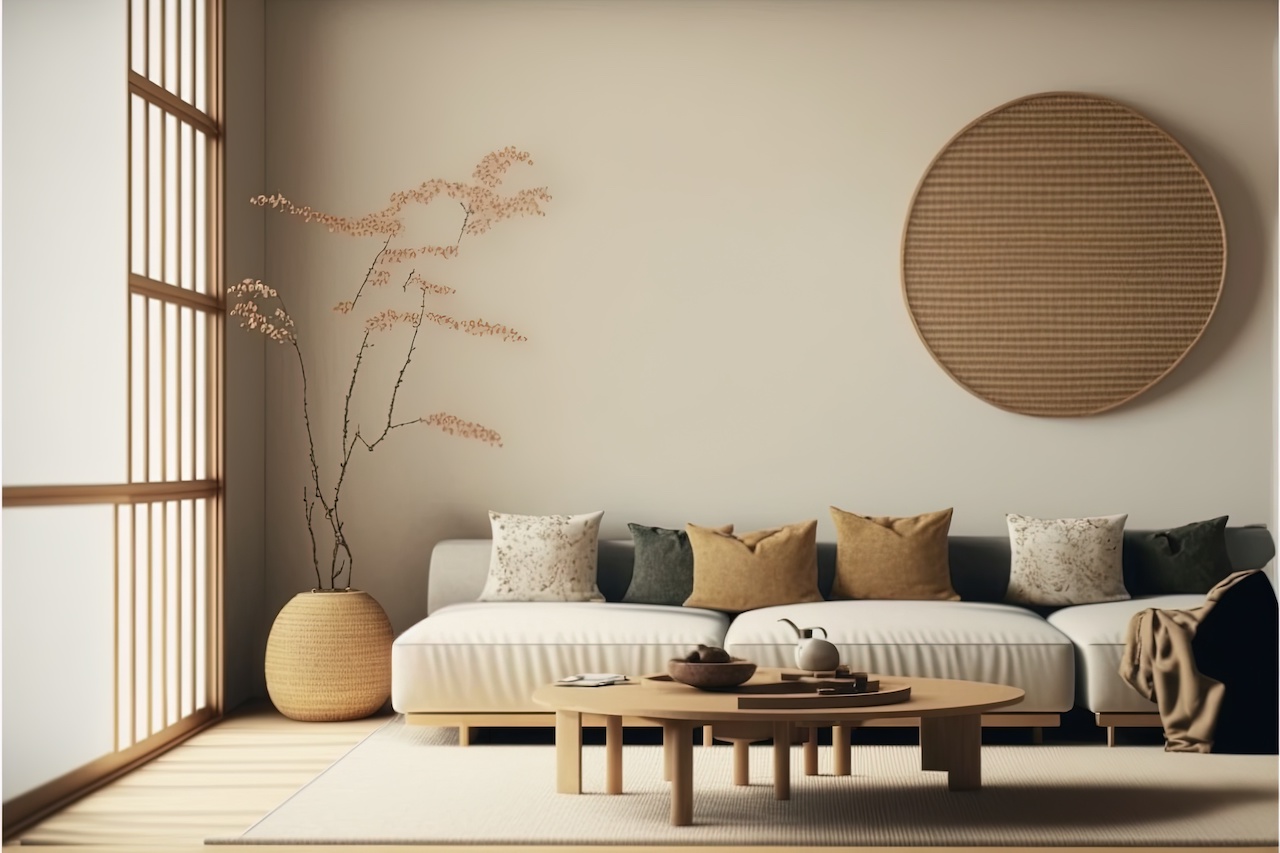
Wabi-Sabi Decor 2025: How to Create Imperfect Yet Elegant Spaces
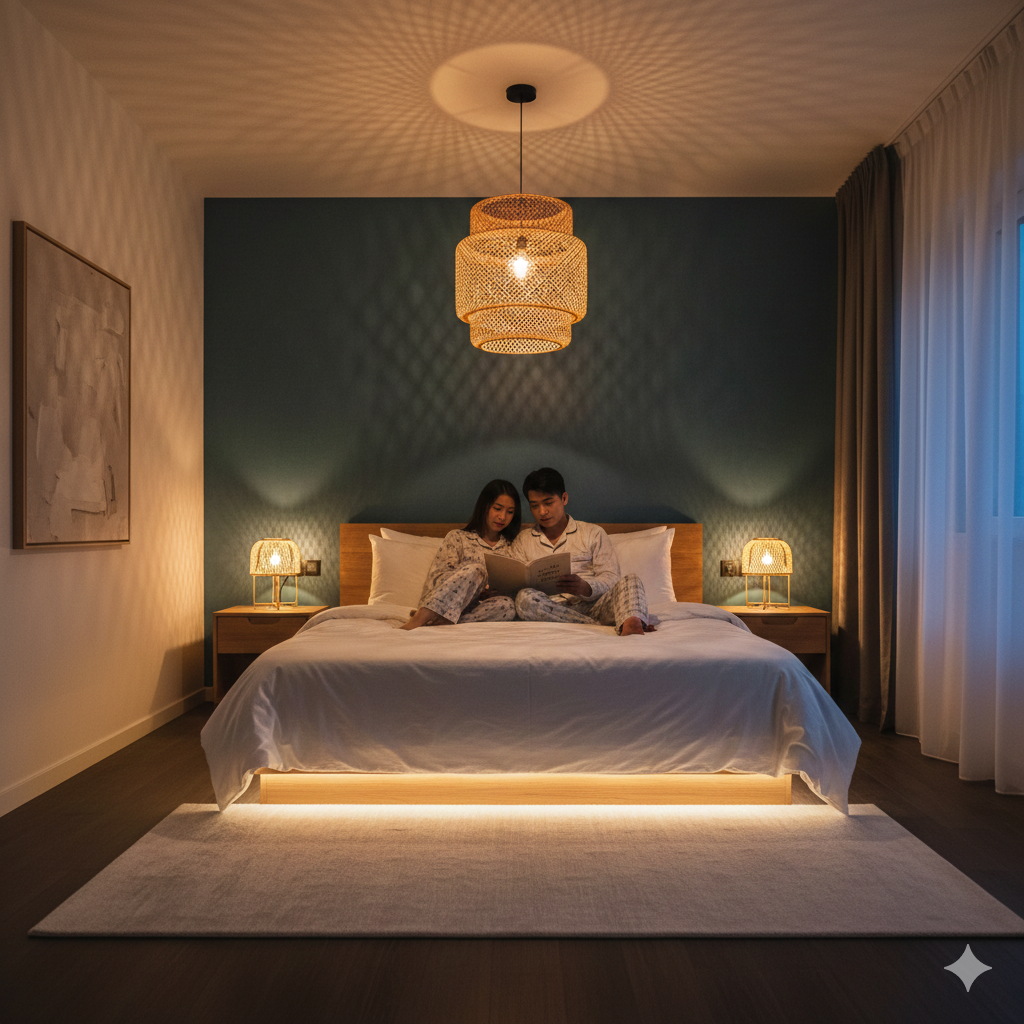
How to Choose the Perfect Lighting for Every Room
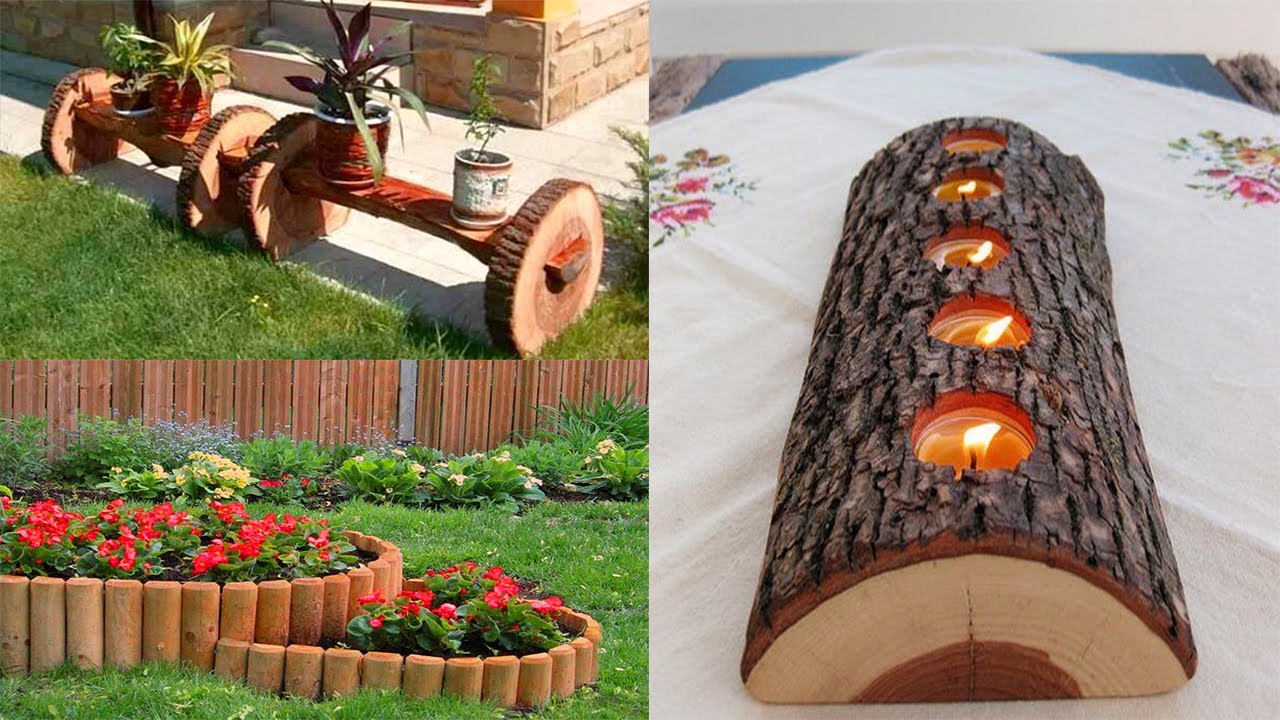
DIY Decorating with Natural Wood: 15 Rustic and Modern Ideas
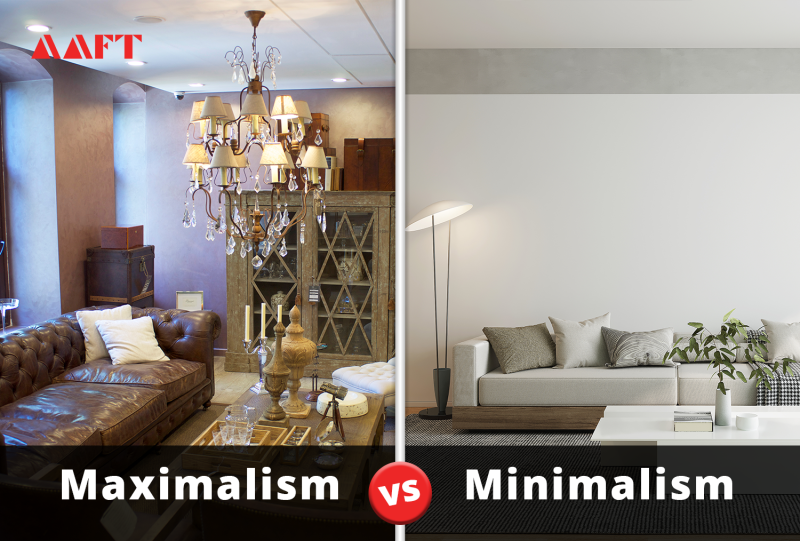
How to Combine Maximalism and Minimalism in Interior Design (2025 Trends)
Sustainable Vintage Decor: Guide to a Trendy Retro-Style Home