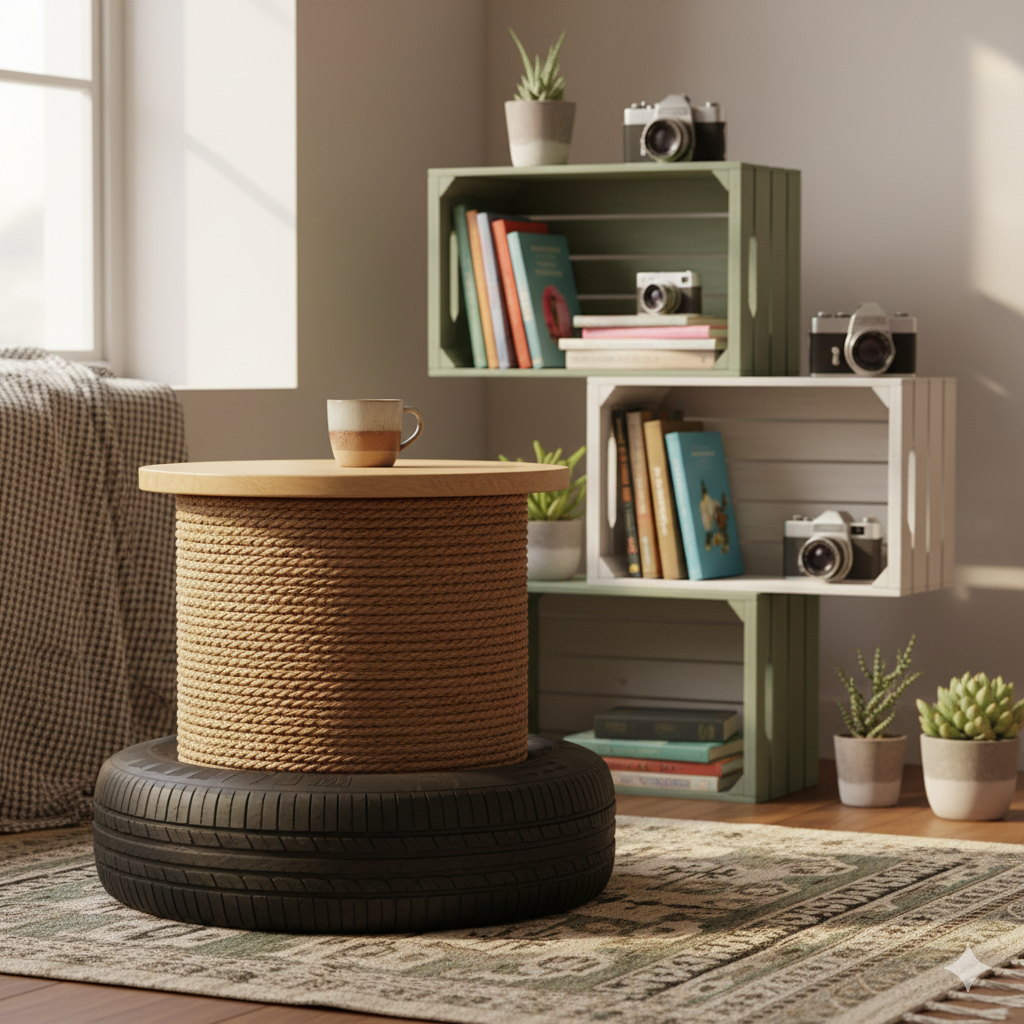
The real problem with modern housing, especially in high-density urban environments, is the feeling of suffocation and the functional chaos caused by inefficient spatial design in small apartments and houses. It’s not just about the lack of square meters, but a poor layout that prevents a comfortable life flow, effective organization, and the ability to perform multiple activities without one invading the other. The central challenge is: How can we transform a small, poorly structured space into a functional, visually expansive home that adapts to the changing needs of its inhabitants?
I. 💡 The Problem Diagnosis: Spatial Inefficiency and Chaos
Before the cure, the diagnosis. The main mistake in small homes is over-compartmentalization and the choice of unsuitable furniture.
-
Unnecessary Hallways and Rigid Walls: Hallways are, by definition, transitional spaces that consume square meters without adding direct functionality. Older layouts often rigidly separate the kitchen, living room, and dining room, drastically reducing the perception of spaciousness and blocking natural light—another key factor for the feeling of space.
-
Oversized or Monofunctional Furniture: An overly large sofa, a solid coffee table, or several small pieces of furniture instead of one large, multifunctional piece visually and physically clutter the space, hindering movement and order.
-
Wasted Storage: Leaving vertical areas (walls up to the ceiling) and corners (corners, under stairs, headboards) empty is a spatial crime in small apartments. Clutter is the number one enemy of spaciousness, and the lack of efficient storage perpetuates it.
II. 🏗️ Functional Layout: The Fusion of Spaces as a Solution
Space optimization begins with the restructuring of the layout. Fluidity and flexibility are the keys.
1. The Open Plan: The Heart of the Home
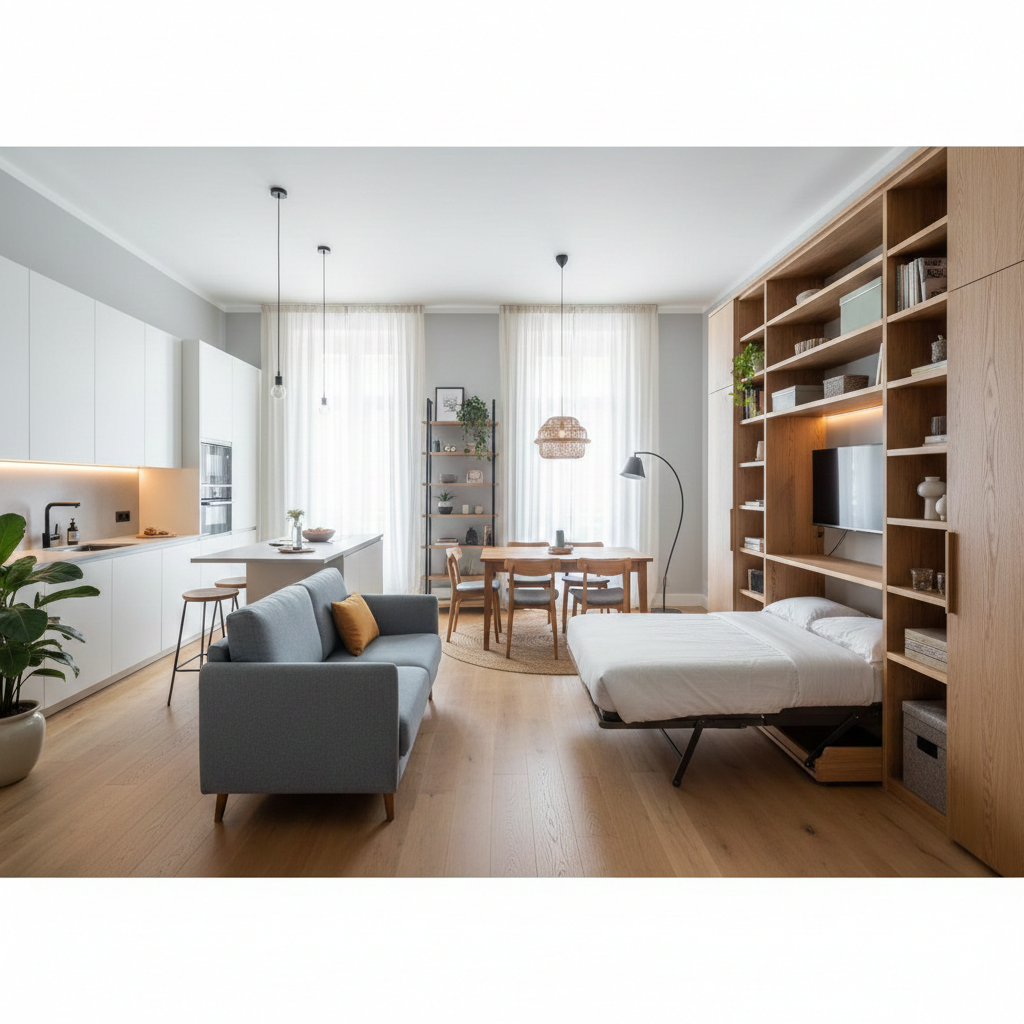
The most radical and effective solution is the Open Concept. Eliminating non-structural partitions between the kitchen, living room, and dining room merges the daytime areas, creating a single environment that is perceived as substantially larger and allows natural light to circulate unobstructed.
-
Subtle Zoning: To avoid the feeling of «being in a single room,» use subtle elements to delimit functions without erecting walls:
-
Rugs: Define the living or dining area.
-
Double-sided furniture: An open bookshelf or a low cabinet can serve as a separation between the living room and the work area.
-
Difference in heights or materials: A change in flooring (e.g., tile in the kitchen and wood in the living room) or a breakfast bar visually separates the areas.
-
2. Goodbye to Swing Doors
Traditional doors consume a considerable swing radius that often interferes with furniture placement. Replace them with sliding doors or pocket doors (which hide inside the wall). In rooms where privacy is not paramount (such as the transition between the living room and the kitchen in an open space), consider using light room dividers such as screens, vertical slats, or textile curtains, which offer flexibility and constant light flow.
3. Priority Circulation (The Work Triangle)
When planning the layout, the priority must be transit or circulation between the key areas, leaving clear and wide passageways. In the kitchen, apply the work triangle principle (refrigerator, sink, and stove) to minimize movements. In the living room, ensure the main path does not cross the conversation or TV area. It is fundamental to accurately measure the passage dimensions to avoid functional errors.
III. 🛋️ Smart and Multifunctional Furniture
Once the layout is defined, furniture must be an ally, not an obstacle. Opt for multifunctionality and appropriately sized pieces with high legs.
1. The Space-Saving Heroes
-
Sofa Beds and Storage Ottomans: Pieces that fulfill a double function (seating and extra bed/storage) are essential. An ottoman can be extra seating, a side table, and a storage chest for blankets.
-
Fold-Down or Extendable Tables: A dining table that folds against the wall or extends only when guests are present frees up an enormous amount of space. In a home office, folding desk tables are perfect for creating an office only during work hours.
-
Lift-Up or Wall Beds: In very small bedrooms, a wall bed that hides in a cabinet during the day converts the bedroom into an office, playroom, or gym. Beds with integrated storage or drawers offer invaluable storage.
2. Vertical Utilization: Floor to Ceiling
The wall space above eye level is entirely wasted in most homes.
-
Floating Shelves and Built-in Wardrobes: Install shelving or bookcases that run from floor to ceiling to maximize vertical storage without visually overwhelming the space. Built-in wardrobes are much better than freestanding ones, as they integrate into the architecture and seem to disappear, unifying with the wall.
-
Overhead Cabinets and Bridge Furniture: In hallways or over the bed/doors, bridge furniture or the creation of overhead cabinets adds hidden storage for seldom-used items (suitcases, seasonal bedding).
IV. 🎨 Optical Illusions and Aesthetic Details
A functional layout must be accompanied by an aesthetic that enhances the feeling of spaciousness.
1. The Magic of Color and Texture
Light and neutral colors (white, light gray, beige) on walls and ceilings are the most powerful tool for reflecting light and making walls seem to recede, creating the illusion of a larger space.
-
Unification and Contrast: Maintaining a uniform color palette across several rooms creates a sense of continuity and fluidity. A ceiling painted a slightly lighter shade than the walls also makes the room appear taller.
-
Strategic Mirrors: A mirror is like a window: it reflects natural light and the rest of the room, visually doubling the space. Place large mirrors on key walls or in narrow hallways to «open them up.»
2. Lighting and Transparency
Poor lighting can ruin the best layout, creating dark corners that reduce the space.
-
Clear Natural Light: Ensure that windows are unobstructed. Use light, translucent curtains that allow maximum light passage.
-
Layered Artificial Light: Avoid a single powerful overhead light. Combine recessed lights or wall sconces (which do not take up floor space) with floor or table lamps that add ambiance. Indirect lighting and accentuation of corners clear shadows.
-
Glass Elements: Glass or crystal doors between rooms (such as an office or even a bathroom with little light) allow light to flow while maintaining physical separation. Coffee tables with glass tops also lighten the visual load in the living room.
V. 🎯 Practical Focus and Maintenance
Space optimization is an ongoing task. The key to long-term success lies in constant order and decluttering.
-
Prioritize Traffic: The floor should be as clear as possible to facilitate movement. Avoid small rugs that cut off the space or furniture that invades the path.
-
Functional Minimalism: In small spaces, less is more. Eliminate excessive ornaments and opt for large, impactful decorative pieces instead of many small pieces that create visual noise. Every object must have an assigned storage place to prevent clutter.
Space Optimization and Functional Layout are not just design trends; they are residential engineering solutions that solve the problem of compact living, transforming limitation into an opportunity for intelligent design. By adopting an open-plan approach, choosing furniture that works double duty, and using color and light as visual amplification tools, any home, no matter how small, can become a space that is not only habitable but genuinely comfortable, efficient, and welcoming.
Latest Posts Published
✨ How to Decorate a Windowless Room: 15 Surefire Strategies for Creating a Bright and Cozy Oasis
How to Decorate a Narrow Hallway Without Overwhelming the Space: Complete Guide to Expanding and Modernizing It (2025)
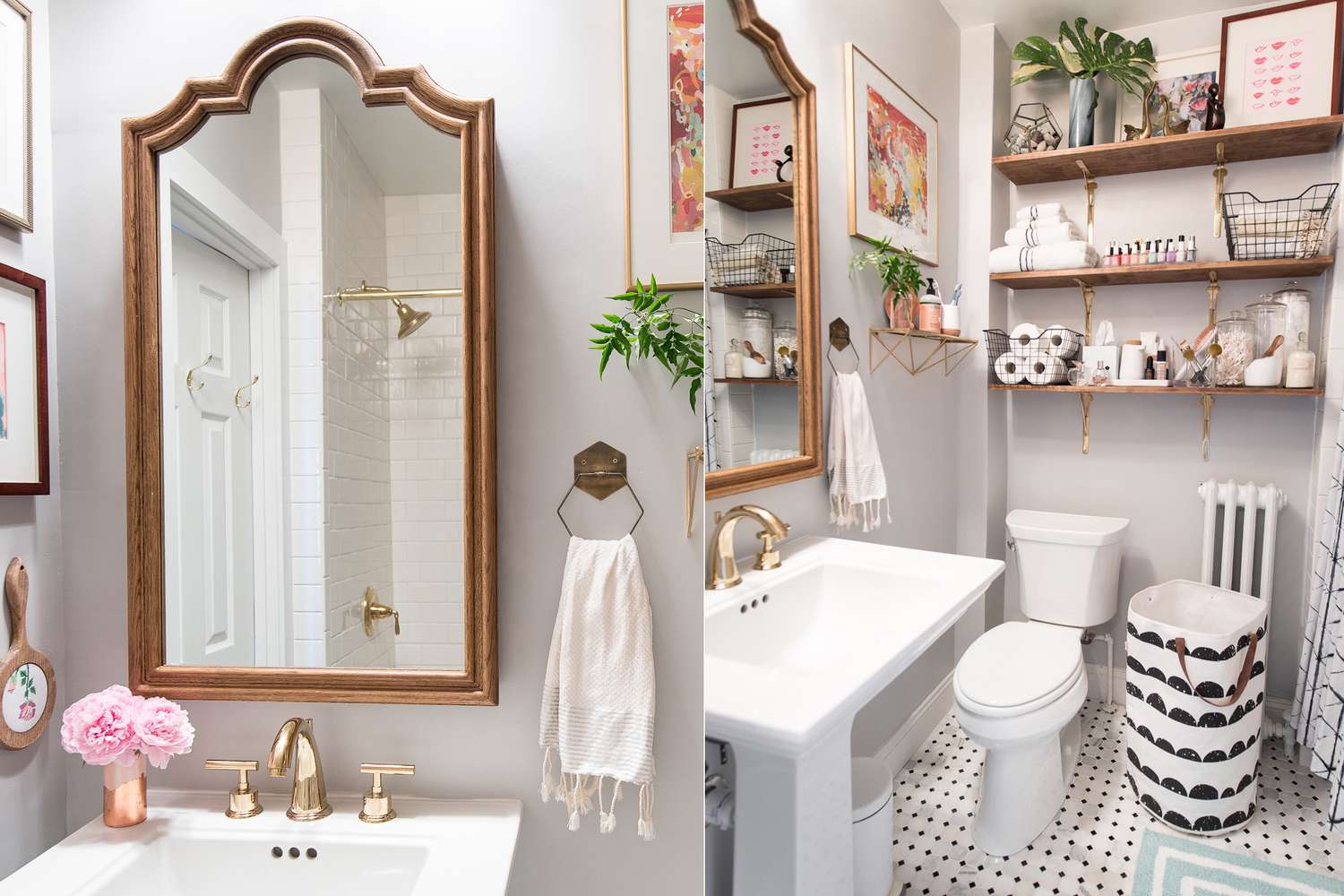
How to Decorate a Small Bathroom with Functional Ideas: The Definitive Guide 2026
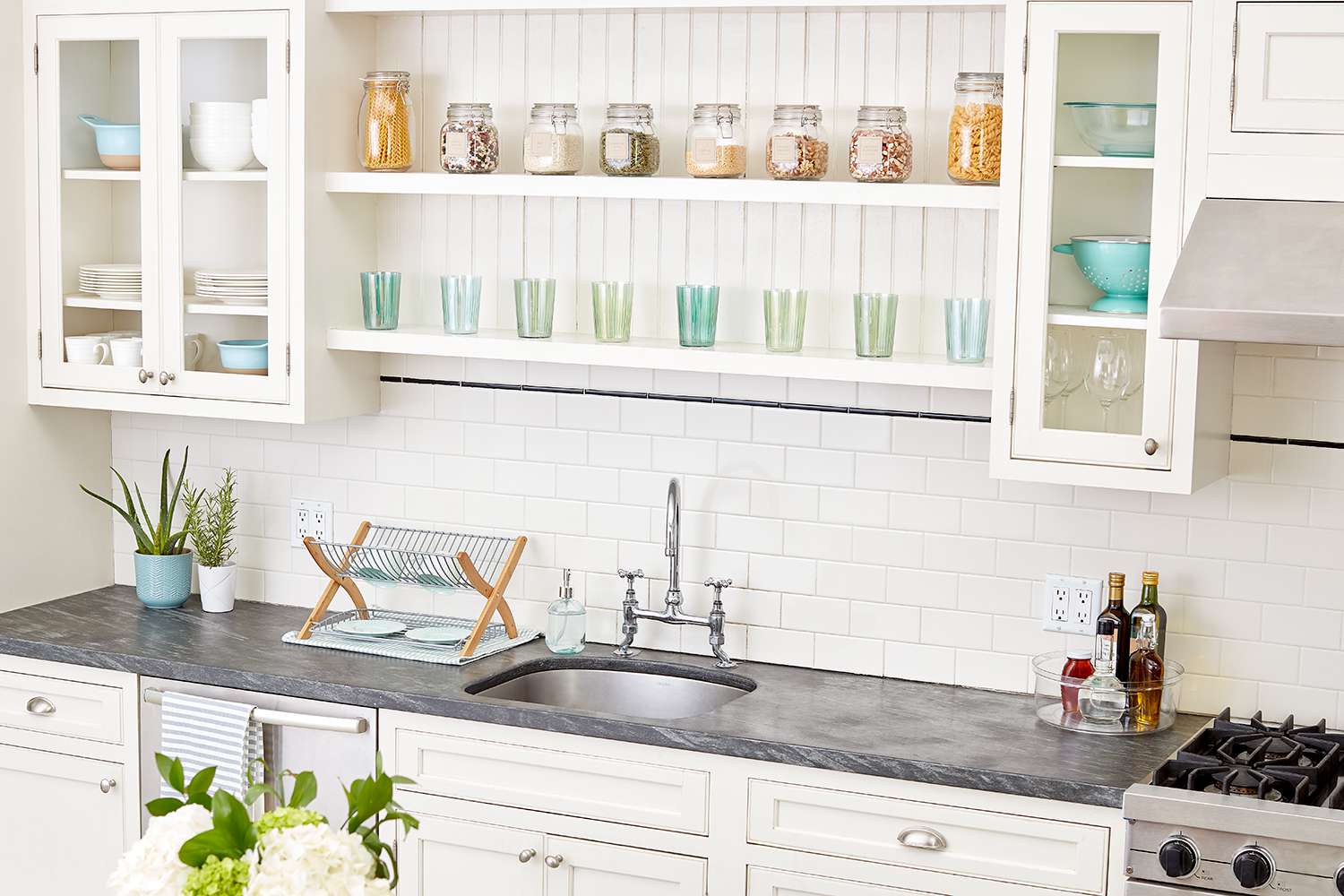
How to Organize Your Kitchen to Make It Look Neat and Modern (Step-by-Step Guide)
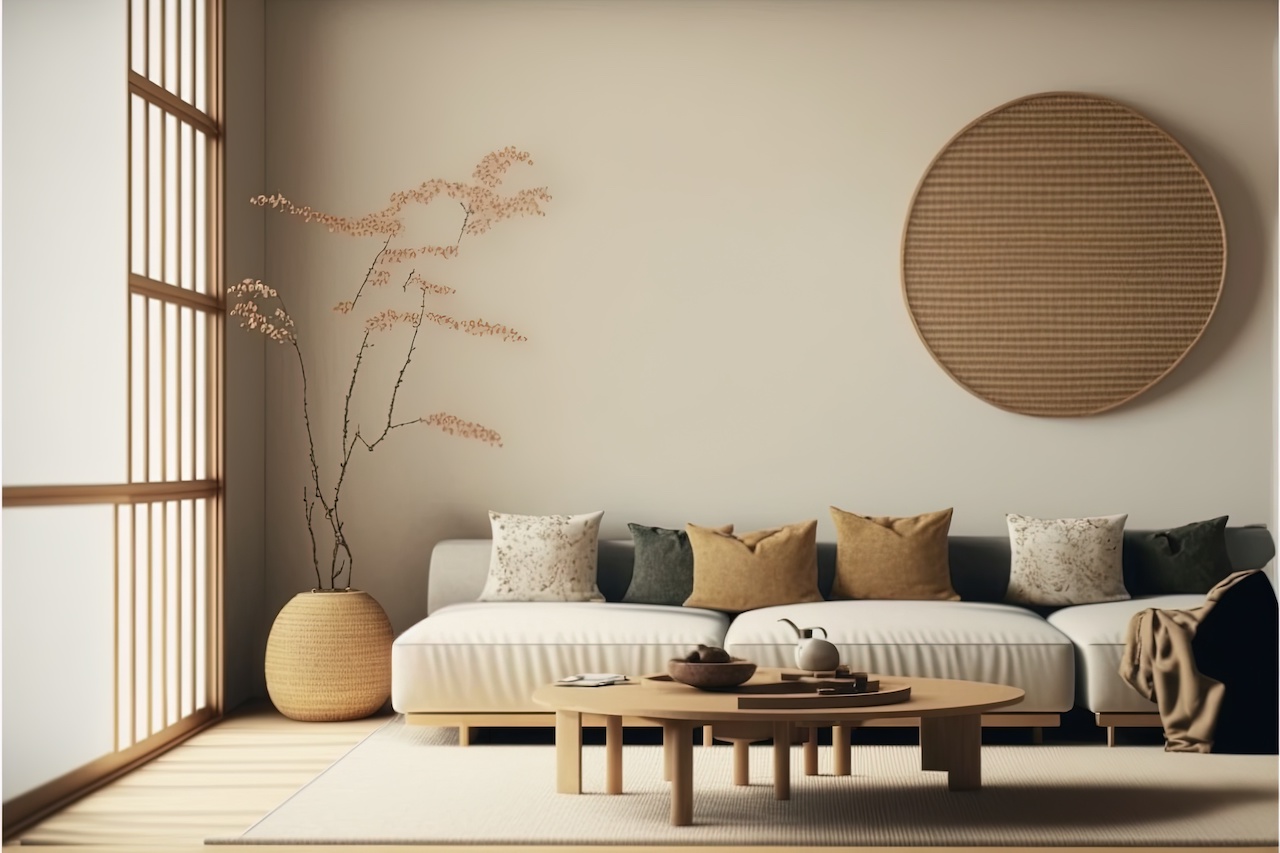
Wabi-Sabi Decor 2025: How to Create Imperfect Yet Elegant Spaces
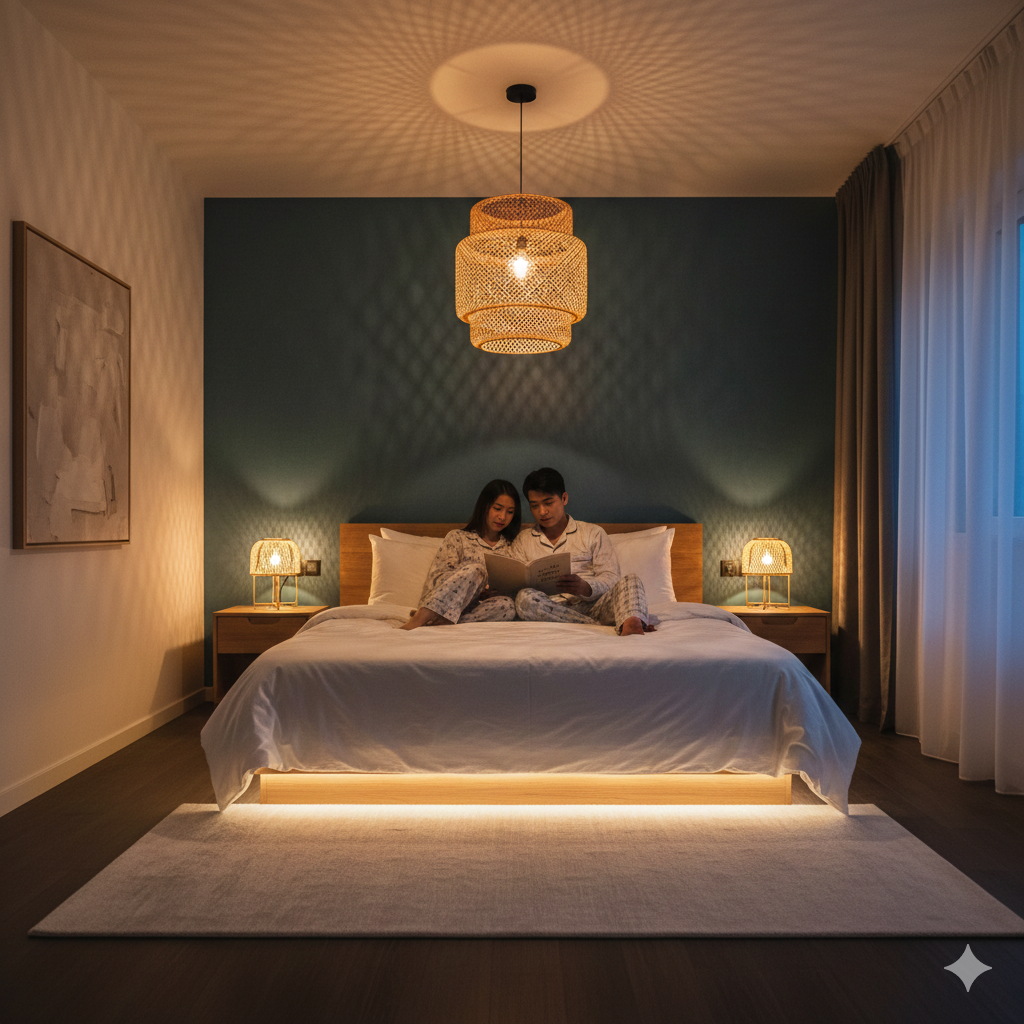
How to Choose the Perfect Lighting for Every Room
DIY Decorating with Natural Wood: 15 Rustic and Modern Ideas
How to Combine Maximalism and Minimalism in Interior Design (2025 Trends)
Sustainable Vintage Decor: Guide to a Trendy Retro-Style Home