In exterior design, the trend leans toward using raw, authentic, and low-maintenance materials. The concrete block (or cinder block) fits perfectly into this philosophy. This material, traditionally reserved for structural purposes, has become a key element in creating planters, space dividers, and even outdoor furniture in DIY projects with a major aesthetic impact.
The beauty of using concrete blocks lies in the powerful contrast generated by their gray, geometric, and cold texture against the organicity, color, and life of the plants. This dialogue between the industrial and the natural is the essence of contemporary landscaping.
A block planter is not just a solution for containing soil; it is a modular design structure that allows you to create varying heights, zone spaces, and define the character of your patio or garden.
This comprehensive guide will teach you how to take advantage of the modularity and resistance of concrete, covering everything from the most innovative design ideas and material selection, to the step-by-step installation and landscaping tips for achieving that modern and durable look.
📐 Design Versatility: Creating Modular Structures
1. Elevated Planters and Tiered Growing Beds
Elevated planters are ideal for preventing plants from mixing with the ground and for creating focal points.
- Height Design: By simply stacking the blocks (without mortar for low structures), you can create planters of different heights. This is perfect for zoning, delimiting a dining area from a lawn area.
- Staggered Planting: You can create steps or zigzag patterns that are visually very attractive. Leave the block cavities free to plant succulents or small flowers in the vertical wall of the planter.
2. Integrated Benches and Seating
By building a double-layer planter (two blocks wide), the top naturally converts into a sturdy, modern-style bench.
- Industrial Comfort: Cover the top layer of blocks with a thick wooden board (cedar or teak) to create a comfortable seat and contrast the coldness of the concrete.
- Integration: The bench and the planter become a single piece of landscape design furniture.
3. Green Walls and Structural Dividers
For large gardens, blocks can be used to create low walls that act as visual delimiters between different zones (e.g., separating the pool area from the barbecue area).
- Minimalist Design: Concrete creates a clean, horizontal line that is very popular in contemporary landscaping, acting as the «frame» for the vegetation it contains.
🧱 Materials and Aesthetics: The Coldness of Concrete and the Contrast of Nature
Concrete has a powerful aesthetic that needs to be either softened or enhanced by the choice of finishes and plants.
1. The Block Choice
- Standard Blocks (Cinder or Cement): These are the most common and economical. Their rough, porous surface is perfect for a 100% industrial or rustic look.
- Polished Concrete Blocks (Decorative Blocks): They have a smoother, more uniform surface. They are ideal if you are looking for a minimalist and very clean style (less rustic).
2. Finishes and Color
Although gray is the industrial color par excellence, you can manipulate the aesthetic:
- Exterior Paint: Painting the blocks matte white (Nordic style) or matte black (elegant and dramatic style) allows you to integrate the planter with the color of the house or exterior furniture.
- Wood Cladding: To soften the industrial aesthetic, clad the exterior face of the planters with pallet wood slats or composite wood. The contrast between the rough texture (concrete) and the warm texture (wood) is highly sophisticated.
3. The Plant Contrast
The choice of plants is the essential counterpoint to the concrete:
- Modern Style: Use plants with large leaves and geometric shapes (Palms, Agave, Sansevieria) to reinforce the architectural style. Dark green against gray creates a very striking color contrast.
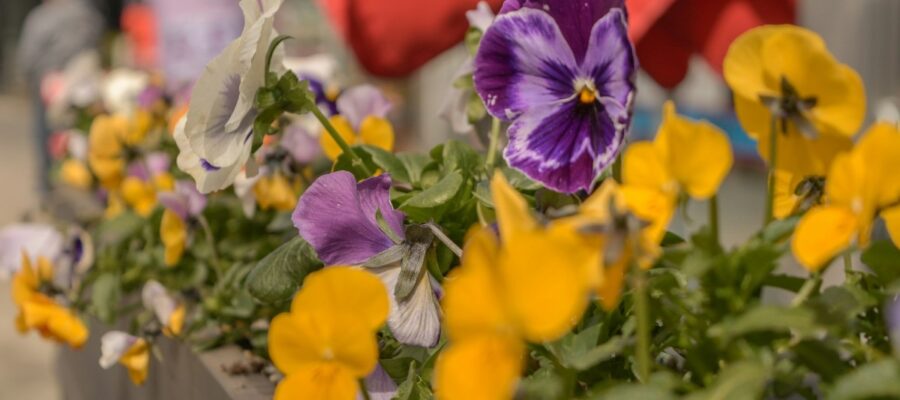
- Boho/Natural Style: Soften the edges with hanging or groundcover plants that spill over the concrete texture (Sedum, Ivy, Spider Plants).
- Plants in the Cavities: If you leave the block cavities visible, use them to plant succulents or cacti that require little maintenance and add an unexpected detail to the vertical wall.

🛠️ DIY Guide: Construction and Drainage for Durability
The installation of a block planter is relatively simple but requires attention to drainage to ensure plant health and structural stability.
1. Base Preparation (Stability)
- Level Surface: The base (whether soil or patio) must be clean and level. For large planters or retaining walls, a simple base of compacted gravel is recommended.
- First Layer: Lay the first layer of blocks. For structures more than 3 layers high or those acting as a retaining wall, it is recommended to secure the blocks with construction adhesive or mortar to ensure long-term stability.
2. The Crucial Factor: Drainage
Stagnant water will rot the roots and degrade the concrete. Drainage is the key to maintenance.
- Gravel Base: Before adding soil, place a generous layer (at least 10 cm) of gravel, small stones, or expanded clay at the bottom of the planter. This allows excess water to filter away from the roots.
- Geotextile Fabric: It is essential to line the interior of the planter with a geotextile fabric. This prevents soil and fine particles from mixing with the gravel and clogging the drainage, allowing water to pass freely.
3. Filling and Finishing
- Quality Soil: Use a soil mix specific to the type of plants you are going to grow.
- Final Touch: Cover the top layer of soil with a layer of mulch (pine bark, wood chips) or decorative stones. This not only adds a professional finish but also helps retain moisture and control weeds.
Maintenance: Preserving Industrial Aesthetics
The concrete block planter is very durable, but proper maintenance is necessary to preserve the designer look:
- Efflorescence (White Stains): Concrete can develop white stains (efflorescence) due to salt migration. These can be removed by scrubbing with a mild solution of water and vinegar (a gentle acid).
- Color Care: If the blocks are painted, an annual paint touch-up will help maintain color uniformity.
- Annual Cleaning: Cleaning with a hose or pressure washer will remove moss or mildew that tends to grow on the porous surface of the concrete, especially in humid climates.
The concrete block planter is the perfect canvas for a DIY exterior design. By mastering the modularity of the material and the contrast with the vegetation, you transform a simple corner of your garden into an industrial style statement—durable and fully functional.
Latest Posts Published
✨ How to Decorate a Windowless Room: 15 Surefire Strategies for Creating a Bright and Cozy Oasis
How to Decorate a Narrow Hallway Without Overwhelming the Space: Complete Guide to Expanding and Modernizing It (2025)
How to Decorate a Small Bathroom with Functional Ideas: The Definitive Guide 2026
How to Organize Your Kitchen to Make It Look Neat and Modern (Step-by-Step Guide)
Wabi-Sabi Decor 2025: How to Create Imperfect Yet Elegant Spaces
How to Choose the Perfect Lighting for Every Room
DIY Decorating with Natural Wood: 15 Rustic and Modern Ideas
How to Combine Maximalism and Minimalism in Interior Design (2025 Trends)
Sustainable Vintage Decor: Guide to a Trendy Retro-Style Home