The bathtub has evolved from being a simple sanitary fixture to becoming the epitome of luxury and relaxation within the home. It is, by definition, the focal point of any master bathroom or designer suite. However, its impact on the layout and aesthetics is enormous, so the decision about its size should not be taken lightly.
A bathtub that is too large can overwhelm a space and make it feel cramped. One that is too small can ruin the experience of comfort. The key lies in finding the perfect balance between the dimensions of your bathroom, the decorative style you are seeking, and, fundamentally, your own ergonomics.
This guide moves beyond simple measurements to focus on design. We will explore the different typologies of bathtubs and their dimensions, how to manipulate the visual space with their shape and material, and the practical considerations to ensure that your choice is a long-term investment in the comfort and design of your home.
📐 Standard Dimensions and Types: The Starting Point for Design
Even though personalization is the trend, standard dimensions serve as the basis for space planning. Bathtub size is defined by three critical measurements: length, width, and depth.
1. Typical Dimensions by Category
| Bathtub Type | Standard Length (L) | Standard Width (W) | Minimum Depth (D) | Ideal for… |
| Compact Bathtub | 140 cm to 150 cm | 70 cm to 75 cm | 38 cm | Small bathrooms, daily-use solutions. |
| Standard Bathtub | 160 cm to 170 cm | 70 cm to 80 cm | 40 cm | Most master bathrooms, comfort-space balance. |
| Large/XL Bathtub | 180 cm to 200 cm+ | 80 cm to 100 cm+ | 45 cm+ | Luxury bathrooms, master suites, maximum comfort. |
| Corner Bathtub | 135×135 cm to 150×150 cm | Variable | 40 cm | Optimizing corners, functional L-shaped design. |
2. The Impact of Depth
Length is crucial for stretching out, but depth (from the bottom to the overflow) is the factor that truly defines luxury. A bathtub with a depth of 45 cm or more allows for complete body immersion, elevating the bathing experience to a spa level. Modern bathtubs are usually deeper than older models.
🛀 Types of Installation: Defining the Style of the Bathroom
The choice of installation type defines whether the bathtub blends into the space or becomes a sculptural element.
1. Built-in Bathtubs (Maximum Integration)
These are the traditional option, installed in an alcove and surrounded by tiles or cladding.
- Design: Ideal for classic or minimalist bathrooms where the tub should not be the focal point but a functional, integrated piece.
- Optimization: They are the most efficient in narrow bathrooms, as having one side against the wall minimizes the space occupied. They allow for the creation of a surrounding rim (made of marble or wood) for storing accessories.
2. Freestanding Bathtubs (Sculptural Luxury)
Separated from the walls, they have become the symbol of a luxury bathroom.
- Design: They are a sculptural piece that requires space to be appreciated from all angles. They need at least 45 cm to 60 cm of separation from the walls to facilitate cleaning and create a visual impact.
- Required Space: Ideal for large bathrooms (more than 8 m²). Their length varies from 150 cm (compact models) to 180 cm or more. The choice of material (glossy white acrylic, matte resin, or cast iron) defines the style (classic, mid-century, or modern).
3. Corner or Asymmetrical Bathtubs (Creative Functionality)
Designed to take advantage of the layout of less conventional bathrooms.
- Design: They offer a practical solution in spaces where a straight bathtub would block the way. The shape of corner tubs maximizes the internal bathing space, even though they occupy a large square footage on the floor plan.
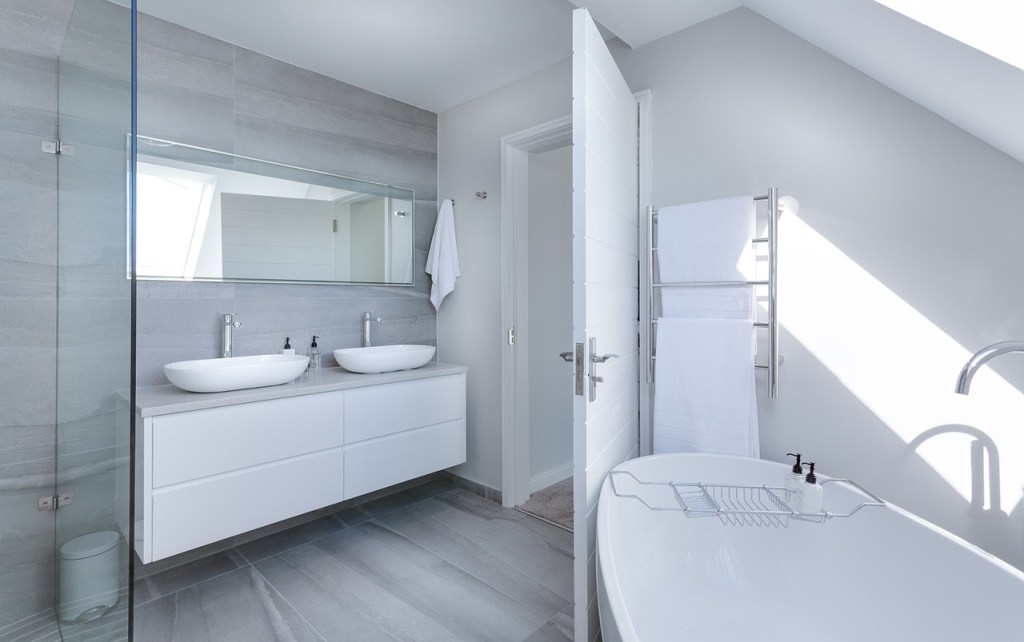
🧍 Ergonomics and Comfort: Size According to the User
A bathtub must be comfortable for the person who will use it. The choice of length is not decorative; it is personal.
1. The Height Factor
- For Tall People (over 1.85 m): A bathtub of 180 cm or more is essential to be able to stretch the legs. The slope of the backrest and the position of the drain are also crucial (centered drains offer greater posture flexibility).
- For Shorter People or Children’s Use: A bathtub of 150 cm or even 140 cm is sufficient. Too long can make it uncomfortable to lean back.
2. The Width (The Importance of Shoulders)
The standard width is 70-75 cm. For a luxury bath, where comfort is paramount, a width of 80-90 cm allows for a more comfortable position for the shoulders and elbows, creating a «spa» and luxury feel. This is a key factor in freestanding bathtubs.
3. The Double or Double Ended Bathtub
Designed for two people or for a single user who needs maximum space. They are characterized by having the drain and the faucet fixtures in the center, with two sloped backrests. They require a width of at least 90 cm and a length of 180 cm or more.
💡 Design Tips for Small Bathrooms: How to Integrate the Bathtub
In a small bathroom, the bathtub does not have to be sacrificed, but it must be chosen with precision to optimize every centimeter.
- Integrated Tub-Shower: If space only allows for one option, choose a bathtub with a flatter, wider base (75-80 cm) in the shower area. A fixed glass screen with a small pivot is the best solution for maintaining clean aesthetics and functionality.
- Length to the Limit: Choose the maximum length that will fit. If the space is 165 cm, look for 160 cm models. The remaining gap can be used for a vertical storage niche or a decorative shelf.
- Color and Materials: A built-in, glossy white acrylic bathtub will reflect light better. Use large, light-colored tiles for the walls and floor to make the space appear wider.
Choosing the ideal bathtub size is an act of design. It involves measuring not only the available space but also the user’s height and comfort needs. From the 190 cm freestanding sculptural piece that dominates a luxury suite to the 150 cm compact bathtub that integrates perfectly into a functional bathroom, the decision is the key to creating a space that balances maximum ergonomic comfort with impeccable aesthetics.
Latest Posts Published
✨ How to Decorate a Windowless Room: 15 Surefire Strategies for Creating a Bright and Cozy Oasis
How to Decorate a Narrow Hallway Without Overwhelming the Space: Complete Guide to Expanding and Modernizing It (2025)
How to Decorate a Small Bathroom with Functional Ideas: The Definitive Guide 2026
How to Organize Your Kitchen to Make It Look Neat and Modern (Step-by-Step Guide)
Wabi-Sabi Decor 2025: How to Create Imperfect Yet Elegant Spaces
How to Choose the Perfect Lighting for Every Room
DIY Decorating with Natural Wood: 15 Rustic and Modern Ideas
How to Combine Maximalism and Minimalism in Interior Design (2025 Trends)
Sustainable Vintage Decor: Guide to a Trendy Retro-Style Home