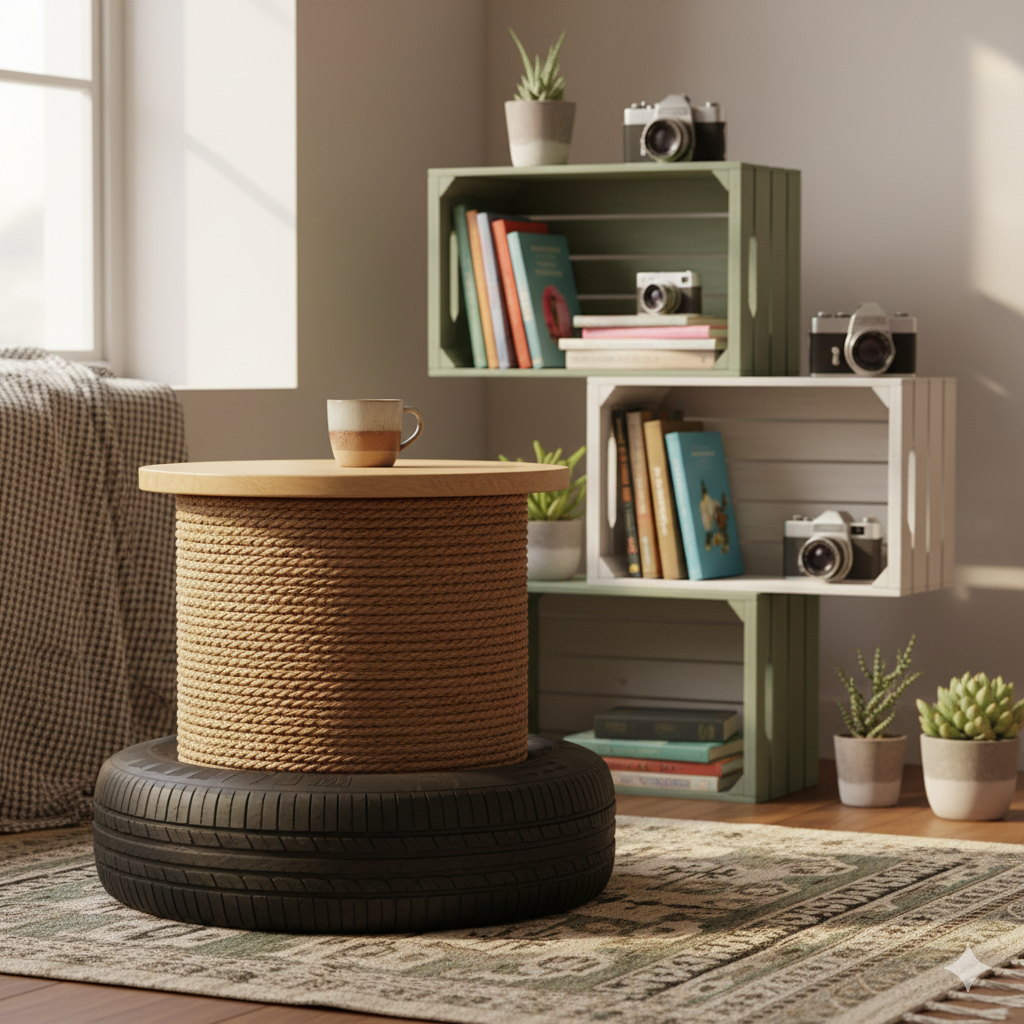
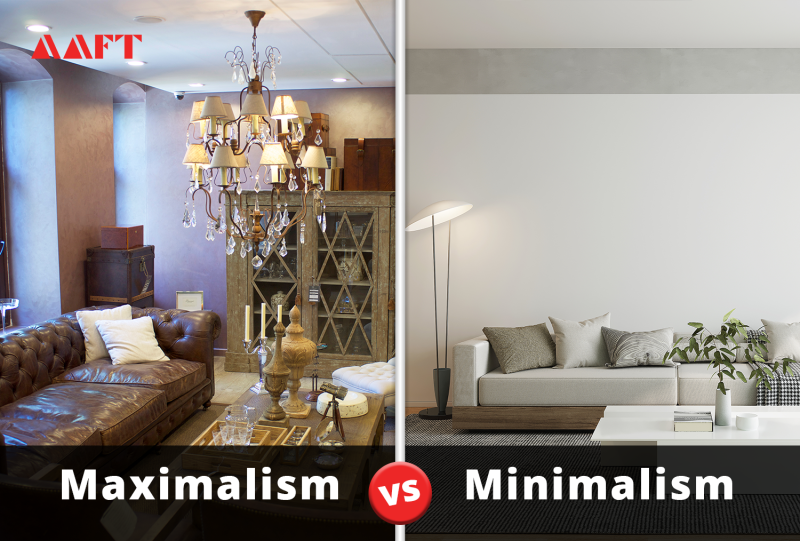
In the world of interior design, two opposing forces define the aesthetic landscape: the opulence and richness of Maximalism and the calm, cleanliness, and order of Minimalism. For years, they have been presented as mutually exclusive options: either you embrace «less is more,» or you surrender to «more is more.»
However, the current trend in interior design lies not in rigidity, but in balance. The strategic combination of both styles gives rise to hybrid spaces, complex and full of personality, often referred to as Tactile Minimalism, Cluttercore (curated), or Curated Maximalism.
I. ⏳ The Diagnosis: Fundamentals of Each Style
Before merging, we must understand the essence of each contender.
| Feature | Minimalism | Maximalism |
| Central Philosophy | Functionality and calm. «Less is more.» | Expression and personality. «More is more.» |
| Color Palette | Neutrals (white, greige, beige) and earth tones. | Vibrant (jewel tones, saturated, contrasting) and pattern mixing. |
| Textiles | Linen, simple cotton, subtle textures. | Velvet, silk, jacquards, fringe, and complex prints. |
| Furniture | Clean lines, simple, functional, with visible negative space. | Sculptural, voluminous, vintage, or collectible pieces. |
| Objects | Few, functional, with special meaning. | Collections, layered art, books, mementos, and souvenirs. |
II. 💡 The Bridge: Three Formulas to Combine Both Styles
The key to making the fusion work is to avoid visual chaos and ensure that the maximalist elements do not override the peace and functionality brought by minimalism.
1. The Foundation Fusion: Curated Maximalism (The 70/30)
This is the most popular method. It is built upon a minimalist base with maximalist layers added.
-
The Minimalist Base (70%): Use walls, floors, and large furniture (sofas, beds) in neutral colors and with clean lines. This ensures light, spaciousness, and a sense of order.
-
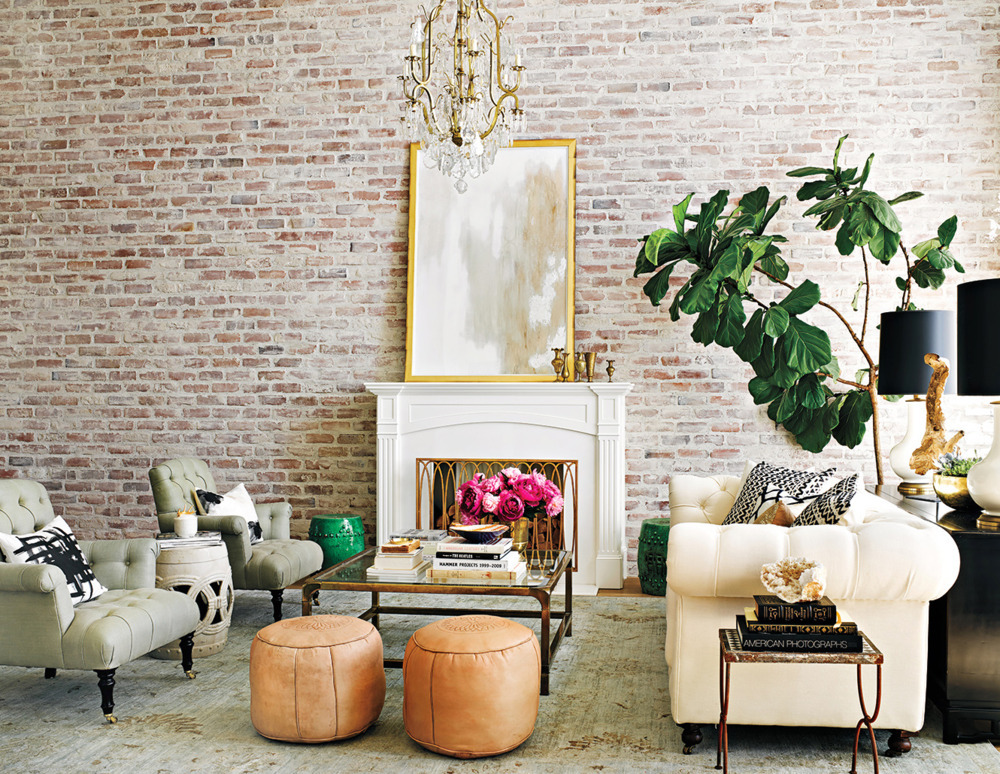
The Maximalist Layers (30%): Add personality through accessories: a layered gallery wall saturated with art, a statement Persian rug, velvet cushions with eye-catching prints, or an oversized vintage lamp.
-
Benefit: You avoid the «museum» look, maintaining a vibrant environment that is still easy to clean and reorganize.
2. The Chromatic Fusion: Textured Neutrals
If you love maximalism but don’t want color saturation, play with texture.
-
Limited Color Palette: Keep the palette restricted to two or three neutral colors (e.g., off-white, charcoal gray, and beige).
-
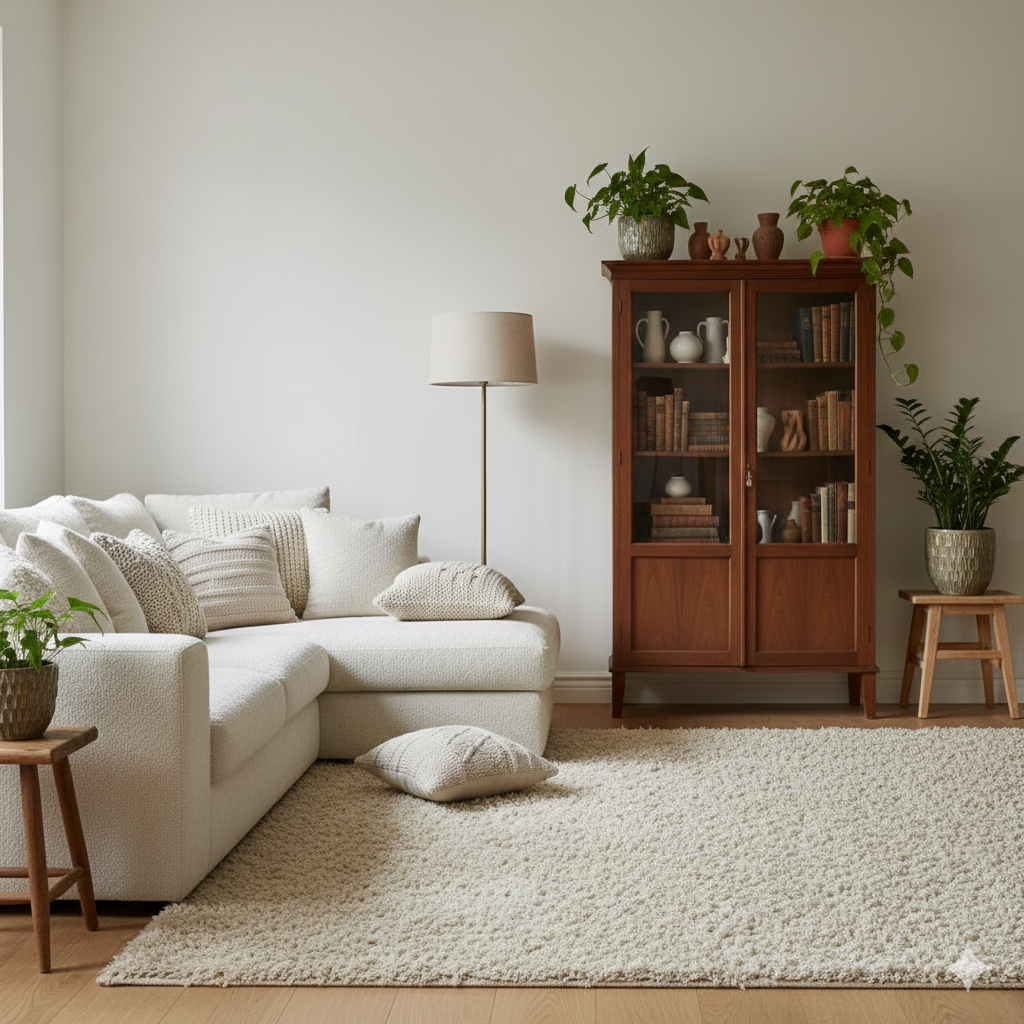
Maximalist Volume and Texture: Introduce the «more is more» through tactile and voluminous materials: a thick chenille sofa, chunky wool blankets, high-pile rugs, and multiple objects made of handcrafted ceramics or raw wood.
-
Benefit: The space feels rich and deep but retains the visual serenity and chromatic order of minimalism.
3. The Structural Fusion: Architectural Contrast
Use the minimalist structural simplicity as a backdrop for maximalist pieces.
-
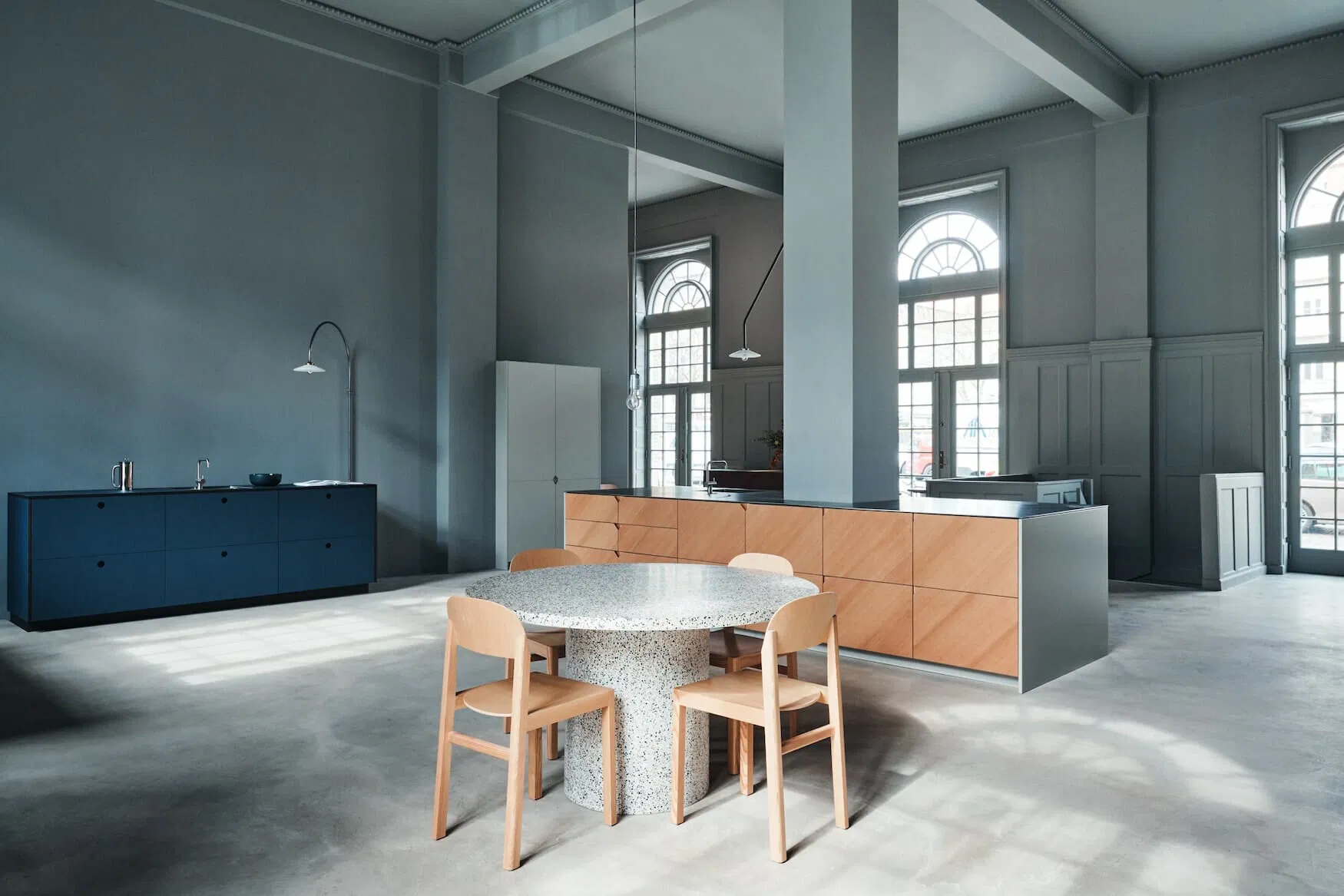
The Architecture: Minimalist: If you have an open-concept space with high ceilings and plain walls, let these elements speak for themselves, in the modern minimalist style.
-
The Furniture: Maximalist: Place a single large statement piece of vintage furniture (e.g., a baroque dresser, an antique display cabinet with collections, a patterned folding screen) in a corner.
-
Benefit: The maximalist centerpiece becomes a work of art, magnified by the simplicity of its surroundings, drawing the eye without saturating the space.
III. 🎨 Quick Guide to Implementing the Fusion in Key Elements
Apply these practical rules to every corner of your home.
1. Walls and Art
-
Minimalist Error to Avoid: Too many empty walls make the space feel cold.
-
Fused Solution: Use layered art. Instead of a single small artwork, create a «curated gallery wall» (maximalist style) against a neutral wall backdrop (minimalist). The key is the variety of frames and media, while maintaining a consistent wall color.
2. The Living Room (The Heart of the Fusion)
-
Minimalism: Provided by the straight-lined sofa, simple coffee table, and the absence of clutter on surfaces.
-
Maximalism: Introduced in the cushions (variety of prints and textures), the mix-and-match lighting (a modern floor lamp next to a vintage chandelier), and the rug (a Persian or geometric rug with deep colors).
3. Storage
-
The Minimalist Mandate: Order. Everything must be stored away.
-
The Maximalist Opportunity: Collections. Use open shelving (in the minimalist style) but display your collections (maximalist: books, antique tableware, small travel objects). The visual order is minimalist, but the content is maximalist.
4. Textiles and Textures
-
The Golden Rule: If you are going to be minimalist in color, be maximalist in texture, and vice versa.
-
Example: If your bed is white and simple (minimalist), cover it with linen, wool, and faux fur throws (maximalist in texture). If your wall is a neutral color, use heavy velvet curtains in a jewel tone (deep blue or emerald).
IV. 🛠️ Sustainability and Consciousness: The Value of the Unique Object
The fusion of styles is not just aesthetic, but a conscious and sustainable choice that resonates with the value of craftsmanship and history.
-
Minimalist Value: Minimalism values quality over quantity. It advocates for investing in a few, but durable and ethical, pieces.
-
Maximalist Value: Maximalism thrives on reuse and history. It encourages seeking out vintage furniture, second-hand pieces, and handmade objects.
By combining: Use the minimalist philosophy to limit the number of new things you buy. Use the maximalist philosophy to fill the gaps with second-hand or restored objects. This creates a space with soul, reduces consumption of mass production, and ensures your home looks like no showroom.
Conclusion: A Unique Interior Design
The battle between Maximalism and Minimalism doesn’t need a winner; it needs a mediator. By using minimalism as the functional skeleton of your home (clean lines, order, light) and maximalism as the expressive skin (color, texture, art, and collections), you create a hybrid interior design that is functional, vibrant, and absolutely unique.
Whether you opt for a 70/30 Curated Minimalism or lean toward a Maximalism with a Neutral Palette, your home will reflect your history without descending into clutter.
Latest Posts Published
✨ How to Decorate a Windowless Room: 15 Surefire Strategies for Creating a Bright and Cozy Oasis
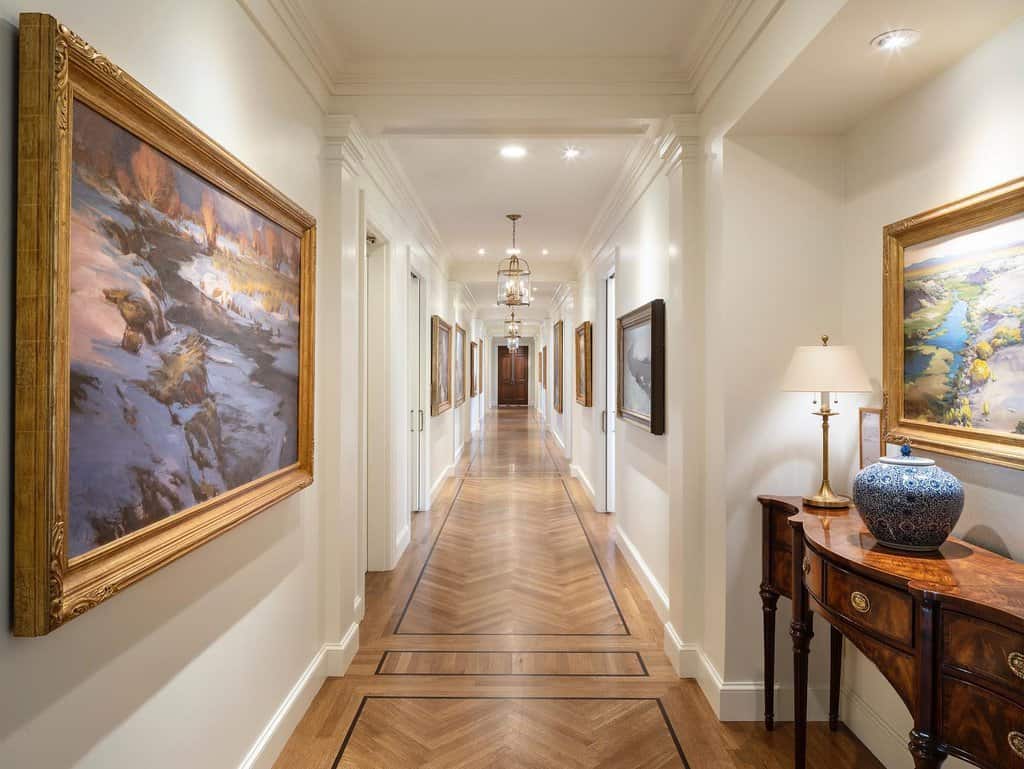
How to Decorate a Narrow Hallway Without Overwhelming the Space: Complete Guide to Expanding and Modernizing It (2025)
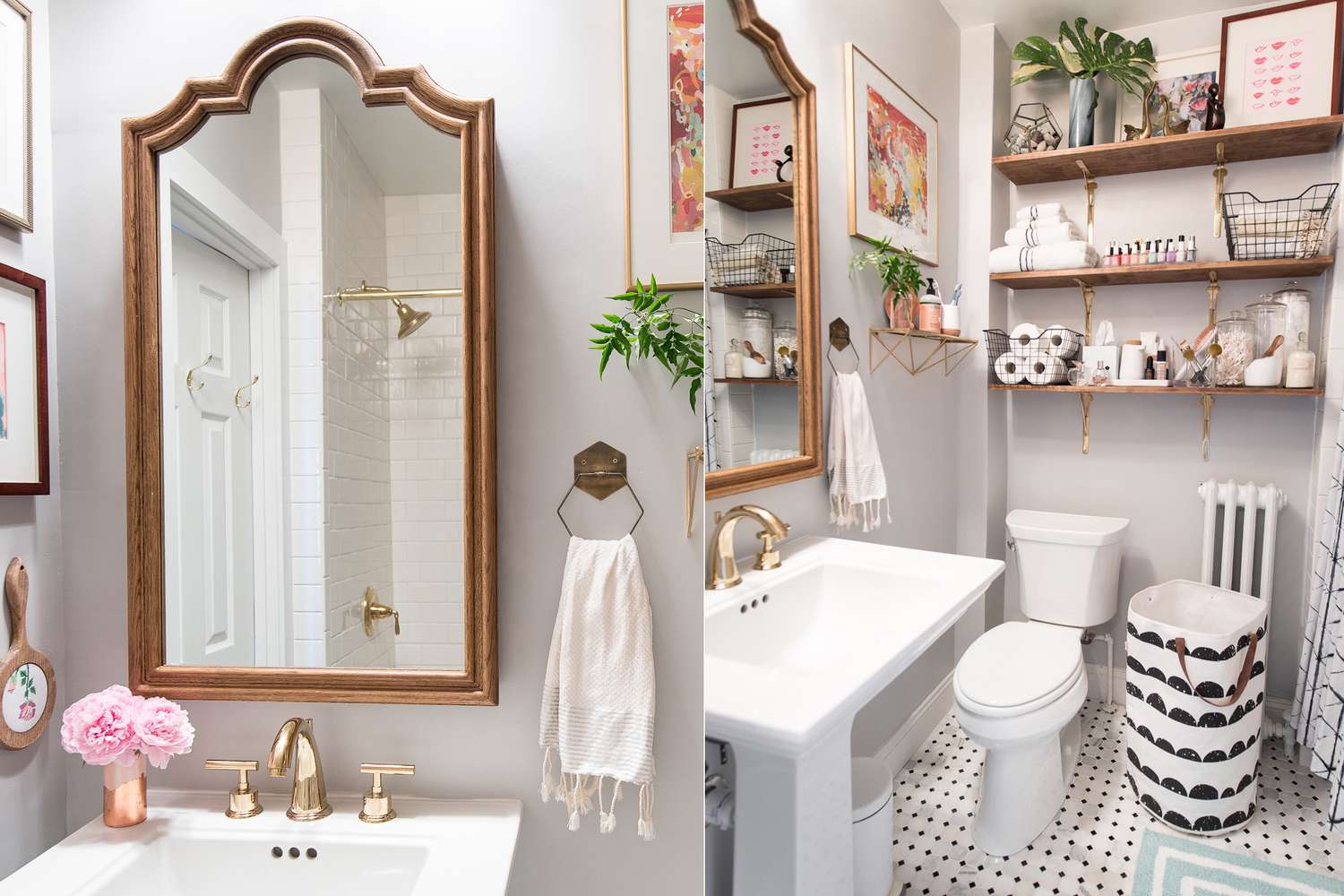
How to Decorate a Small Bathroom with Functional Ideas: The Definitive Guide 2026
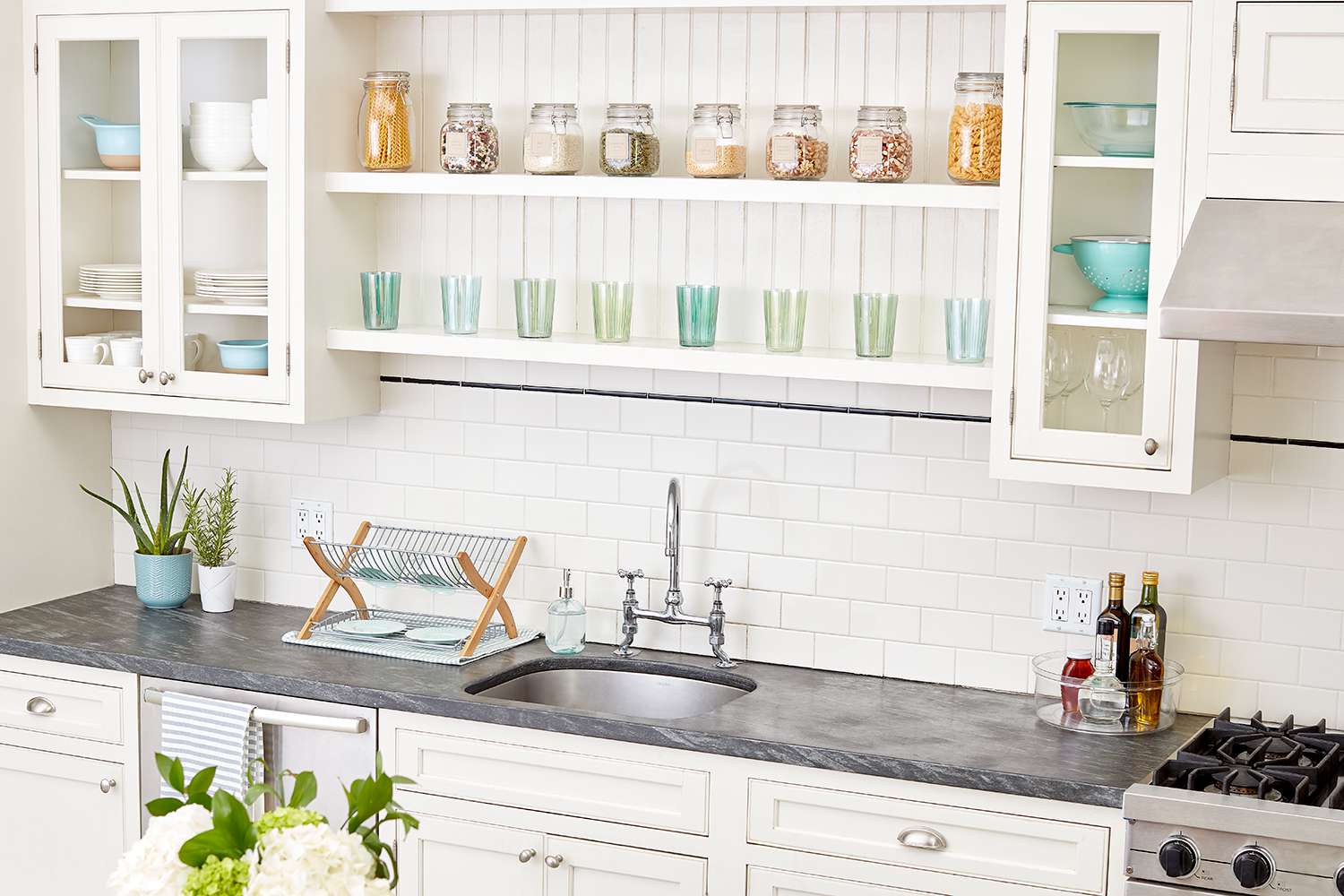
How to Organize Your Kitchen to Make It Look Neat and Modern (Step-by-Step Guide)
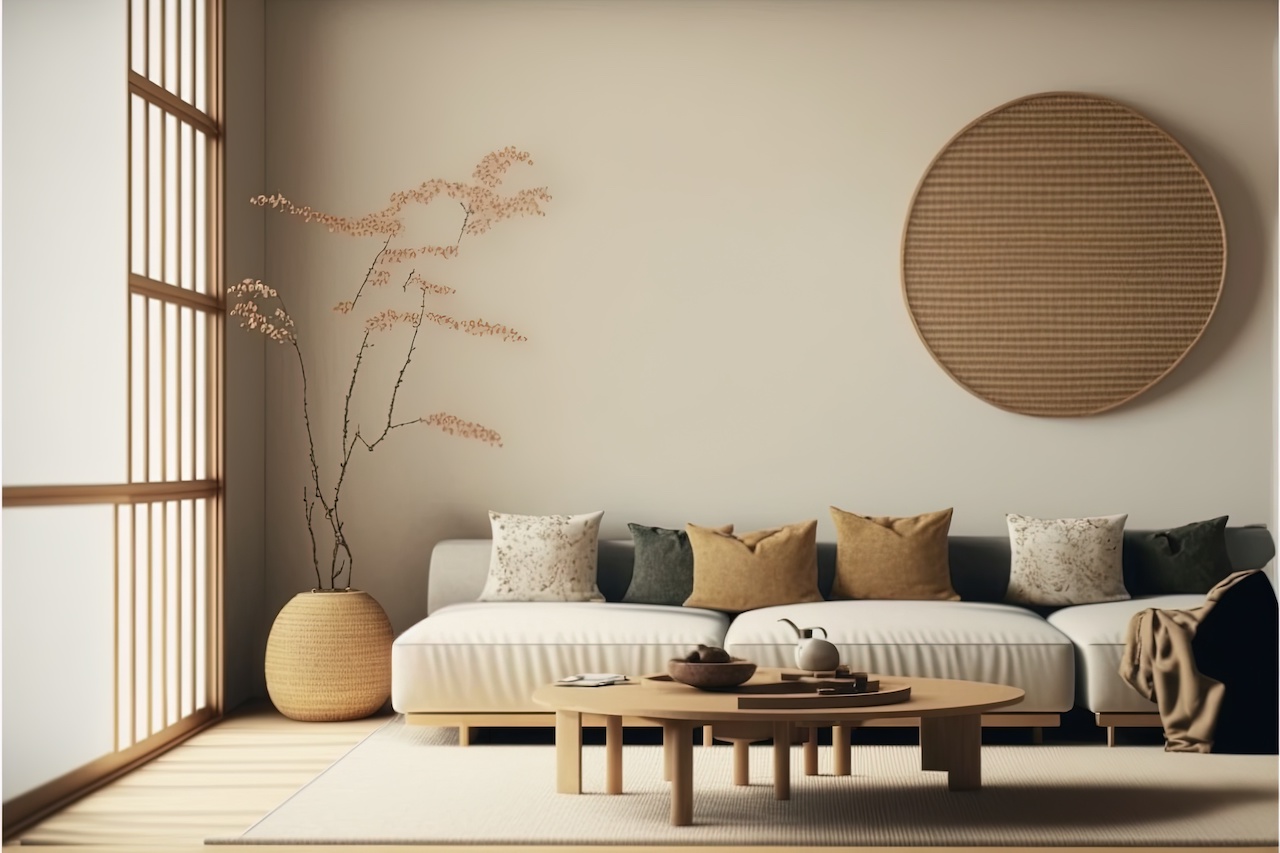
Wabi-Sabi Decor 2025: How to Create Imperfect Yet Elegant Spaces
How to Choose the Perfect Lighting for Every Room
DIY Decorating with Natural Wood: 15 Rustic and Modern Ideas
How to Combine Maximalism and Minimalism in Interior Design (2025 Trends)
Sustainable Vintage Decor: Guide to a Trendy Retro-Style Home