In the world of interiordesign, few things are more frustrating than a wardrobe that doesn’t fit perfectly. Those few centimeters of gap between the ceiling and the unit, or the wasted space between the wall and the furniture…
The Pladur (or drywall) wardrobe is the ultimate storage solution for those who seek both aesthetic perfection and maximum functionality. It’s not just a piece of furniture — it’s an architectural extension of your wall that offers you:
Seamless Integration: Blends perfectly with the wall, leaving no upper or side gaps.
Custom Aesthetics: Personalized finishes — it can be a bold design statement or “disappear” into the room.
If you’re looking for a wardrobe that looks like it was designed by an interior designer, this is your guide.
✨ Style and Aesthetics: The Keys to Exterior Design
The beauty of Pladur lies in the freedom it gives you to choose door styles and lighting so the wardrobe adapts to any interior design trend:
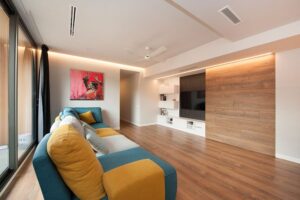
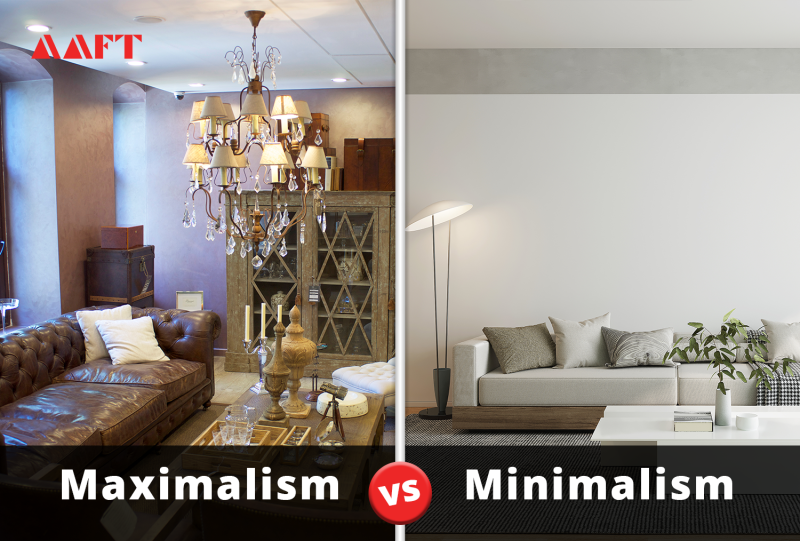
1. “Invisible” Wardrobes (Minimalist Style) For Nordic or minimalist interiors, the goal is for the wardrobe to blend seamlessly into the space.
Handle-Free Doors: Use push-to-open systems for a clean, pressure-release opening.
Fully Integrated Finish: Paint the doors the exact same color as the wall, using minimal or no frames or moldings. The wardrobe becomes part of the wall itself.
2. The Focal Point (Avant-Garde or Classic Style) If you want your wardrobe to be the centerpiece of the bedroom:
Textured Doors: Cover the doors with wooden slats, boiserie-style moldings, or even a microcement finish.
Mirrored Sliding Doors: A practical and aesthetic choice that enhances light and amplifies the sense of space.
Coordination with Other Furniture: Choose a door material (e.g., walnut wood) that matches the bedside table or headboard for a cohesive look.
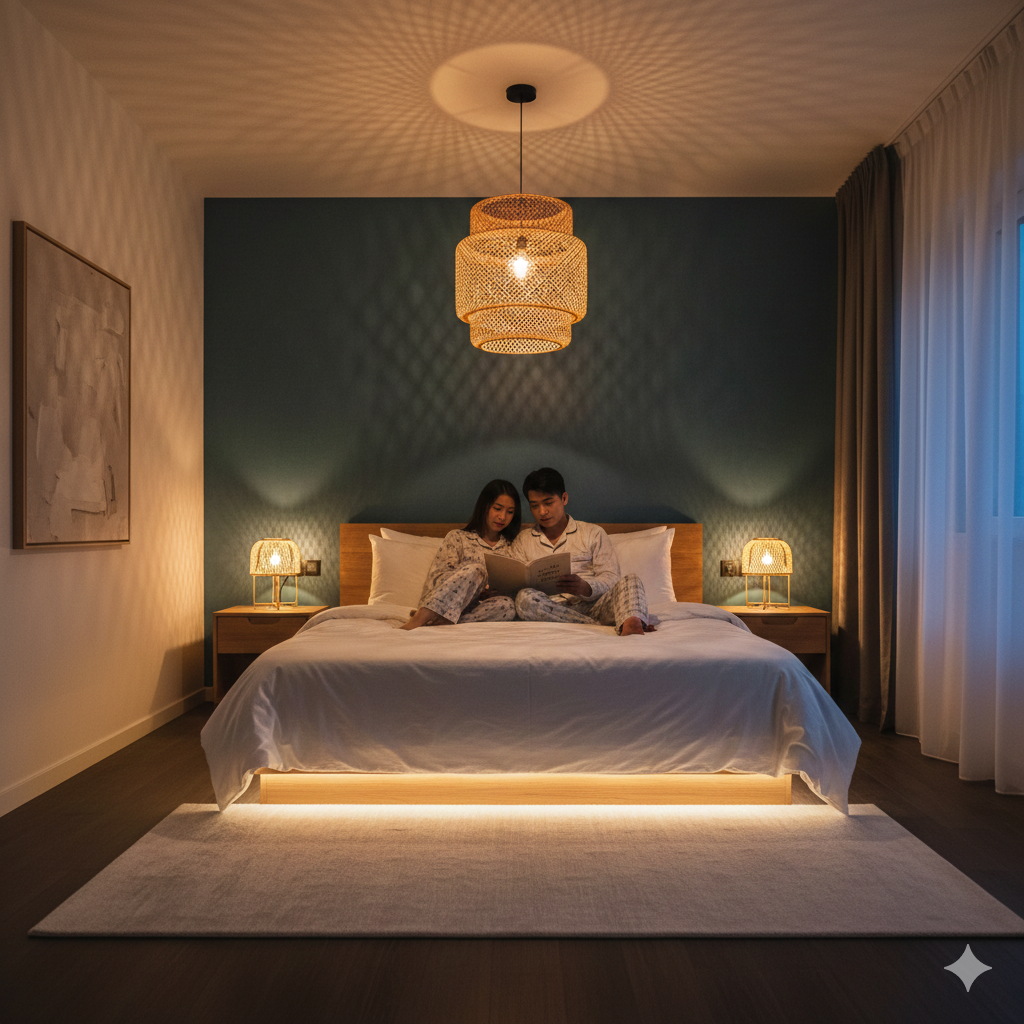
3. LED Lighting: A Design Element Pladur makes it easy to integrate lighting invisibly:
Courtesy Lighting: Install LED strips at the top or bottom of the doors, activated by motion sensors, creating a soft ambient glow.
Interior Lighting: Recessed spotlights or vertical LED strips that turn on when the door opens, eliminating shadows and elevating the sense of luxury.
Interior Functionality: A Walk-in Closet Tailored to Your Needs
The true advantage of a built-in wardrobe is that its interior is designed around your needs — not the other way around. There are no predefined modules.
Specialized Zones: Create specific areas for long garments, shelves for sweaters, and drawers of various heights.
Integrated Accessories: Leave space for pull-out trouser racks, shoe organizers, or built-in wicker baskets that add a decorative touch.
The Structure (Interior): While the exterior is made of Pladur, the shelves and drawers inside should be made of wood, melamine, or particleboard. Make sure the finish (wood tone, white lacquer, etc.) complements the bedroom’s overall style.
The Process: How Your Design Is Built (Simplified Guide)
Building a Pladur wardrobe involves creating a structure within the room, but the final result is much cleaner than traditional brickwork.
Structure Design: Mark the layout on the floor and ceiling. Install the metal profiles (studs and channels) that form the skeleton of the wardrobe. This step defines all internal divisions (shelves, compartments).
Enclosure: Screw the plasterboard (Pladur panels) onto the metal framework.
Finishing (The Aesthetic Touch): Seal the joints with filler and tape, then sand the entire surface. This step ensures the wardrobe looks like a seamless extension of the wall.
Carpentry Installation: Once dry, install the rails, doors (the main visual element), and all internal mechanisms.
Finishes and Combination: Achieving the Desired Look
The Pladur wardrobe is a blank canvas that should blend seamlessly into your decorative palette:
Decorative Style
Recommended Exterior Finish
Recommended Interior Finish
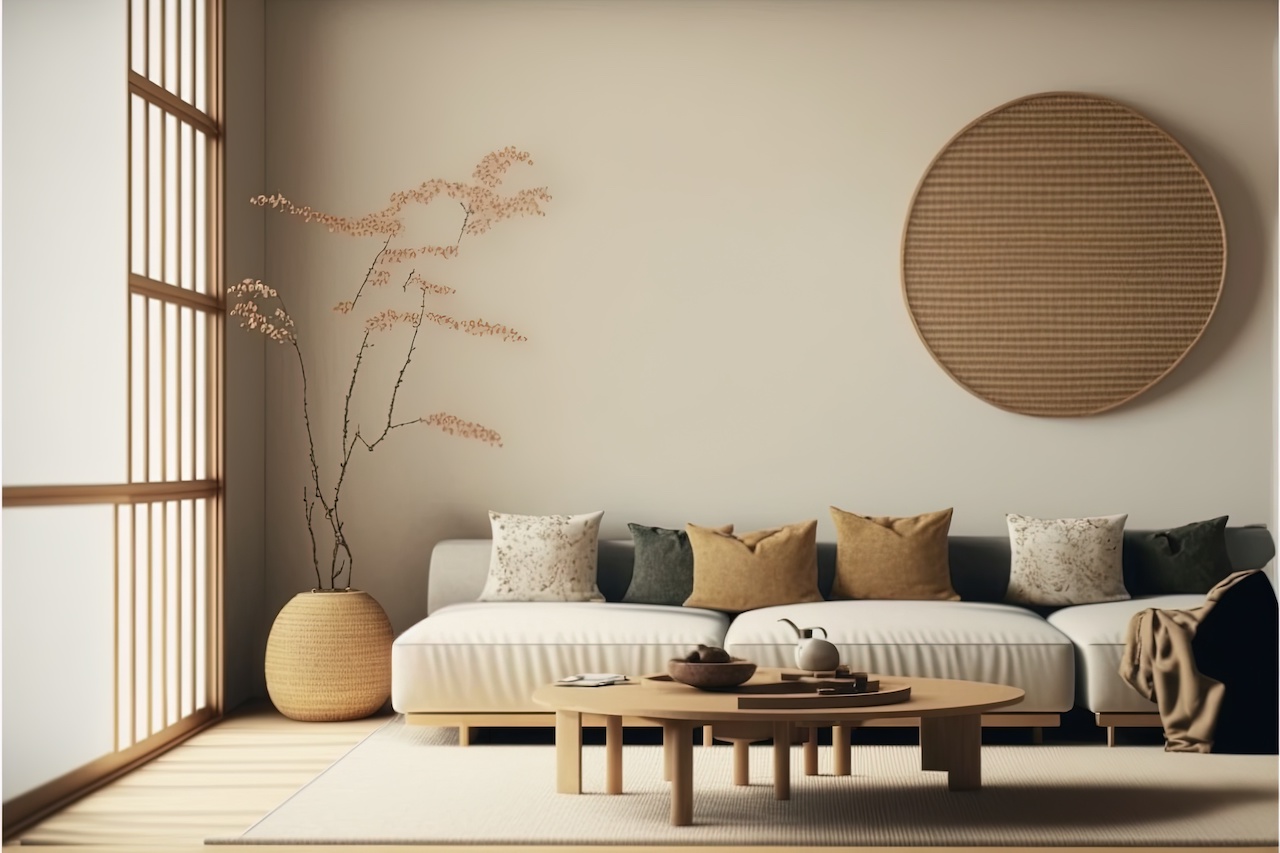
Nordic / Japandi
Matte white lacquered or very light wood (ash).
Natural wood or light beige melamine.
Industrial
Swing doors in metal or dark wood with black handles.
Dark interior (anthracite gray or black).
Classic / Traditional
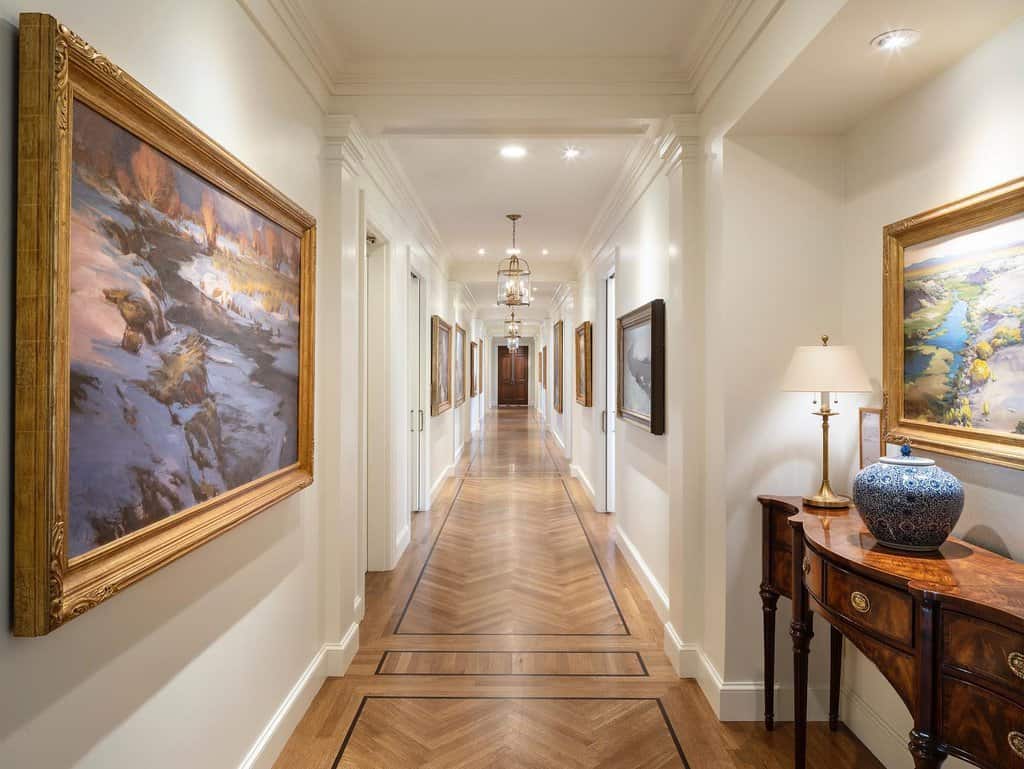
Doors with classic moldings (Shaker or boiserie style).
Varnished wood in warm tones.
Boho-Chic
Lacquered doors covered with natural-textured wallpaper (raffia, linen).
White melamine for a lighter look.
A Pladur wardrobe isn’t just a place to store clothes — it’s a design statement. It allows you to eliminate visual clutter and create a clean, harmonious space that perfectly reflects your chosen style
We use cookies to ensure that we give you the best experience on our website. If you continue to use this site, we will assume that you are happy with this.