In modern architecture and space optimization, there is no such thing as «dead space,» only poorly utilized space. The cavity formed beneath a staircase is often the forgotten corner of the house, relegated to a broom closet or simply enclosed with a blind wall.
However, for owners seeking functionality and design in multi-story homes, this space holds enormous potential: the possibility of installing a guest toilet (half-bath) or a second bathroom. This addition not only increases the practical value of the home but also improves circulation and social life, preventing guests from having to go up to the private area of the house.
Installing a toilet under the stairs is not a simple plumbing job; it is a challenge in intelligent design that requires maximizing every inch, managing the limitation of headroom, and making aesthetic decisions in the choice of fixtures and finishes.
This guide will transform your vision of this neglected corner, covering everything from design inspiration and the most efficient layout to the technical keys for installing compact sanitary fixtures and managing plumbing connections.
📐 The Design Challenge: Layout and Ergonomics
Before considering pipes, design and layout must be the priority. Working with the slanted lines of the staircase requires custom solutions to make the space both usable and aesthetic.
1. Maximizing Headroom
The key is to position the elements where the height is maximal:
- Toilet Placement: It must be located in the area of greatest height to ensure a person can comfortably stand up and sit down. The minimum headroom for the standing area should be approximately 2 meters (approx. 6 feet 7 inches).
- Sink Placement: This can be placed in the lowest part or in a corner where the staircase’s incline does not interfere, as using the sink does not require full standing height.
2. Compact Fixtures: The Secret to Aesthetics
In a reduced space, fixtures must be chosen for their size and design to avoid overwhelming the environment:
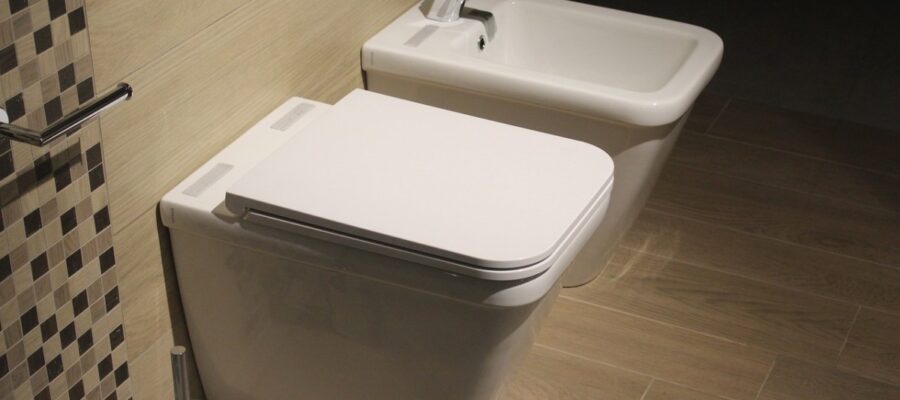
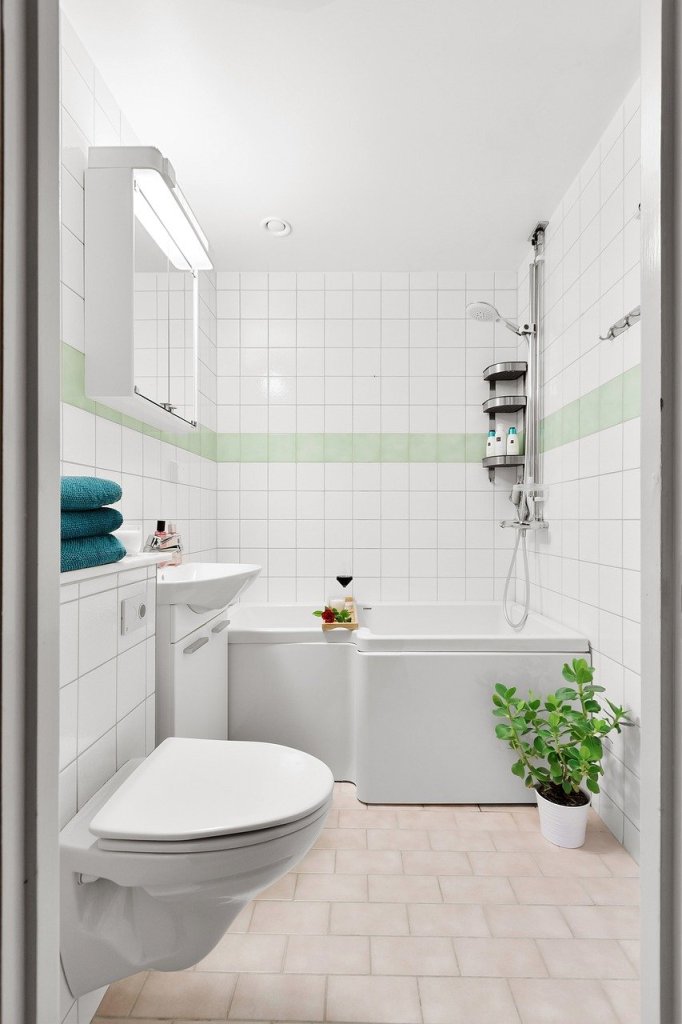
- Compact and Wall-Hung Toilets: Compact models save up to 10–15 cm (4–6 inches) in depth. Wall-hung (or suspended) toilets are the most recommended, as they free up the floor, making cleaning easier and visually creating a sense of greater space.
- Corner or Minimalist Sinks: Pedestal sinks are too bulky. It is better to opt for triangular corner sinks or very narrow models (25–30 cm / 10–12 inches deep) that are integrated into a wall-hung vanity or fixed directly to the wall.
3. The Play of Lighting
Natural light is usually limited or non-existent. Artificial lighting is an essential design tool:
- Functional Lighting: Recessed spotlights in the ceiling (in the highest area) for general, powerful light.
- Ambient Lighting: LED light strips integrated under the sink vanity or along the plinth to create a floating effect and break the feeling of claustrophobia.
✨ Style and Finishes: The Aesthetics of a Small Space
A toilet under the stairs is an opportunity to experiment with bold finishes that you might not dare to use in a main bathroom.
1. Wall Coverings and Mirrors (Creating Illusion)
- Large Formats or Mosaics: Using large-format tiles on the walls and floor, or continuous microcement, minimizes joints and creates continuity, making the space feel larger. If opting for high contrast (e.g., a striking mosaic), it should be limited to a single accent wall.
- Strategic Mirrors: A large mirror (frameless or with integrated LED lighting) is the most effective visual trick. By reflecting the space and light, it doubles the sense of depth. Place it on the longest wall.
2. Color and Ambiance
- Light Tones: White, light gray, or pastel tones are the safe choice to maximize light.
- Dark Touches (Contrast): If the overall decor is Nordic or minimalist, you can use matte black for the tapware, cistern, or accessories. This contrast adds sophistication without overwhelming the space.
- Invisible Doors: If the toilet access opens into a hallway or living room, the door should be integrated. Use a flush-lacquered door (without casings) in the same color as the wall so that it «disappears» when closed.
🔧 The Technical Challenge: Plumbing and Sanitation Solutions
The most complicated part is managing the sanitation connections, as the space under the stairs is rarely pre-planned for this purpose.
1. The Key: Drains and Pipes
Installing a toilet requires a drain pipe with the appropriate diameter (usually 110 mm or 4 inches) which must have a natural gradient (slope) for evacuation.
- Height Problem: Pipes must run beneath the floor. If the floor level of the toilet is below the house’s main sewage pipe (which is common), the necessary slope cannot be achieved.
- Architectural Solution: Raising the floor. Often, a small step or a raised platform must be created over the existing screed to gain the height necessary for the pipes to run with the proper gradient towards the main connection point.
2. The Technological Solution: Macerator Toilets (Saniflo)
When it is absolutely impossible to modify the floor screed for the required slope, technology offers a solution:
- Operation: A macerator toilet (a forced pumping system) allows wastewater to be macerated (ground) and pumped through smaller diameter pipes (22 to 40 mm or 3/4 to 1 1/2 inches) which can be installed vertically or horizontally.
- Technical Benefit: This eliminates the need to aggressively modify the floor or screed to obtain the slope, allowing the toilet to be installed anywhere, even significantly below the main sewage pipe level.
3. Cistern Installation and Ventilation
- Concealed Cistern: This is essential for saving space and maintaining the minimalist aesthetic. It is hidden inside a plasterboard wall, leaving only the flush plate button and the wall-hung toilet visible.
- Ventilation: A toilet without a window must have a forced air extraction system to ensure hygiene and prevent the accumulation of odors and humidity. The extraction grille should be as discreet as possible so as not to disrupt the design.
Final Thoughts: The Value of Smart Design
The decision to integrate a toilet under the stairs is a testament to smart design and efficiency. It is not about shoving a toilet into a niche, but about creating a functional and aesthetic space that respects architectural limitations.
By focusing on compact sanitary fixtures, strategic lighting, enlarging mirrors, and the correct management of plumbing (whether through gravity slope or a pumping system), you convert an underutilized corner into an element of added value for your home. The final result is a guest toilet that, although small, feels well-designed, functional, and worthy of being showcased.
Latest Posts Published
✨ How to Decorate a Windowless Room: 15 Surefire Strategies for Creating a Bright and Cozy Oasis
How to Decorate a Narrow Hallway Without Overwhelming the Space: Complete Guide to Expanding and Modernizing It (2025)
How to Decorate a Small Bathroom with Functional Ideas: The Definitive Guide 2026
How to Organize Your Kitchen to Make It Look Neat and Modern (Step-by-Step Guide)
Wabi-Sabi Decor 2025: How to Create Imperfect Yet Elegant Spaces
How to Choose the Perfect Lighting for Every Room
DIY Decorating with Natural Wood: 15 Rustic and Modern Ideas
How to Combine Maximalism and Minimalism in Interior Design (2025 Trends)
Sustainable Vintage Decor: Guide to a Trendy Retro-Style Home