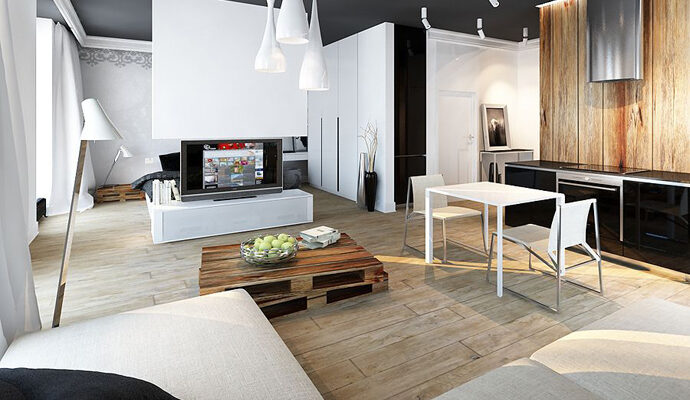
Open Concept Design is more than a trend; it is an architectural philosophy that defines modern life. By eliminating dividing walls between the social areas of the home (kitchen, living room, and dining room), a clear goal is pursued: to maximize human connection, natural light, and the perception of space.
This design model transforms the home’s dynamic. The kitchen is no longer an isolated workspace but the nerve center where the family gathers and guests interact. The resulting visual fluidity is unmatched, making a 60-square-meter apartment feel twice as large.
However, like any architectural solution, the open concept presents challenges that must be addressed from the design phase. Noise, odor management, and the need for constant tidiness are the «lessons learned» from this style.
In this ultimate guide, we will analyze the aesthetic benefits that have made the open concept a designer favorite, and the practical strategies to overcome its drawbacks, creating a space that is as functional as it is beautiful.
✨ The Aesthetic Advantages: Why the Open Concept Dominates Design
The popularity of the Open Concept is based on visual and functional benefits that enhance the quality of life at home.
1. Maximization of Natural Light
By eliminating walls, light entering through a dining room window can travel freely to the furthest corner of the living room.
- Visual Effect: This drastically reduces dark areas, making the decor colors look more vibrant and the atmosphere feel healthier and more energizing. Light becomes a unifying element.
2. Visual Fluidity and Spaciousness
The absence of physical barriers is the most effective visual trick to make small spaces seem large.
- Connection: The gaze flows unimpeded, from the kitchen island to the living room fireplace. This continuity eliminates the feeling of confinement and creates a unified architectural canvas.
3. The Kitchen Design as a Central Piece
The kitchen shifts from being a service area to a visible design element.
- Material Alignment: The design requires cabinets, countertops, and appliances to have a high-quality aesthetic finish. The island or peninsula becomes a social piece of furniture, not just a workspace.
4. Social Interaction and Family Life
The open concept allows the host to cook without being excluded from the conversation. It is ideal for families with small children, as supervision is facilitated.

🚫 The Challenges of the Open Concept: Problems to Solve in Design
The success of the Open Concept lies not in eliminating walls, but in managing the problems that this elimination creates.
1. Noise Expands Unchecked
Noise from the kitchen (blender, hood, dishes) or the television travels throughout the entire space with no walls to stop it.
- Design Solution: Integrate sound-absorbing elements. Use thick rugs, heavy curtains, and upholstered furniture. Installing a dropped ceiling with discreet acoustic panels in the living room area also helps mitigate reverberation.
2. Odors and Fumes
Kitchen odors are distributed throughout the entire space, permeating textiles and upholstery.
- Technical Solution: The extractor hood must be high-power ( and preferably with external venting. Ceiling-mounted or countertop models are the most discreet and aesthetic, but they must be efficient.
3. Clutter and Constant Visual Tidiness
In an open space, the clutter in one area affects the perception of the entire home.
- Storage Solution: The design must include plenty of closed storage (low cabinets, floor-to-ceiling pantries). Minimizing open storage and having immediate storage points (for keys, mail, etc.) is essential for maintaining visual fluidity.
4. Difficulty in Heating or Cooling
A large volume of air is harder to condition uniformly.
- Technical Solution: More powerful and well-zoned heating/air conditioning systems are required. Installing radiant floor heating or strategically placed radiators near large glass openings ensures a comfortable temperature without compromising aesthetics.
⚖️ Smart Zoning: The Art of Defining Spaces Without Walls
The key to preventing an Open Concept from turning into a large chaotic space is zoning. This means visually delimiting the areas without building walls.
1. Interior Architecture Elements
- Rugs: These are the simplest visual delimiters. A large rug under the dining table defines that area, and another in the living room delimits the relaxation zone. Color and texture help differentiate the ambiances.
- Dropped Ceilings and Beams: Slightly lowering the ceiling only over the kitchen or dining area allows for integrated lighting and creates a visual «box» that defines the area’s function.
- Half-Walls or Dividing Furniture: A central fireplace, a low bookshelf, or a knee-high drywall partition between the living room and entrance allows you to see through, maintaining fluidity while creating a visual and psychological barrier.
2. Lighting as a Delimiter
Lighting must be independent for each zone, allowing for the creation of distinct light scenes.
- Kitchen: Functional and powerful lights (recessed spotlights or LED strips).
- Dining Room: Low-hanging pendant lamps over the table, which act as a focal point and define the perimeter.
- Living Room: Soft ambient lighting (floor and table lamps) to create a cozy and relaxing atmosphere.
3. The Use of Flooring
Using different flooring materials helps with subtle zoning.
- Clean Transition: For example, using tile or microcement in the kitchen (for durability) and wood in the living room. The transition between materials should be clean and not too abrupt.
Conclusion: A Cohesive and Connected Design
Open Concept design is a powerful tool for injecting light, connection, and a sense of modernity into any home. Its advantages are undeniable: greater luminosity, fluidity, and a more integrated social environment.
However, its success lies in attention to detail: planning for acoustic absorption, installing high-efficiency extraction systems, and, above all, using zoning elements (furniture, flooring, lighting) to bring structure to the spaciousness.
A well-executed Open Concept is not the simple elimination of walls, but the masterful creation of a cohesive and functional space where every corner feels connected, yet retains its own identity. This is the essence of contemporary interior design.
Latest Posts Published
✨ How to Decorate a Windowless Room: 15 Surefire Strategies for Creating a Bright and Cozy Oasis
How to Decorate a Narrow Hallway Without Overwhelming the Space: Complete Guide to Expanding and Modernizing It (2025)
How to Decorate a Small Bathroom with Functional Ideas: The Definitive Guide 2026
How to Organize Your Kitchen to Make It Look Neat and Modern (Step-by-Step Guide)
Wabi-Sabi Decor 2025: How to Create Imperfect Yet Elegant Spaces
How to Choose the Perfect Lighting for Every Room

DIY Decorating with Natural Wood: 15 Rustic and Modern Ideas
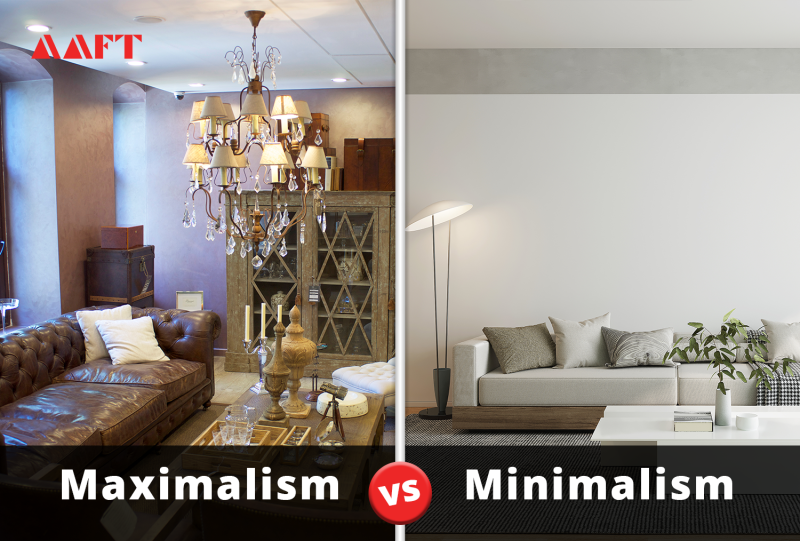
How to Combine Maximalism and Minimalism in Interior Design (2025 Trends)
Sustainable Vintage Decor: Guide to a Trendy Retro-Style Home