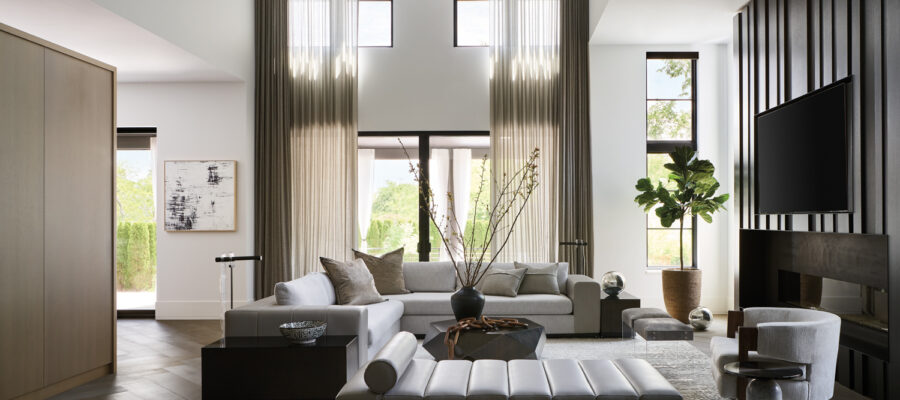
The concept of «Quiet Luxury» has emerged as the ultimate expression of sophistication in modern interior design. It is not a fleeting trend, but a philosophy of life that prioritizes intrinsic quality, meticulous craftsmanship, and timeless design over overt ostentation and visible logos. This style whispers refinement, rather than shouting it, creating environments that are, above all, a refuge of calm, elegance, and well-being.
The fundamental tool for shaping this serene and exclusive atmosphere is the choice of a neutral color palette. These tones, far from being monotonous, are the perfect foundation for building a space with depth, warmth, and a beauty that endures over time.
I. The Philosophy of Quiet Luxury in the Home
Quiet Luxury in interior design is the antithesis of maximalism and the ephemeral decoration dictated by fast trends. Its value resides in what is not seen at first glance, but what is felt in every detail: the weight of a fabric, the grain of a fine wood, the softness of a matte finish.
1. Fundamental Pillars of the Style
-
Craftsmanship and Lasting Quality: Ethical sourcing and excellent manufacturing are valued. Every piece, whether a sofa or a vase, is an investment intended to withstand decades, not just seasons. This implies a preference for high-end, traditional materials and manufacturing techniques.
-
Sophisticated Minimalism: It is an evolution of classic minimalism, where the elimination of unnecessary elements translates into impeccable visual order. Spaces are clean and open, but never cold; they are functional, yet they feel rich in sensation and texture. The motto is the famous «less is more,» but with the maximum quality in every remaining element.
-
Timeless Design: Pure lines and classic forms that are not affected by trends are chosen. Furniture has balanced volumes and careful proportions, focusing on the silhouette and the fit (as they would say in fashion) rather than on ornamentation.
II. The Neutral Palette: Foundation of Elegance
Neutral colors are not simply an aesthetic choice; they are the chromatic expression of the calm and sobriety that define Quiet Luxury. They allow the quality of the materials and textures to take center stage.
2. The Chromatic Range of Serenity
The ideal palette is directly inspired by nature, seeking tones that convey warmth, balance, and sophistication.
-
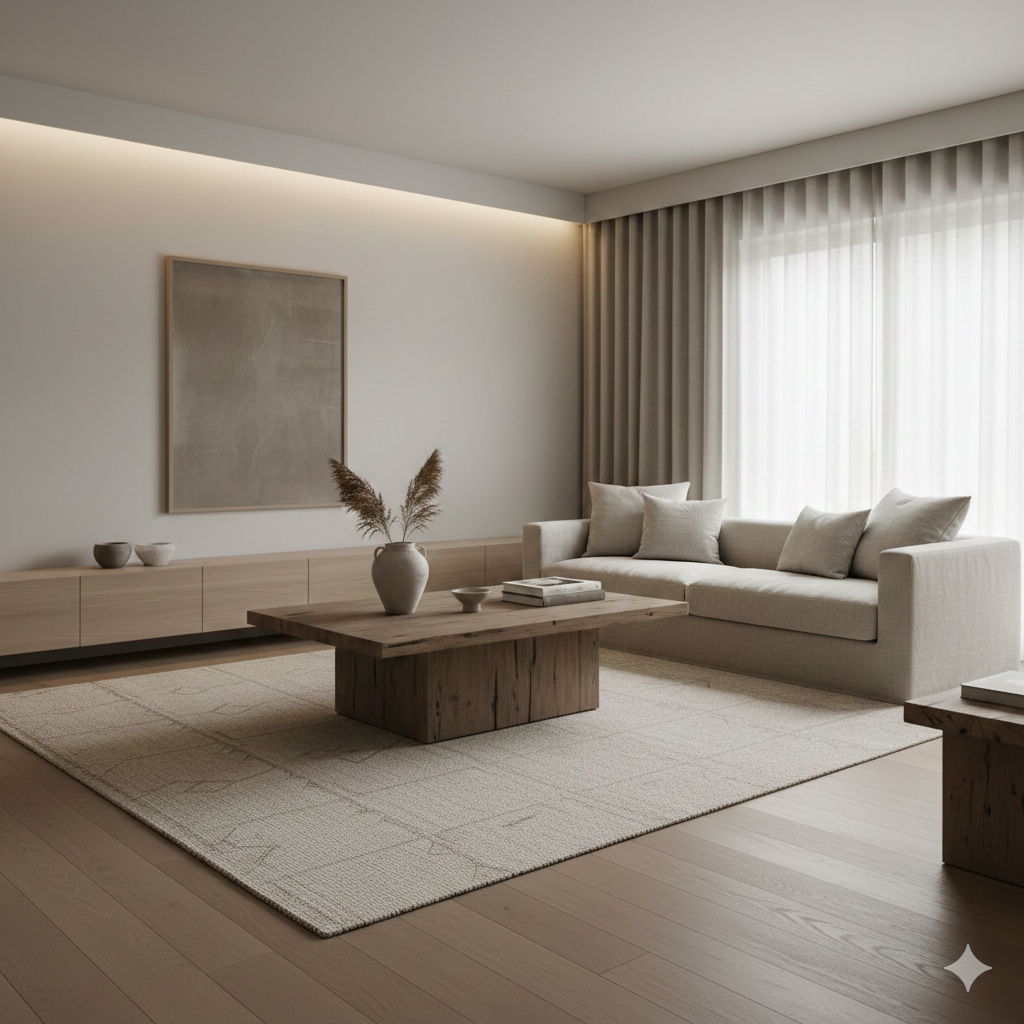
Off-Whites, Cream, and Linen: These are the base of luminosity. Whites with nuances—which can be slightly yellowish, pinkish, or grayish—are preferred to avoid the sterile coldness of pure white. The color Linen, for example, brings a sense of lightness and unparalleled visual texture.
-
Beiges, Sand, and Taupe (Greige): These earthy tones are essential for grounding the space’s warmth. Taupe (a sophisticated mix of gray and brown) is exceptionally popular, as it offers the structure of gray with the warmth of beige, creating an immensely adaptable and elegant background.
-
Warm Grays and Pearl: These add structure without being heavy. Pearl gray or soft gray, especially when combined with rich textures, evoke the sophistication of natural stone and fine metals.
-
Rich Browns and Camel: Used in fine wood (dark walnut, aged oak), high-quality leather, and textile accents. These tones are crucial for anchoring the palette, adding a depth and an organic connection to the earth that is intrinsic to discreet luxury.
📌 Key to Harmony: The sophistication lies in tonal monochrome. Instead of using a single shade of beige, it is recommended to layer different intensities and nuances of the same base color. This layering—a pale beige on the walls, a sand tone on the sofa, and a dark camel on the cushions—creates a dynamic and enveloping visual depth.
III. Texture: The Language of Quiet Luxury
In a limited color scheme, texture becomes the main design element to prevent the space from feeling flat or boring. Quiet Luxury is highly sensorial; beauty is discovered through touch.
3. Fine and Sensorial Materials
The selection of materials is where investment and quality are evident. They must be authentic, tactile, and demonstrate a beauty that intensifies with time and use.
| Material | Function in Design | Sensorial Impact |
| Natural Stone | Countertops, floors, cladding, tables. | Unique veining (soft marble, travertine), weight, and cool elegance. |
| Solid Wood | Structural furniture, panels, floors. | Warmth, durability, and a deep tone (walnut, teak, oak). |
| Cashmere and Wool | Throws, cushions, cut-pile rugs. | Supreme softness, warmth, and a plush, cozy feel. |
| Linen and Raw Silk | Curtains, bedding, light upholstery. | Subtle natural texture, elegant wrinkles, and impeccable drape. |
| Leather and Suede | Sofas, accent chairs, small accessories. | Distinctive scent and a patina that improves with age. |
Tactile contrast is vital: combine smooth, cool surfaces (polished marble, brushed metals) with soft, warm surfaces (thick wool, washed linen). This play of opposites is what gives the space that unmistakable sense of luxury.
4. Finishes and Discreet Details
The finish of the materials is as important as the material itself.
-
Matte Finishes: Matte or satin is preferred over glossy. A matte finish on wall paint or furniture lacquer absorbs light more softly, creating a more intimate and sophisticated atmosphere.
-
Brushed Metals: Metal accents are subtle. Aged bronze, brushed brass, or nickel are used in hardware, furniture legs, and art frames, avoiding bright chrome and highly polished gold. These metals act as discreet jewelry that adds a touch of shine without being jarring.
IV. Lighting and Furniture: Architecture of Calm
Furniture and lighting are the elements that define the interior architecture and the ambiance. In Quiet Luxury, these components must be functional and aesthetically impeccable, without the need for grand statements.
5. Furniture with Silent Character
The furniture is robust and well-proportioned. The lines are clean, but not severe; soft, rounded shapes are often used to foster a sense of comfort and welcome.
-
Investment in Key Pieces: The focus is on the sofa, the bed, and the dining table. These pieces must be of the highest quality and offer maximum comfort. A deep, wide sofa, upholstered in a thick linen or cotton velvet in a warm gray tone, is an emblem of this style.
-
Integrated Storage: Clutter is the number one enemy of Quiet Luxury. Custom-made storage systems and wooden panels or moldings are used to integrate cabinets and shelving, keeping the space visually clean and minimalist.
6. Light, Creator of Atmosphere
Lighting is crucial for bringing the neutral palette to life. Inadequate light can make beige look boring; warm, layered light transforms it into a rich and welcoming color.
-
Layered Light: Never rely on a single overhead light. It is essential to combine:
-
Ambient Light: Soft and diffuse, often hidden in coves or via dimmable, recessed lights.
-
Task Light: Floor and table lamps with fabric or ceramic shades, directing light for reading or working.
-
Accent Light: To highlight a wall texture, a piece of art, or a plant.
-
-
Warm Temperature: It is recommended to use bulbs with a color temperature between 2700K and 3000K (warm light) to accentuate the beige, cream, and brown tones, increasing the feeling of intimacy and luxury.
V. The Final Decoration: The Personal Touch
Decoration is kept to a minimum, but every object must have an intention and intrinsic aesthetic value.
-
Art and Objects: Choose abstract art or art with a muted color palette that complements the neutrals. Handmade ceramic vases, organically shaped sculptures, or art books with sober covers are perfect accessories.
-
Biophilia: Large plants, with thick leaves and sculptural forms (like a Ficus Lyrata or a Strelitzia), bring a touch of natural color and vitality, reinforcing the connection to the organic without disrupting the color palette.
-
Subtle Aromas: Quiet Luxury appeals to all the senses. Subtle scents of wood (sandalwood, cedar), leather, or botanical essences are favored to reinforce the feeling of calm and cleanliness.
In conclusion, Quiet Luxury is a design style that elevates comfort to an art form. By committing to a neutral color palette and the quality of materials, one invests in an elegance that does not fade, transforming the home into a personal sanctuary of timeless sophistication.
Latest Posts Published
✨ How to Decorate a Windowless Room: 15 Surefire Strategies for Creating a Bright and Cozy Oasis
How to Decorate a Narrow Hallway Without Overwhelming the Space: Complete Guide to Expanding and Modernizing It (2025)
How to Decorate a Small Bathroom with Functional Ideas: The Definitive Guide 2026
How to Organize Your Kitchen to Make It Look Neat and Modern (Step-by-Step Guide)
Wabi-Sabi Decor 2025: How to Create Imperfect Yet Elegant Spaces
How to Choose the Perfect Lighting for Every Room
DIY Decorating with Natural Wood: 15 Rustic and Modern Ideas
How to Combine Maximalism and Minimalism in Interior Design (2025 Trends)
Sustainable Vintage Decor: Guide to a Trendy Retro-Style Home