In interiordesign, choosing the right paint is just as crucial as selecting furniture. It’s not only about picking a color; it’s about selecting a finish that interacts with both natural and artificial light, defines the texture of your walls, and ultimately shapes the emotional atmosphere of the room.
Vinyl paint (also called plastic or water-based paint) is the most popular and versatile choice for the home. It’s easy to apply, low-odor, easy to clean, and—most importantly for design—it comes in a wide range of finishes to suit every decorative need.
By moving beyond seeing paint as just a coating and instead viewing it as a design element, you unlock a world of possibilities. Are you seeking subtle elegance? Do you need brightness? Or perhaps a dramatic effect? The answer lies in the sheen.
The Key Decision: Matte, Satin, or Glossy
The finish of paint refers to the percentage of light it reflects once dry. This simple variable is one of the most powerful tools you have to manipulate the perception of space and achieve visual cleanliness.
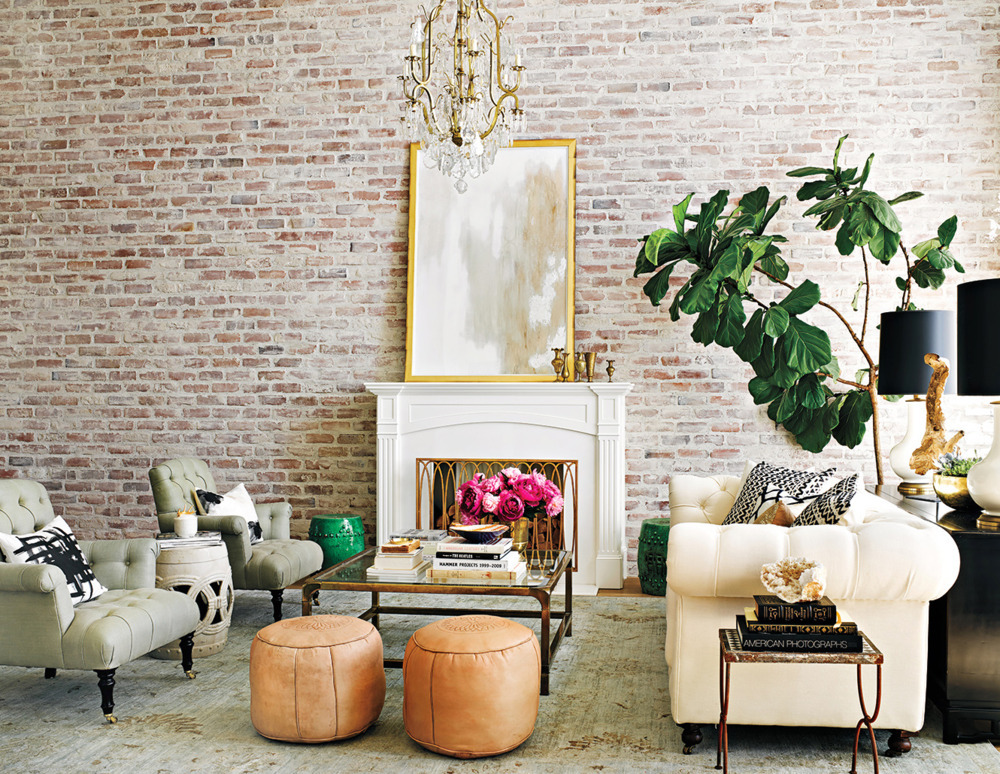
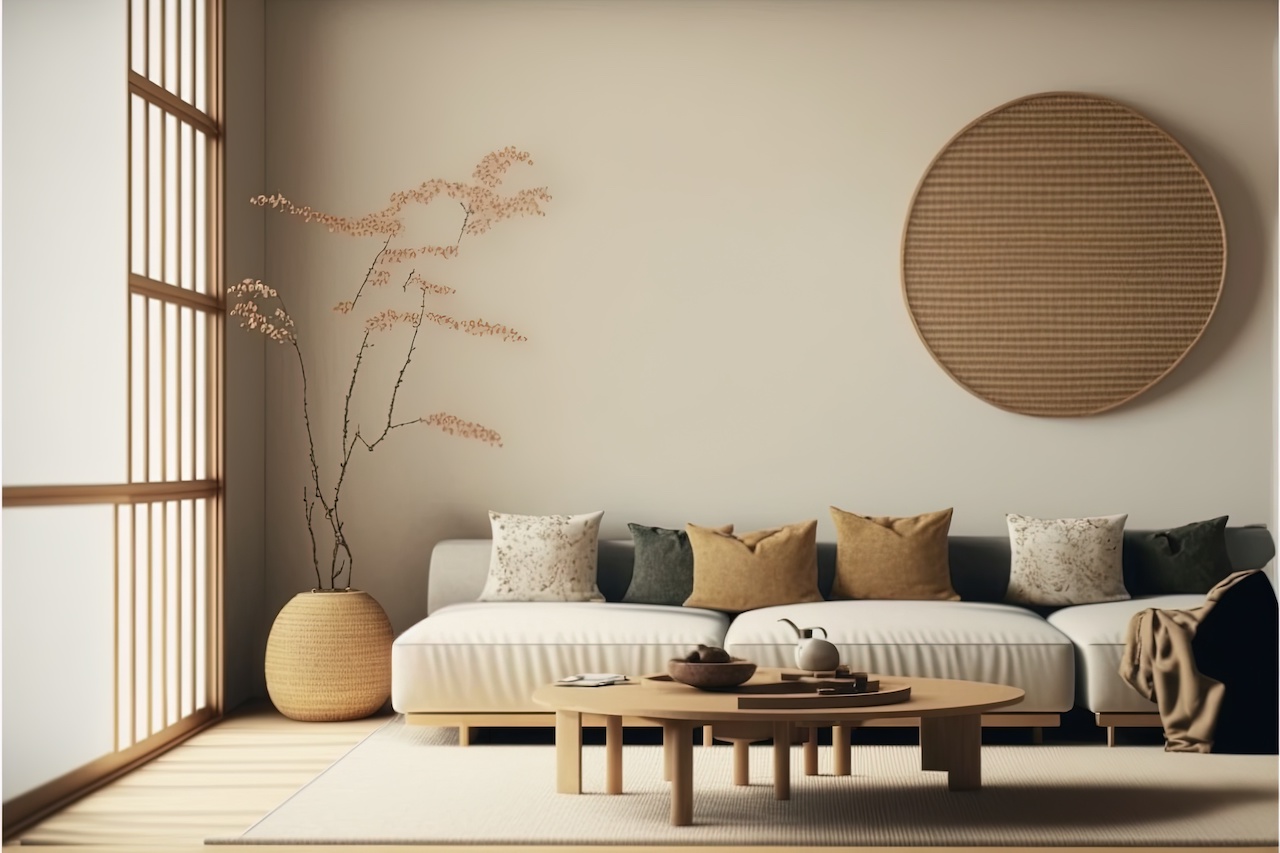
1. Matte Finish (Subtle Elegance) Matte paint, with minimal light reflection (less than 10%), is a favorite among interior designers for several aesthetic reasons:
Hides Imperfections: By absorbing light, it effectively masks small cracks, dents, patches, or the imperfections of older walls. It’s perfect for surfaces that aren’t perfectly smooth.
Focus on Furniture: Its soft, velvety look acts as a neutral canvas, allowing art, furniture, and textiles to take center stage.
Ideal for Ceilings: Matte is the standard choice for ceilings. Its low reflection helps make ceilings feel higher and hides roller marks or lighting shadows.
Key Uses: Bedrooms, living rooms, and low-traffic areas. Note: Low-quality matte paints are less resistant to scrubbing and stains, so they can get dirty more easily.
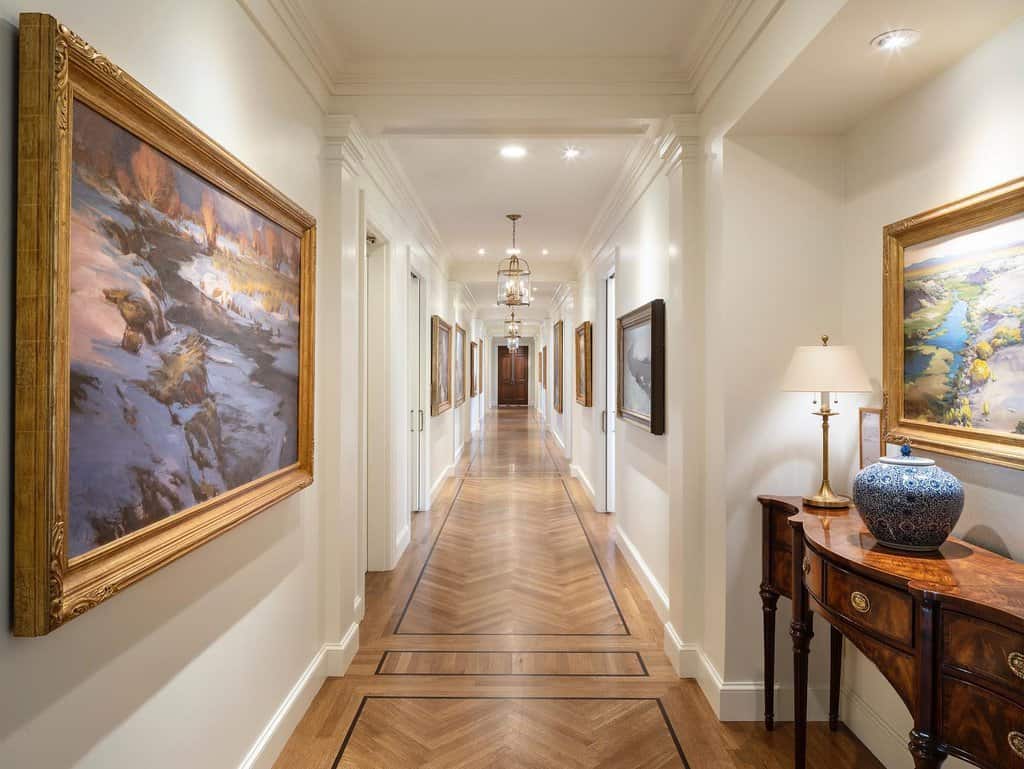
2. Satin Finish (Balance and Functionality) Satin sits in the middle (25–35% light reflection) and is the most versatile choice for modern homes.
Touch of Light: Offers a subtle glow that brightens a room without glare, ideal for hallways or spaces with limited natural light.
Durability and Cleanability: Higher resin content makes it more washable and moisture-resistant than matte, perfect for homes with children, pets, or high-use areas.
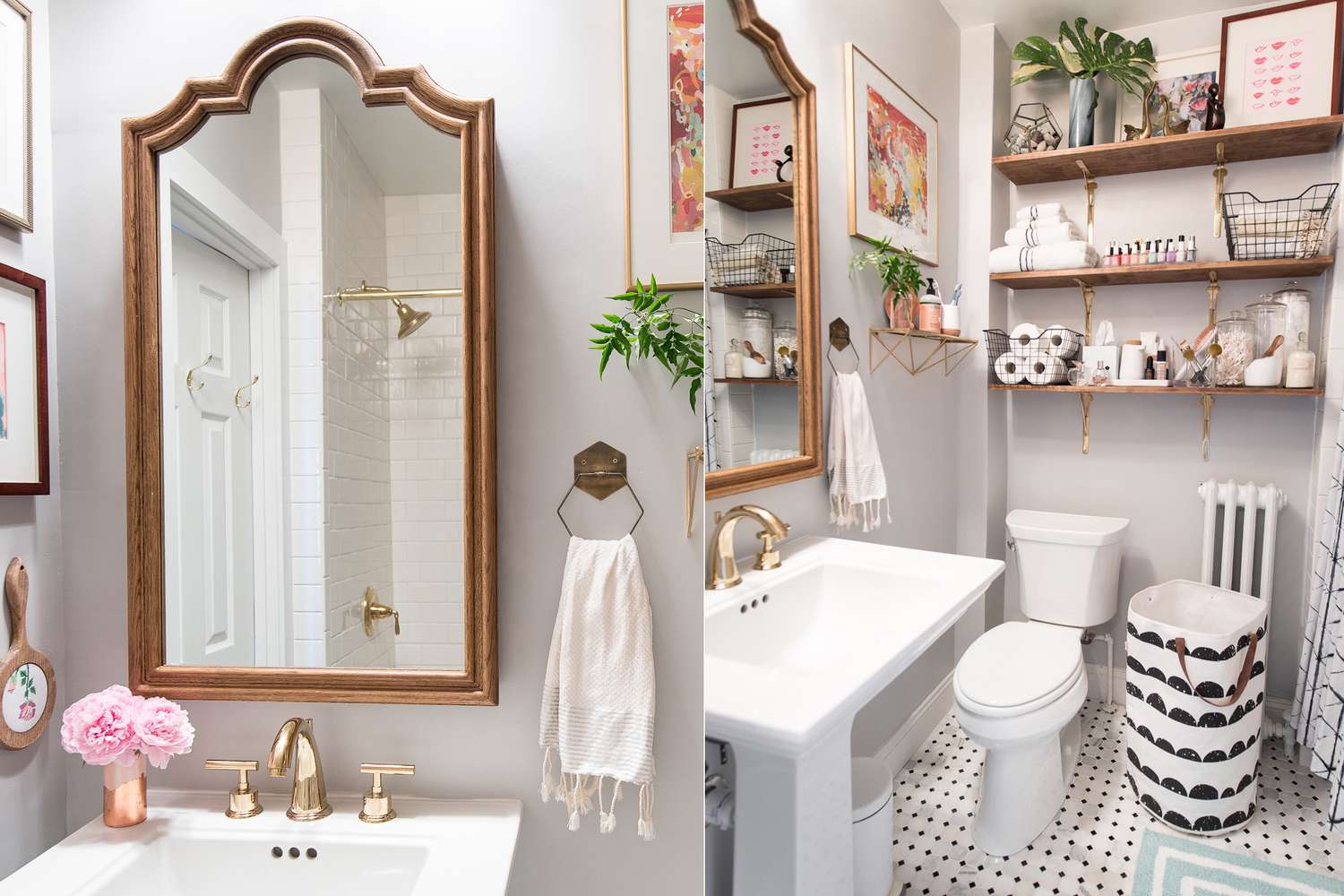
Key Uses: Kitchens, bathrooms, hallways, and kids’ rooms. Satin provides the best compromise between aesthetic appeal and practical durability.
3. Glossy Finish (Impact and Drama) Gloss paint (over 70% reflection) is the most striking and often the boldest choice.
Maximum Luminosity: Reflects nearly all light, making rooms feel larger and brighter.
Accent Element: Best used to highlight architectural details. Painting a feature wall in a bold color with a glossy finish creates a dramatic, deep effect.
Key Uses: Woodwork (doors and frames), moldings, baseboards, or specific spaces like small entryways where a mirror-like effect is desired. Warning: Gloss accentuates every imperfection, so the surface must be perfectly smooth and prepared.
Color and Combination: Decorative Trends with Vinyl
The wide color range of vinyl paint allows you to follow any design trend:
1. Playing with Depth
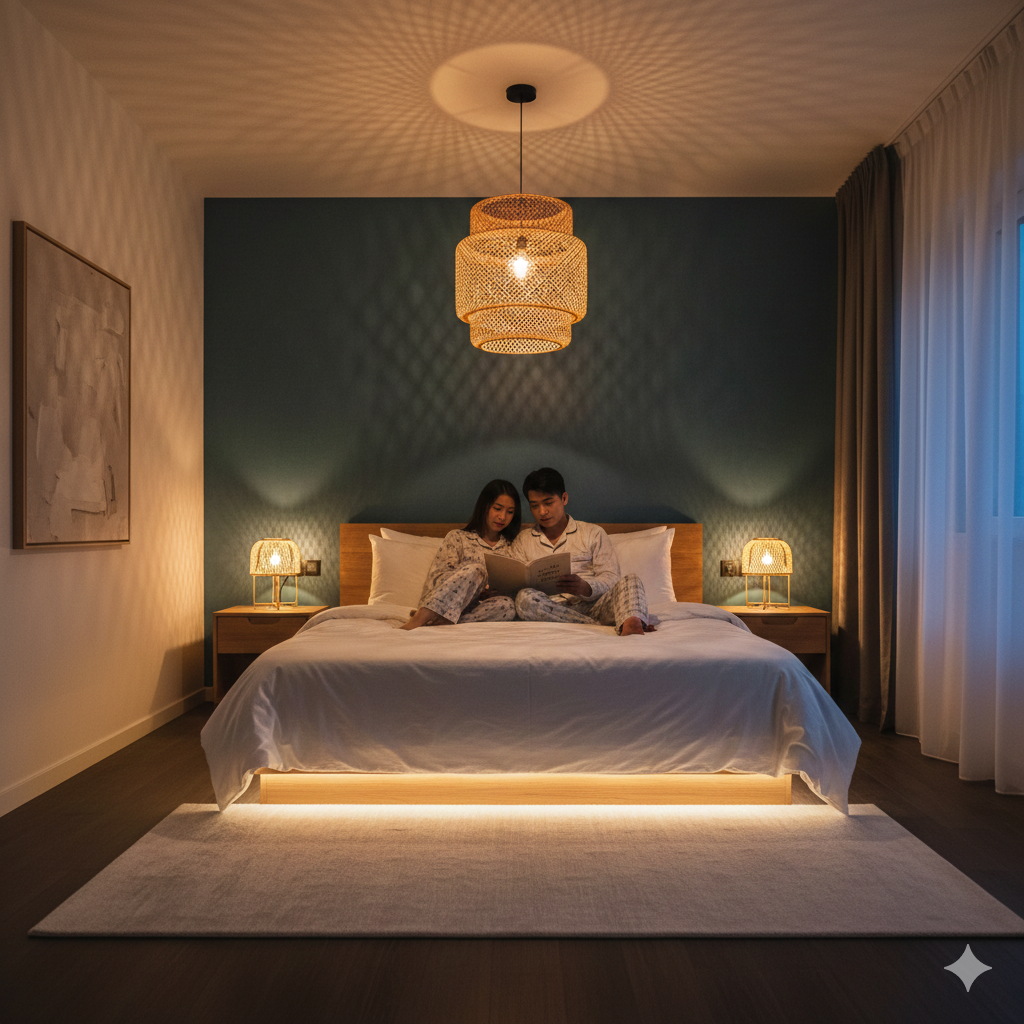
Dark Colors (Sophisticated Trend): Navy blues, forest greens, or anthracite grays. These shades work best in a matte finish to avoid a plastic-like appearance and to create an elegant, enveloping “box” effect in bedrooms or offices.
Monochrome with Texture: Paint baseboards, moldings, and walls in the same color, but use satin on the moldings and matte on the walls. The subtle difference in sheen creates architectural distinction without changing colors.
2. Two-Tone Combination (Color Blocking) Vinyl paint’s ease of application makes it ideal for dividing walls for a color-blocking effect:
Half-and-Half: Paint the lower half of the wall in a bold color (e.g., terracotta) and the upper half in a neutral or white shade. This anchors the decor and visually enlarges the room.
Blended Edges (Washing): Use vinyl paint to create a soft, irregular transition between two colors. Perfect for a more artistic, relaxed look.
3. Washability Factor (High-Traffic Areas) Beyond aesthetics, vinyl paint’s composition makes it perfect for:
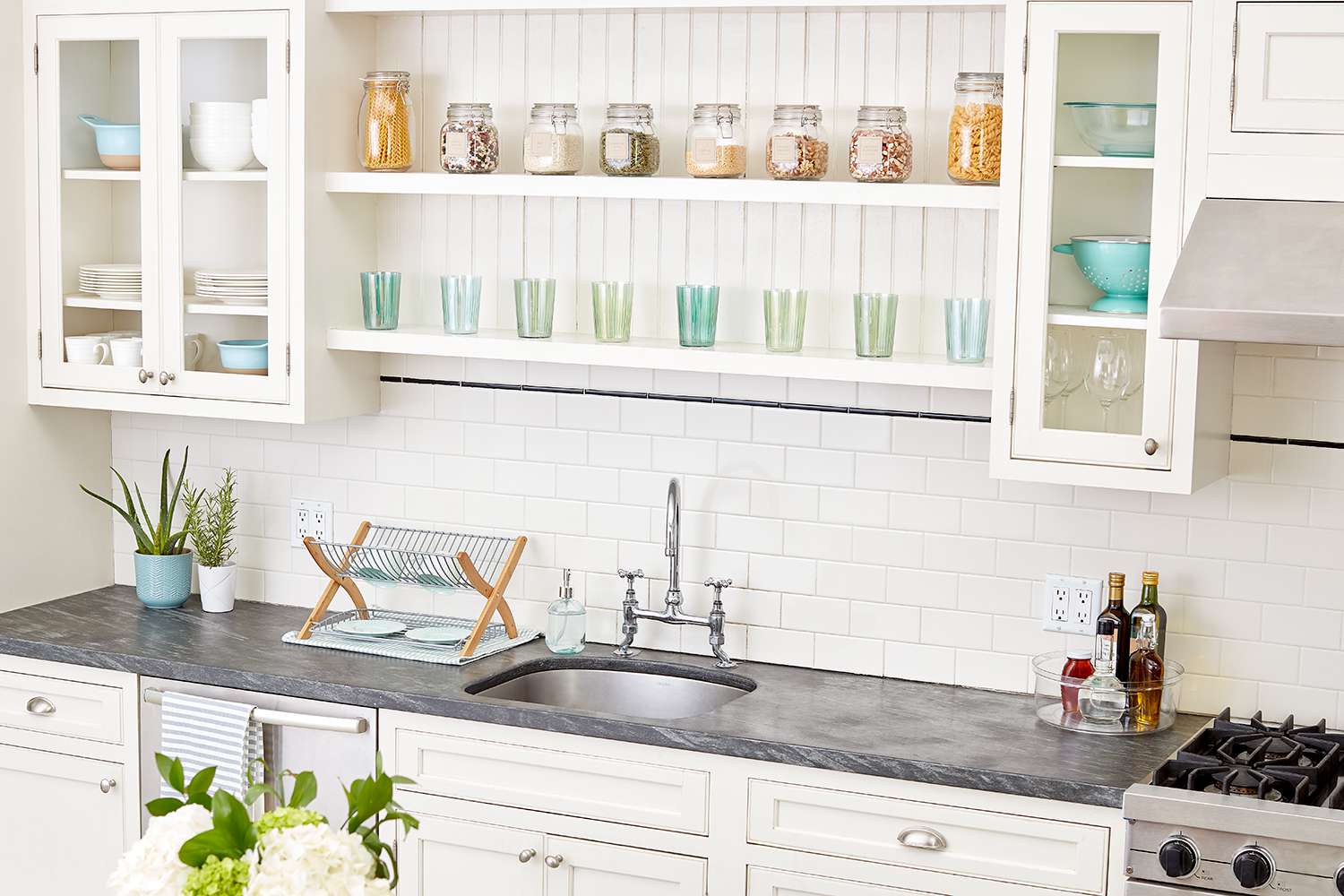
Kitchens and Bathrooms: High washability (especially in satin or gloss) allows easy cleaning of splashes and resists condensation and mold (look for anti-mold specific versions).
Kids’ Rooms: High-quality satin vinyl paint lets you clean fingerprints, pencil marks, and scuffs without damaging the color or surface layer.
Practical Tips for a Professional Finish
Leverage the properties of vinyl paint for a magazine-worthy finish:
Preparation is 90% of the Work: Vinyl paint adheres best to clean, sealed surfaces. On new walls or plaster, always apply a vinyl primer first.
Even, Mark-Free Application: Since vinyl dries quickly, apply the paint evenly, avoiding going over areas that have already started to dry. Use high-quality microfiber rollers to minimize texture.
Don’t Force It: Never apply vinyl paint over surfaces previously painted with oil-based paint (synthetic enamel) without sanding and priming first, as the water-based paint won’t adhere properly.
Vinyl paint is a canvas for self-expression. By understanding the differences between matte, satin, and gloss finishes, you stop painting out of necessity and start designing with light and color.
We use cookies to ensure that we give you the best experience on our website. If you continue to use this site, we will assume that you are happy with this.