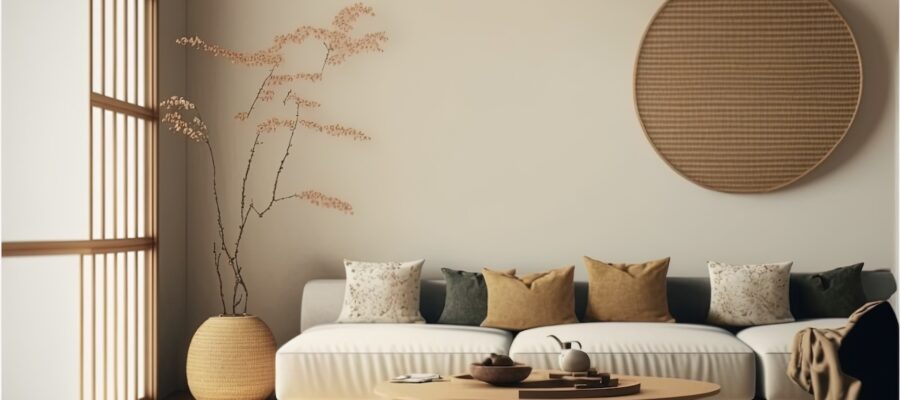
Wabi-Sabi decor has positioned itself as one of the most influential trends of 2025. In a context where stress, visual saturation, and fast consumption dominate our daily lives, this Japanese style becomes a natural response: an invitation to live slower, connect with simplicity, and appreciate the beauty of imperfection.
In this comprehensive guide, written by an editor specializing in SEO and interior design trends, you will discover how to apply Wabi-Sabi step-by-step, what elements are essential for your home, and how to turn any space into an elegant, authentic, and calm retreat.
What is the Wabi-Sabi Style and Why is it Dominating in 2025?
Wabi-Sabi is a Japanese aesthetic philosophy based on the acceptance of imperfection, the passage of time, and the inherent beauty of the natural world. It doesn’t seek luxury but authenticity, noble materials, and the character objects acquire over the years.
In 2025, this trend has gained strength for several reasons:
-
The rise of warm minimalism and the need for homes that convey tranquility.
-
The increased interest in sustainable, artisanal, and durable decor.
-
The desire to move away from «catalog-perfect» interiors and adopt spaces that feel more real and lived-in.
-
The search for environments that balance aesthetics, functionality, and emotional well-being.
The result: a perfect combination of discreet elegance, warmth, and personality.
Key Principles for Decorating with Wabi-Sabi Style in 2025
1. Natural Materials as the Main Focus
Wabi-Sabi celebrates the organic. Opt for materials that age well and that showcase texture, irregularities, and life:
-
Untreated or lightly polished wood
-
Natural stones and polished concrete
-
Handmade ceramic
-
Vegetable fibers like wicker, bamboo, or rattan
-
Linen, cotton, and wool in fabrics
The trick is to value the genuine: the wood grain, the irregularity of a handmade bowl, the marks of time on a restored piece of furniture.
2. Neutral and Earthy Color Palette
The Wabi-Sabi chromatic base favors calming tones that transmit serenity. Among the most used in 2025 are:
-
Beige, sand, and cream
-
Off-white
-
Soft browns
-
Stone gray
-
Muted olive green
-
Pale earth tones
The key is to create depth through layers of neutral tones and natural textures, avoiding excessive contrast.
3. Imperfection as a Decorative Element
This style understands that imperfection is beautiful. Therefore, look for:
-
Ceramics with irregular glazes
-
Rough textures on walls or furniture
-
Dry branches or logs with unique shapes
-
Restored furniture with slight marks
-
Textiles with natural wrinkles
Nothing should look mass-produced or artificially perfect. Authenticity makes the difference.
4. Minimalist but Warm Spaces
Wabi-Sabi is not a cold minimalism: it is a lived-in, functional, and emotional minimalism.
Recommendations to achieve it:
-
Eliminate the unnecessary and prioritize the essential
-
Keep surfaces clutter-free
-
Add few, but meaningful, decorative objects
-
Avoid strict symmetry
-
Add warmth with textiles, rugs, and wood
Every element must have a purpose and a story.
5. Soft and Natural Lighting
Light in Wabi-Sabi is a protagonist: it doesn’t seek to dazzle, but to accompany.
Key tips:
-
Let natural light in without heavy curtains
-
Use lamps with linen or paper shades
-
Use warm light bulbs
-
Create indirect light sources
-
Enhance soft shadows that create atmosphere
The goal is to generate a relaxing, almost meditative environment.
6. Nature Present in Every Corner
The connection with nature is one of the pillars of this style. In 2025, the following stand out:
-
Stylized dry branches
-
Hardy green plants
-
Decorative stones
-
Unstructured wildflowers
-
Organic and asymmetrical floral arrangements
There is no need to fill the house with plants: it is enough to choose a few well and place them in strategic spots.
7. Artisanal Decor and Unique Pieces
Wabi-Sabi values objects that tell a story:
-
Handmade clay vases
-
Irregular vessels
-
Restored furniture
-
Traditional tapestries or fabrics
-
Minimalist art on paper or canvas
-
Decor from local ceramists
It is not about filling the space, but about placing pieces with soul.
Step-by-Step Guide to Decorating Each Room in Wabi-Sabi Style
1. Wabi-Sabi Living Room
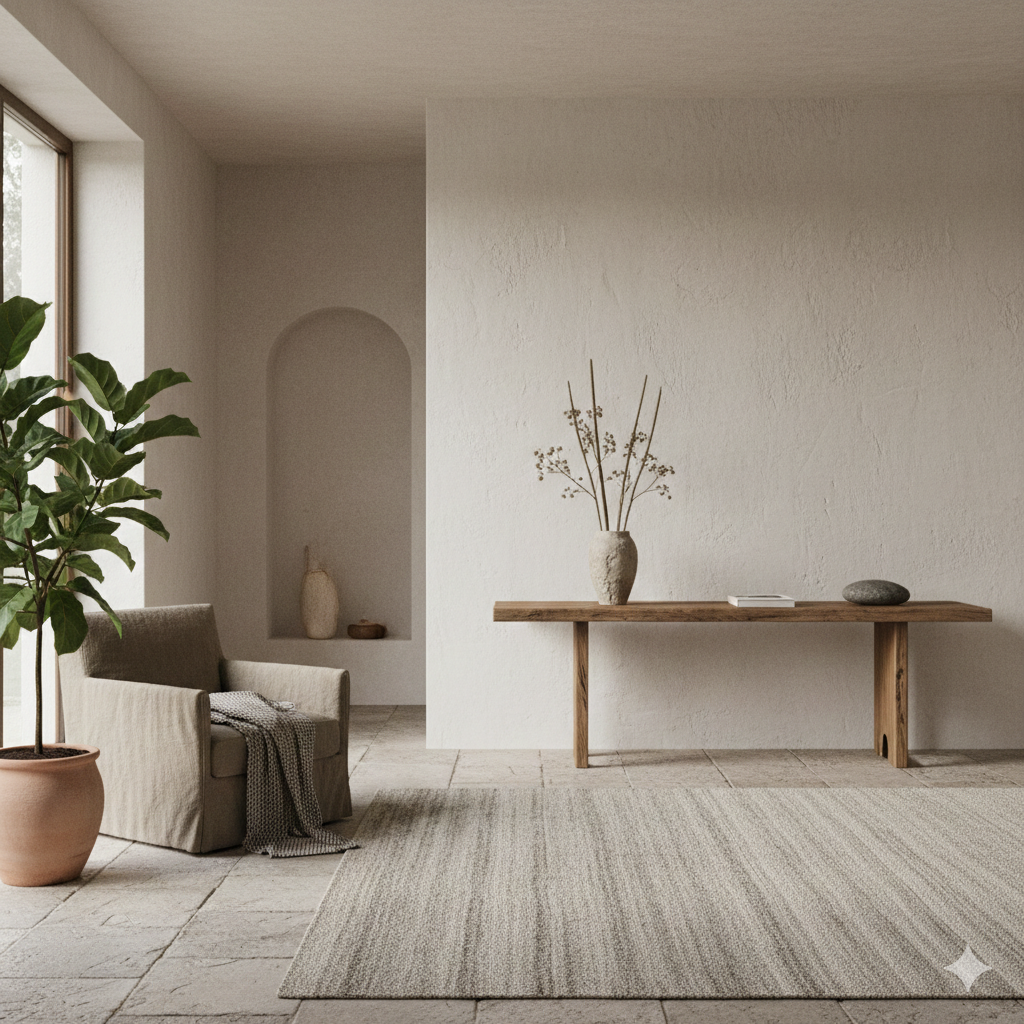
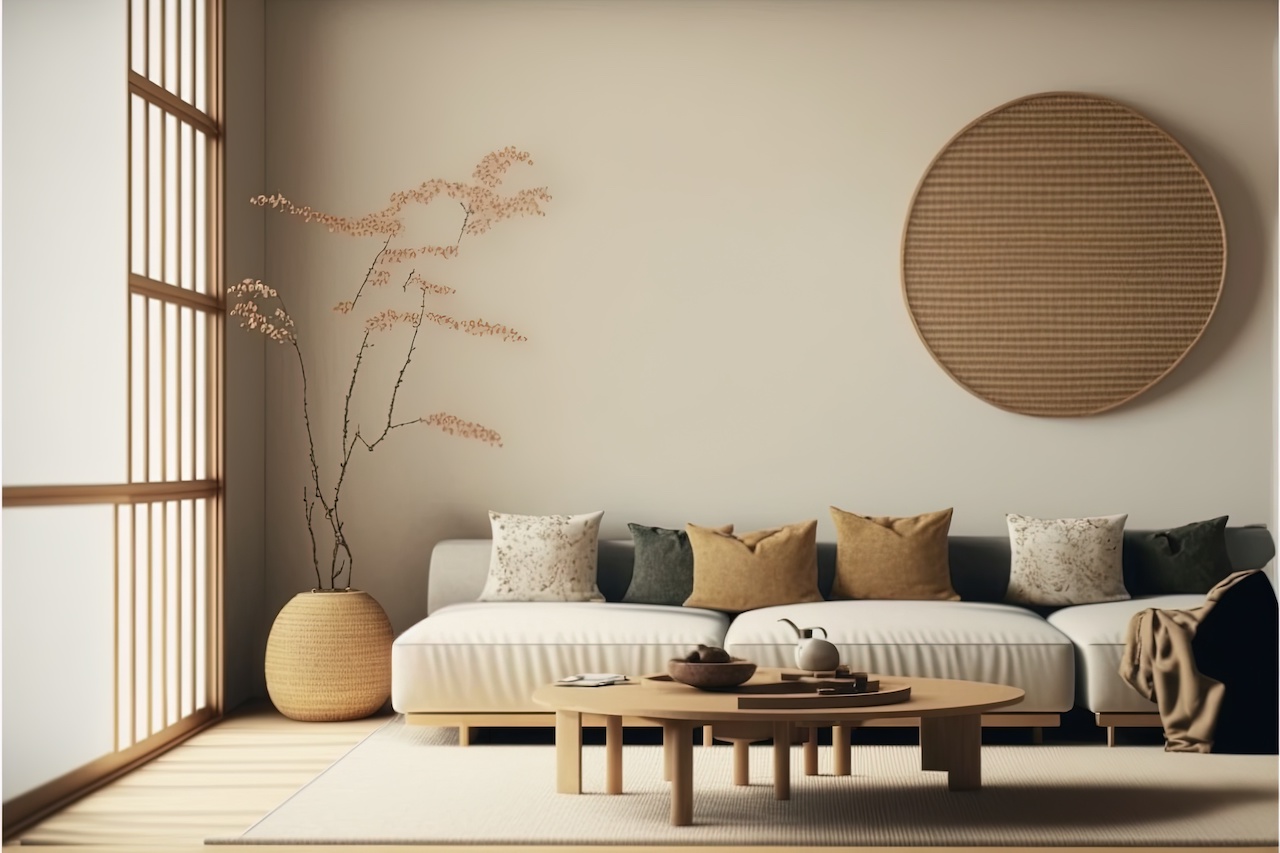
The living room is the heart of the home, a place where the Wabi-Sabi style shines completely.
Include:
-
Sofa in beige or very light gray linen
-
Natural wood coffee table
-
Hand-woven or fiber rug
-
Artisan ceramic vase
-
Warm light and low lamps
-
Shelving with few, but intentionally selected, objects
-
Dry branches or simple, green plants
Opt for simple-lined furniture and add texture through textiles and ceramics.
2. Wabi-Sabi Bedroom
It should feel intimate, soft, and highly relaxing.
Essential elements:
-
Bedding in linen or natural cotton, with light wrinkles
-
Neutral palette in sand or off-white
-
Natural wood headboard
-
Minimalist nightstands
-
Jute or wool rug
-
Indirect lighting with paper shades
Small details like a vase with a single branch elevate the aesthetic.
3. Wabi-Sabi Kitchen
The kitchen requires functional simplicity and honest materials.
Include:
-
Stone or polished concrete countertops
-
Open shelves with visible artisan tableware
-
Natural wood in cabinets or cutting boards
-
Raw textiles like tea towels or placemats
-
Irregular ceramic jars, bowls, and plates
Avoid glossy or highly polished surfaces: seek matte finishes and living textures.
4. Wabi-Sabi Bathroom
Ideal for creating a Japanese spa-like atmosphere.
Recommended elements:
-
Polished concrete or stone on walls
-
Natural fiber baskets
-
Thick towels in neutral tones
-
Moisture-resistant plants
-
Mirrors without perfect frames or with irregular edges
The idea is to transform the bathroom into a haven of calm.
Common Mistakes When Applying the Wabi-Sabi Style (and How to Avoid Them)
❌ 1. Confusing imperfection with mess Wabi-Sabi is not chaos: it is simple, natural order.
❌ 2. Over-decorating The philosophy is clear: less is more (but with intention).
❌ 3. Using overly dark colors You can apply them in details, but the foundation must be luminous and neutral.
❌ 4. Buying «artificially imperfect» objects Prioritize the authentic, the artisanal, and the natural.
❌ 5. Mixing too many styles Wabi-Sabi blends well with Japandi and warm minimalism. Avoid mixing it with industrial or maximalism.
Benefits of Decorating Your Home with Wabi-Sabi Style
Applying this aesthetic not only beautifies your house but also transforms your daily life:
-
Reduces stress and generates calm environments
-
Fosters order and functionality
-
Promotes more conscious and sustainable consumption
-
Brings authenticity and character to the house
-
Adapts to any home size
-
Gives prominence to the artisanal and timeless
-
Avoids fleeting trends: it is a lasting style
In 2025, when the pace of life is faster than ever, Wabi-Sabi becomes a necessary, not just aesthetic, trend.
Conclusion: Wabi-Sabi is the Definitive Style for 2025
Wabi-Sabi decor in 2025 represents much more than a passing fashion. It is a way to reconnect with the essential, to create spaces that tell stories, and that convey serenity while remaining elegant.
This style transforms any home into a warm, authentic, and visually harmonious retreat. Through natural materials, neutral palettes, soft light, and artisanal pieces, you can design balanced environments that invite you to enjoy the present.
If you want your house to be a mirror of calm, imperfect beauty, and style with soul, Wabi-Sabi is the ideal trend for you this year.
Latest Posts Published
✨ How to Decorate a Windowless Room: 15 Surefire Strategies for Creating a Bright and Cozy Oasis
How to Decorate a Narrow Hallway Without Overwhelming the Space: Complete Guide to Expanding and Modernizing It (2025)
How to Decorate a Small Bathroom with Functional Ideas: The Definitive Guide 2026
How to Organize Your Kitchen to Make It Look Neat and Modern (Step-by-Step Guide)
Wabi-Sabi Decor 2025: How to Create Imperfect Yet Elegant Spaces
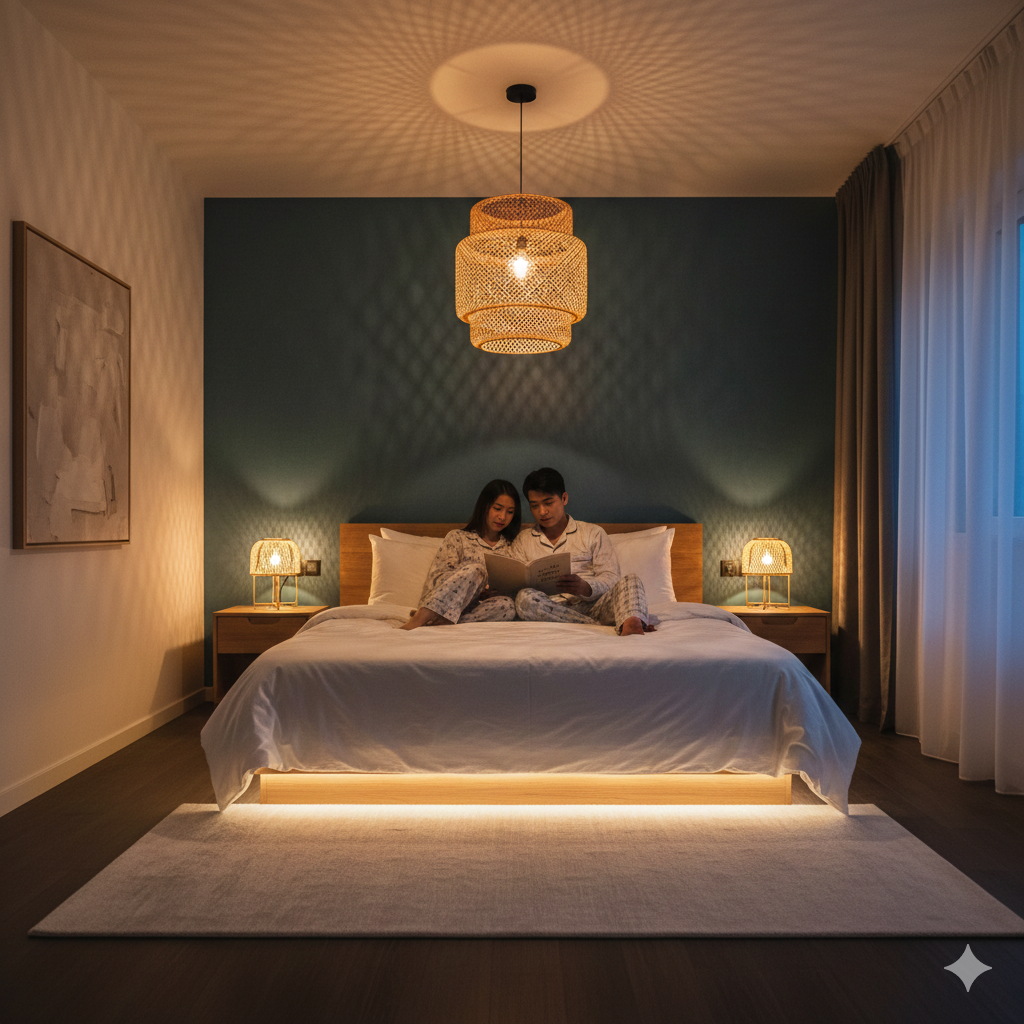
How to Choose the Perfect Lighting for Every Room
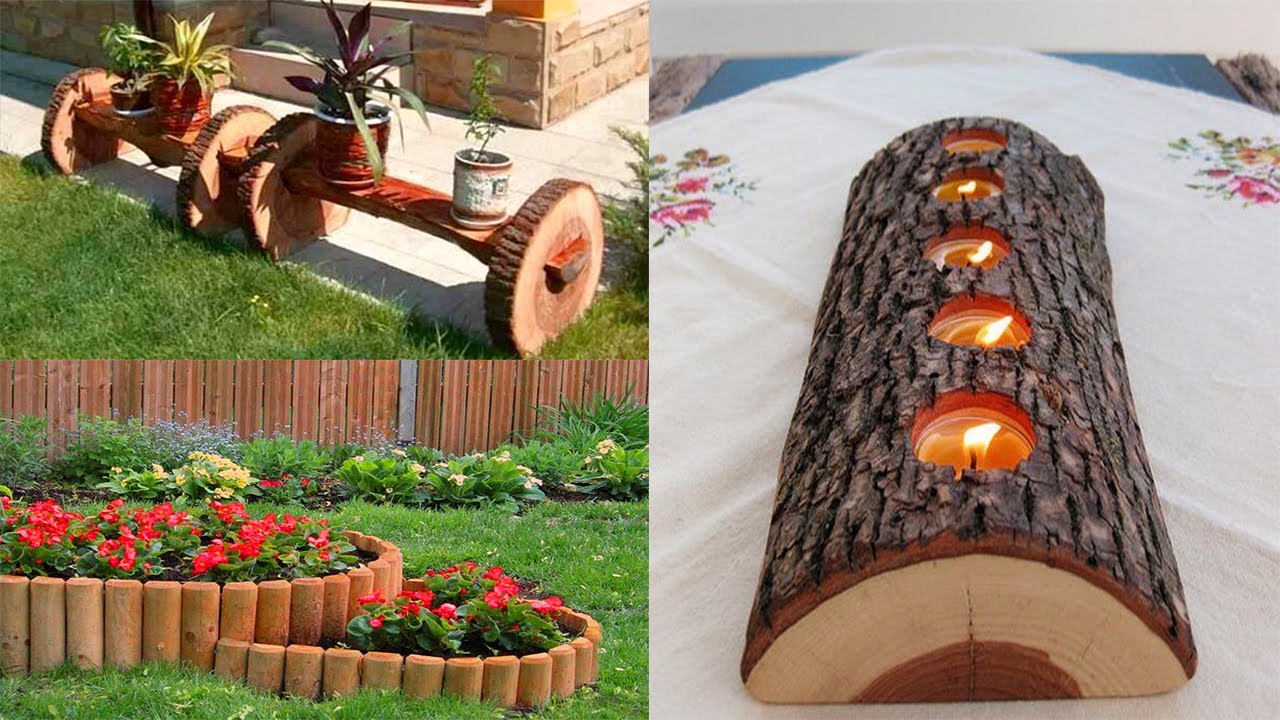
DIY Decorating with Natural Wood: 15 Rustic and Modern Ideas
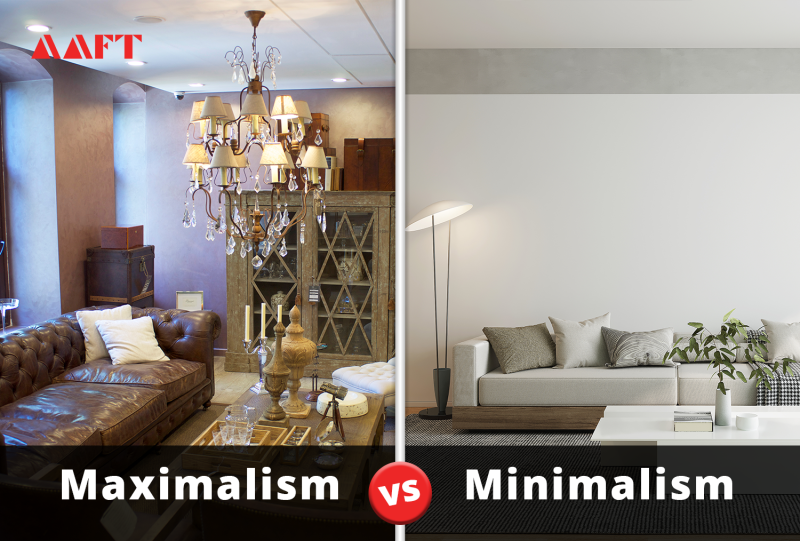
How to Combine Maximalism and Minimalism in Interior Design (2025 Trends)
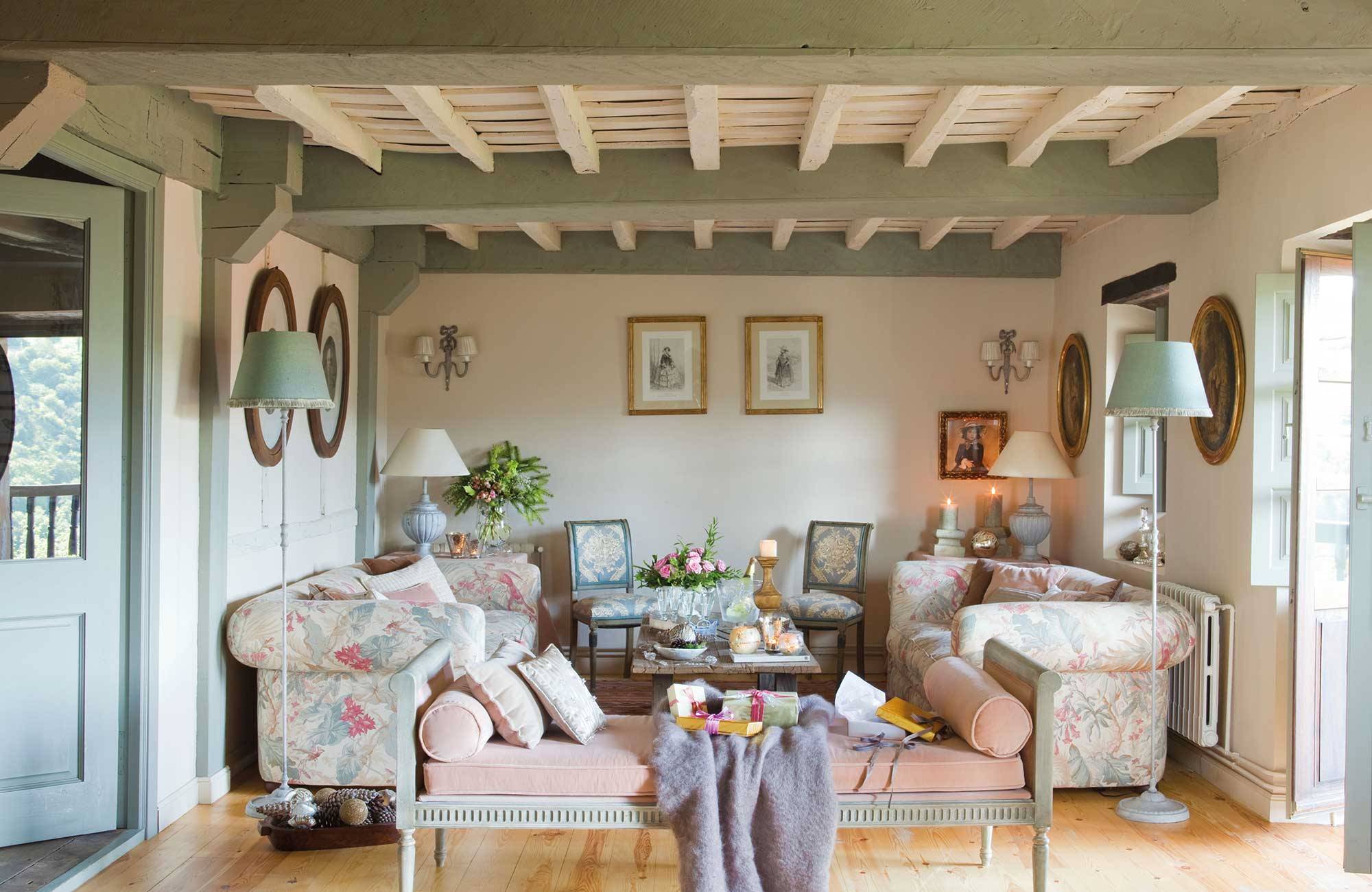
Sustainable Vintage Decor: Guide to a Trendy Retro-Style Home